What is weight loss?

Achieving weight loss is a primary objective for many individuals across the US who aim to enhance their overall health and well-being. This process entails deliberately reducing excess body fat by adopting a thoughtful blend of nutritional modifications, increased exercise, and significant lifestyle changes. More than just appearance, maintaining a healthy weight plays a crucial role in preventing and managing various obesity-related health issues, leading to a better quality of life.

These treatments have been developed to aid in your efforts to improve your weight management for the long term. With GLP-1's trailblazing the market into the future. With proven results worldwide, they are a viable option for anyone seeking to improve their livelihood.

Take your first steps with Médetone LLC today.

Test your elibility

Browse the collection

Explore our range of weight loss solutions.
4.2
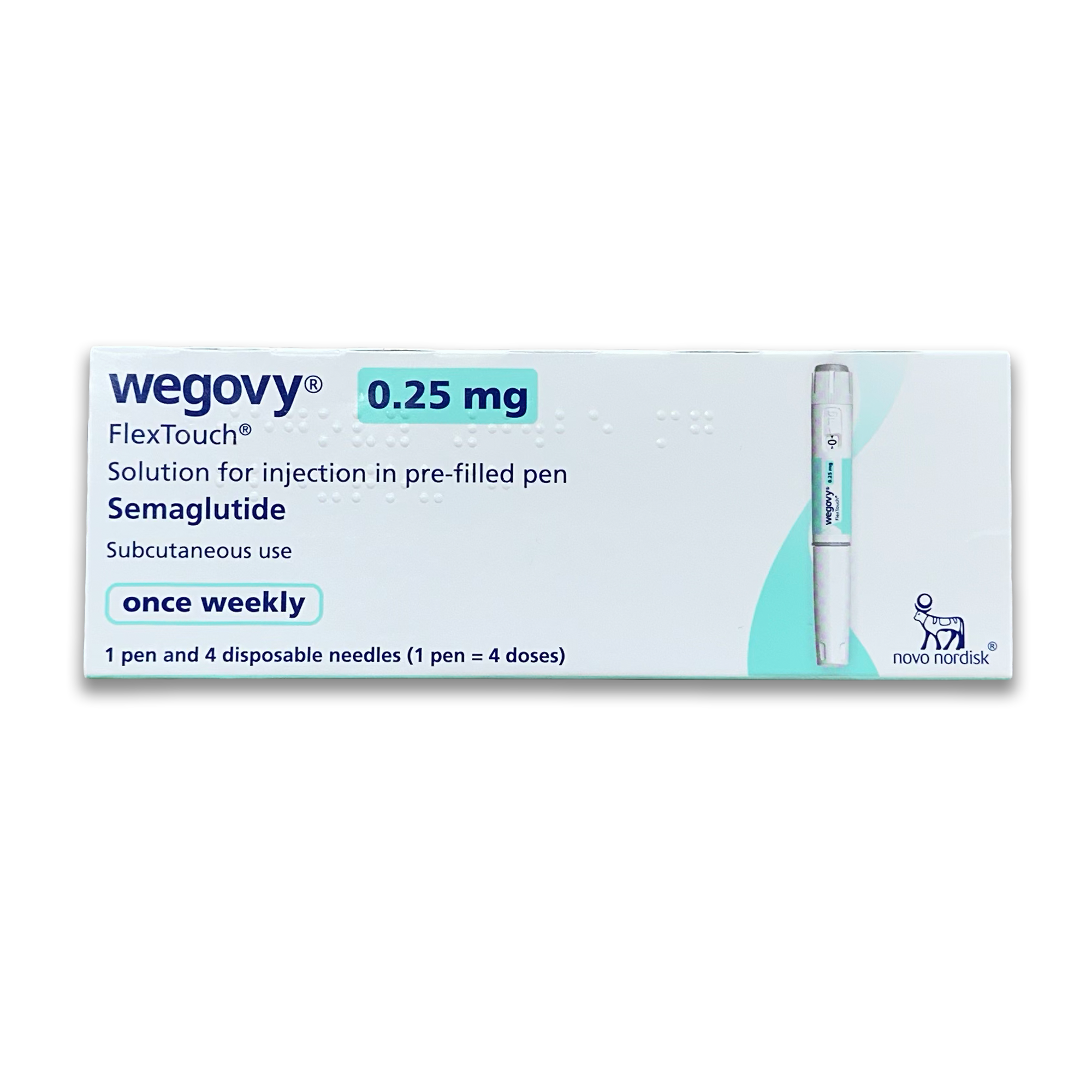
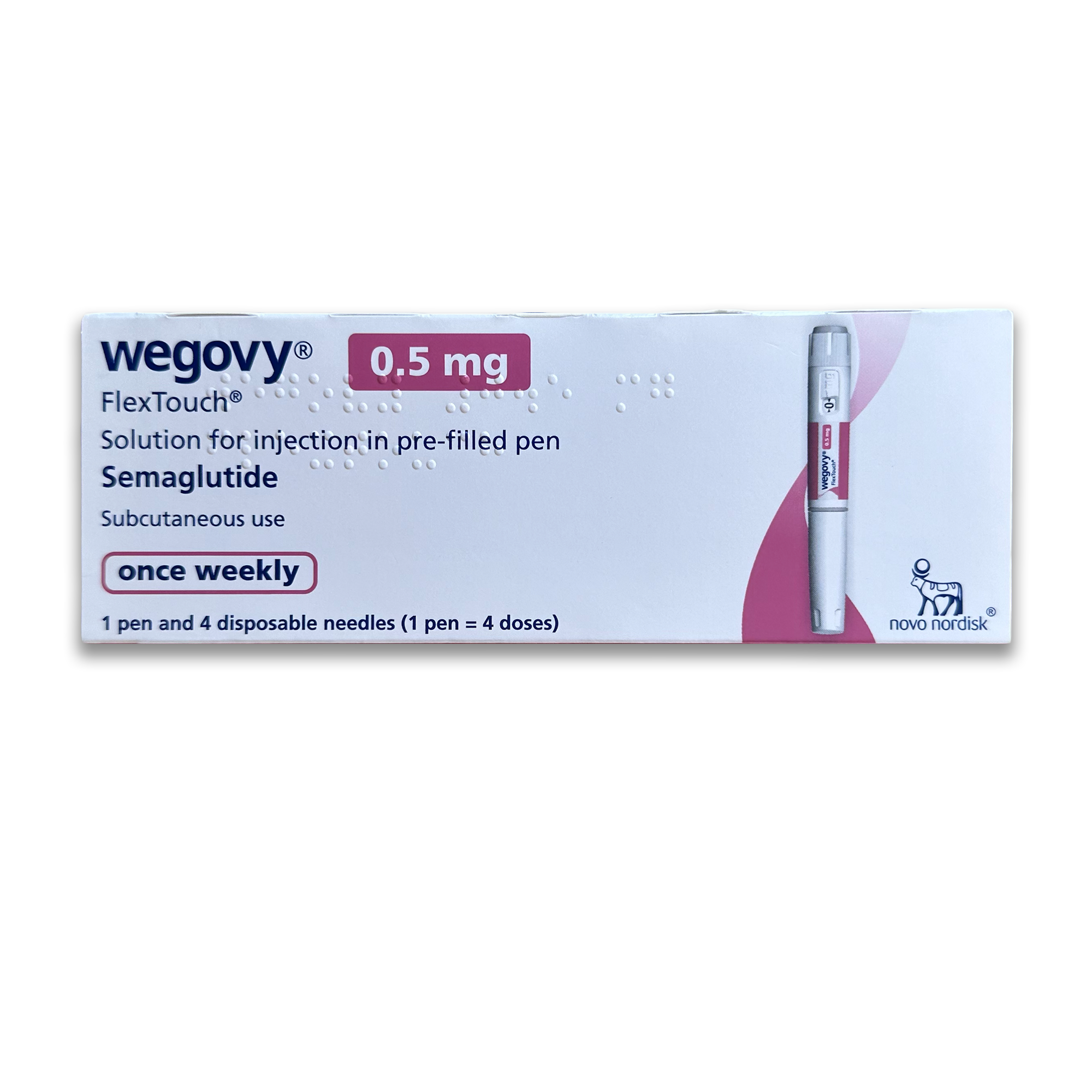
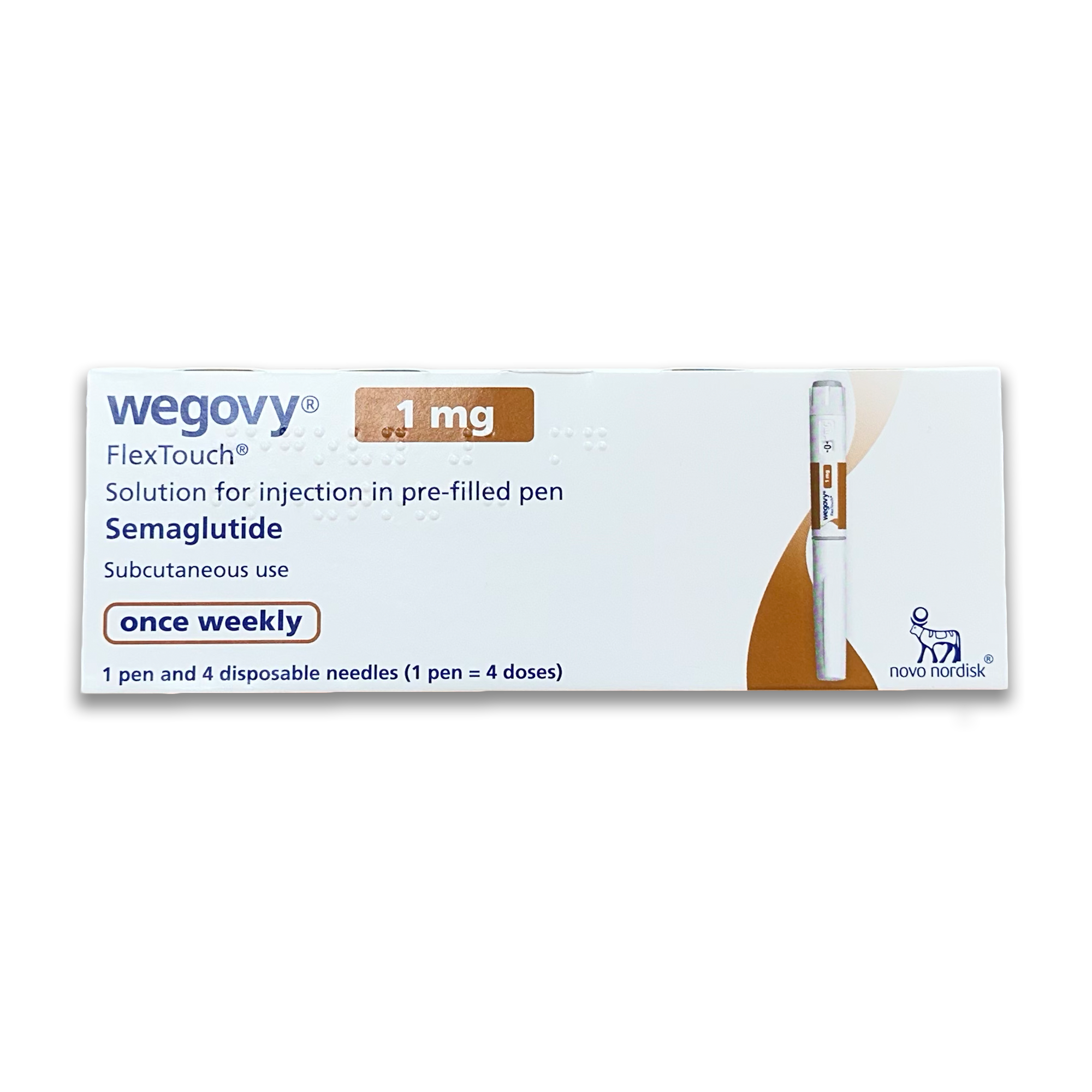
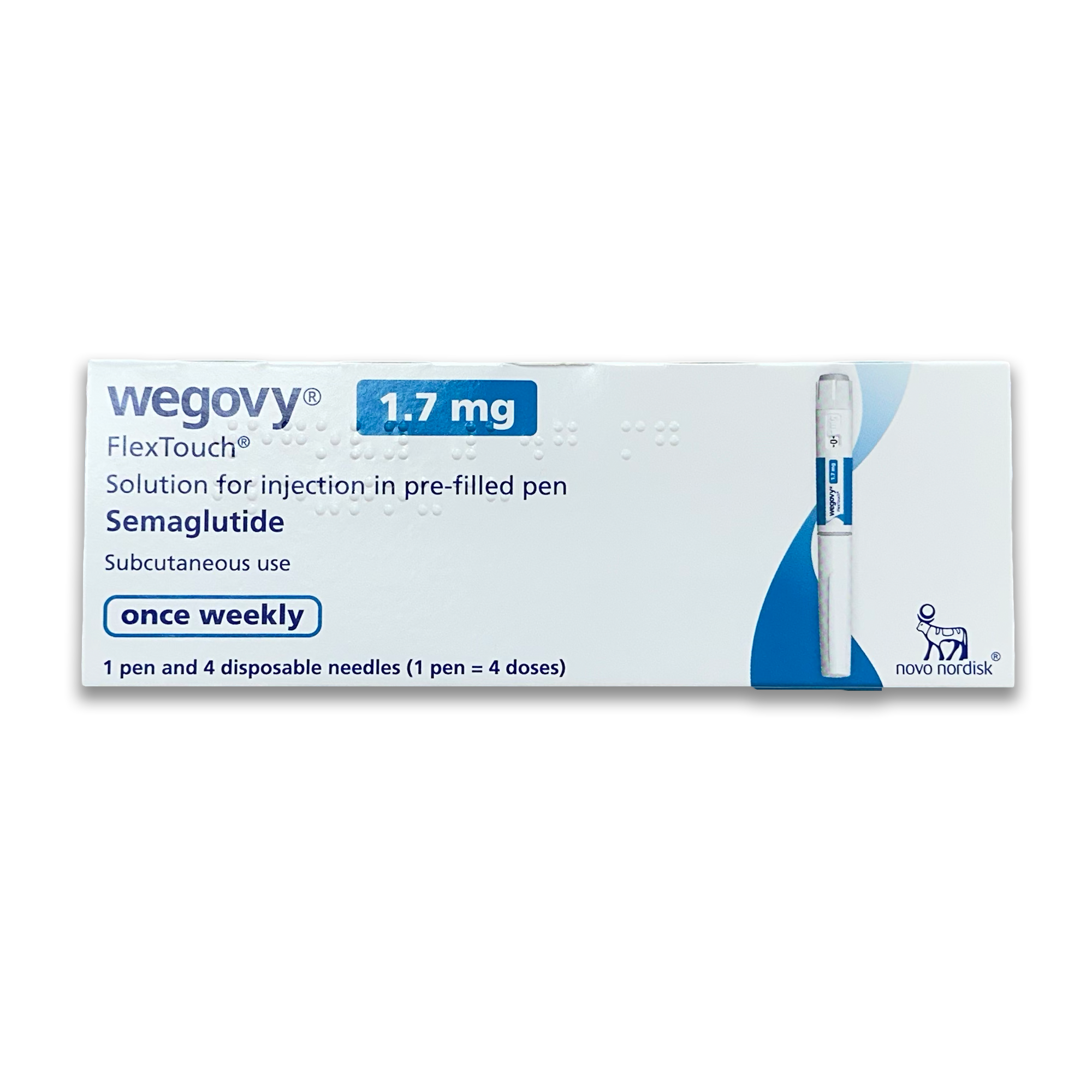
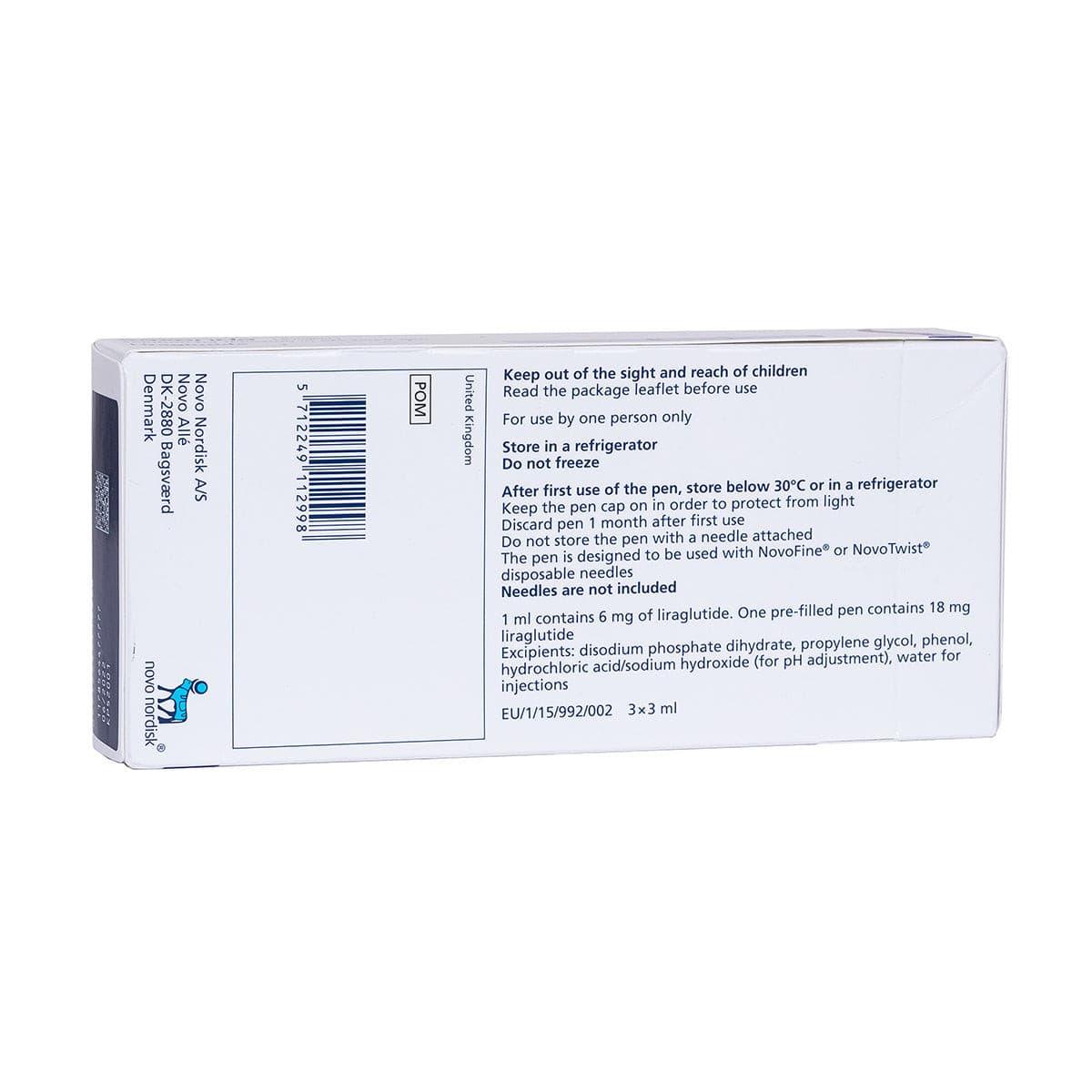
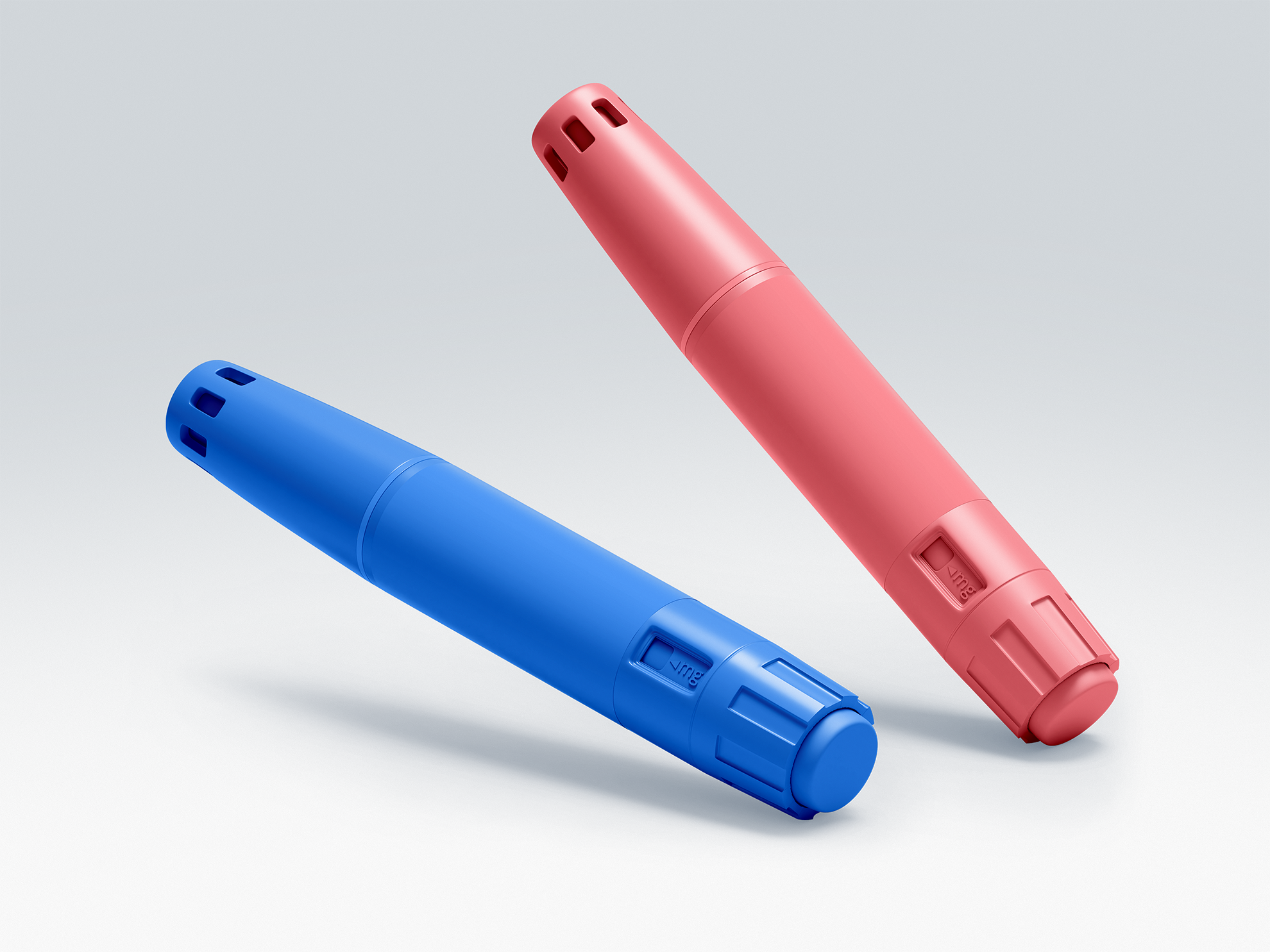
Wegovy (Semaglutide) Injections
5.0
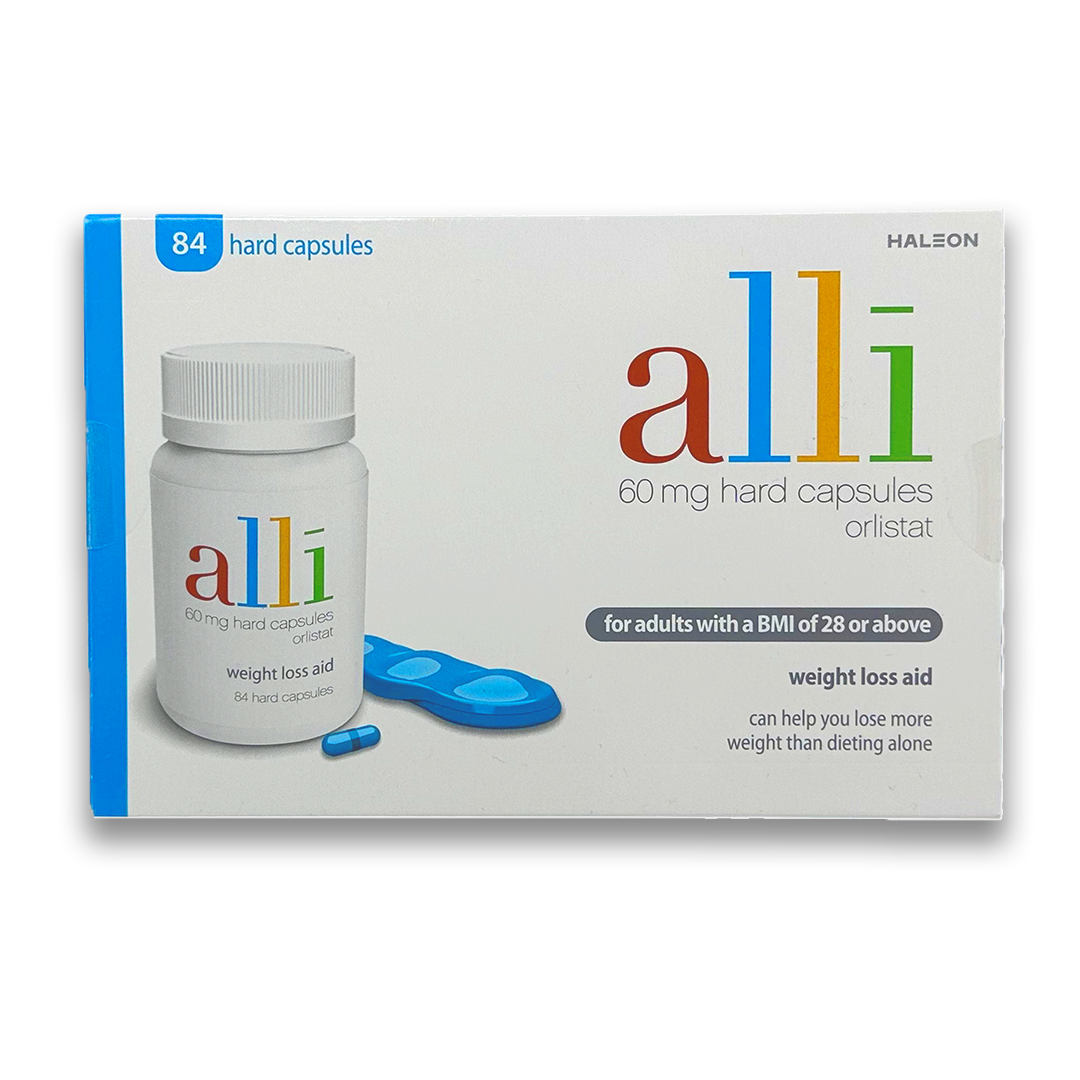
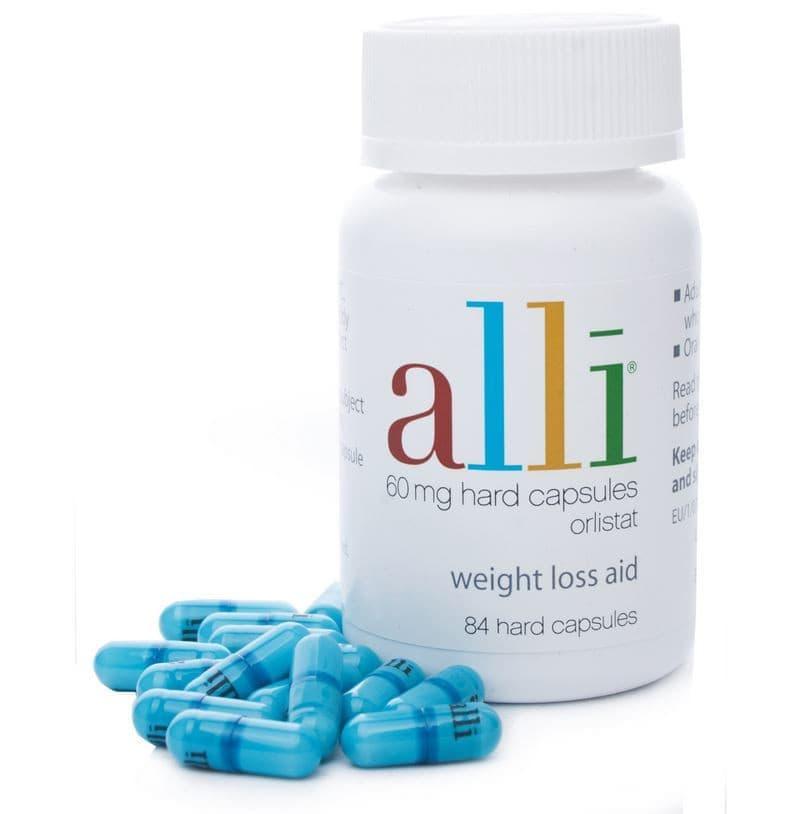
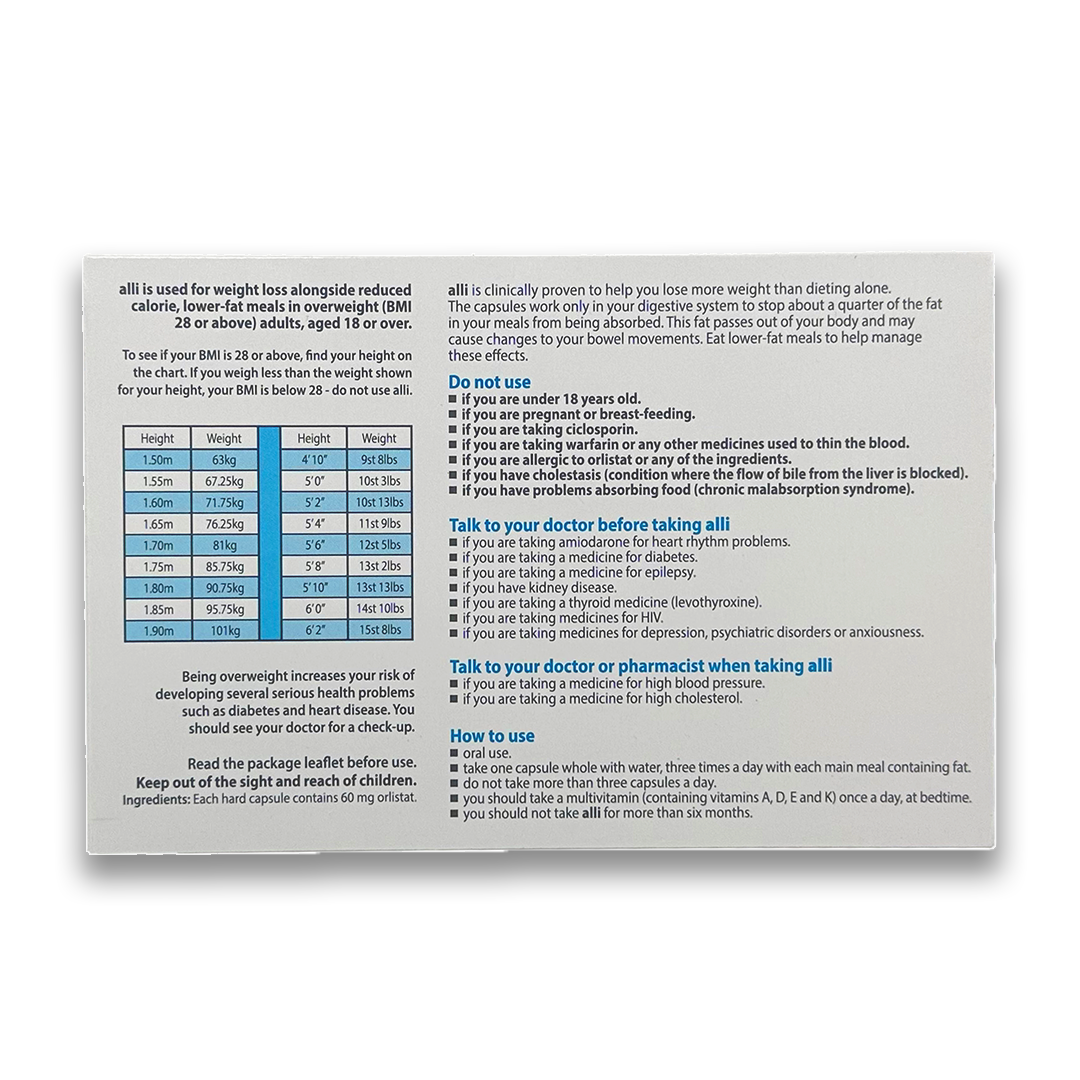
Alli 60mg Capsules
Vendor:Haleon
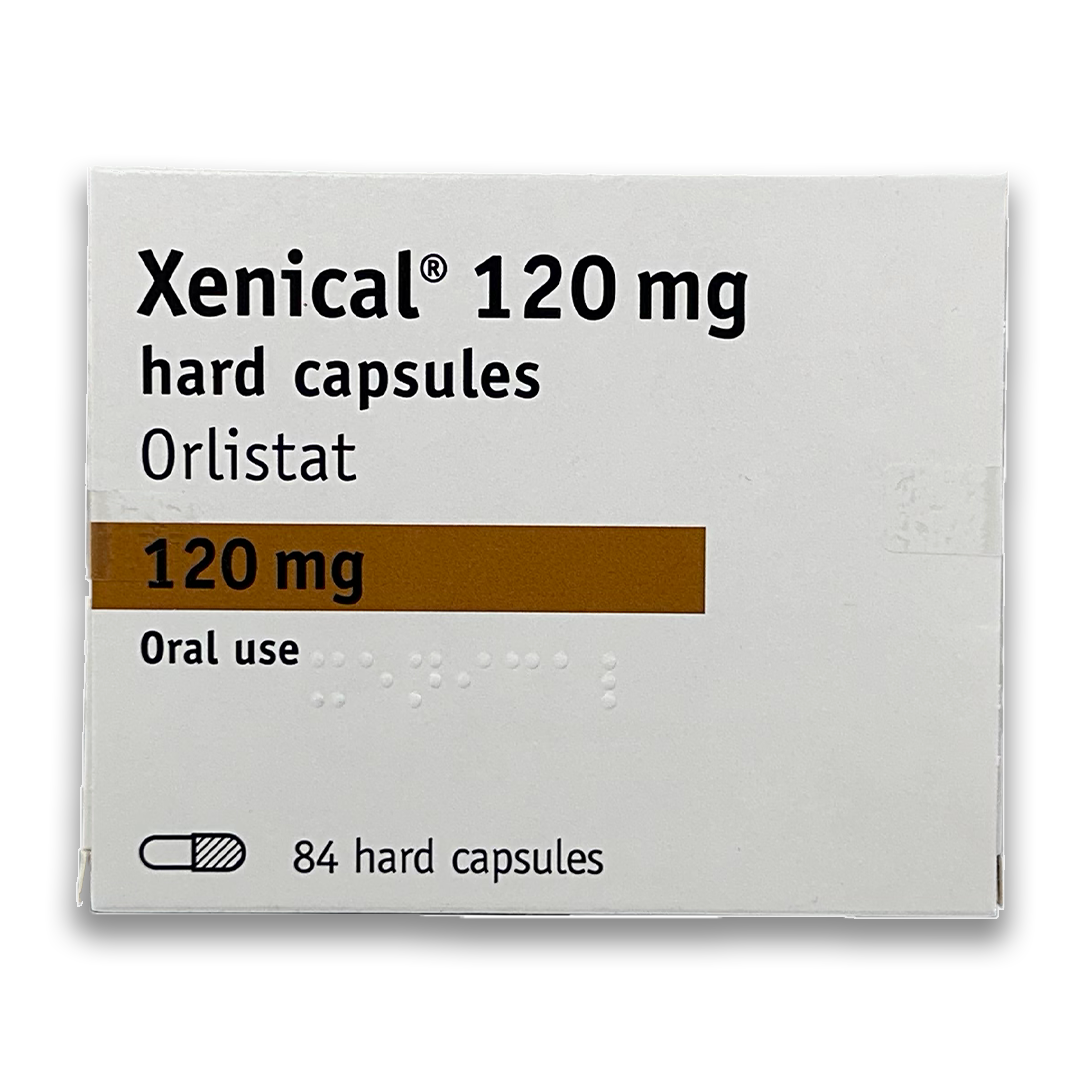
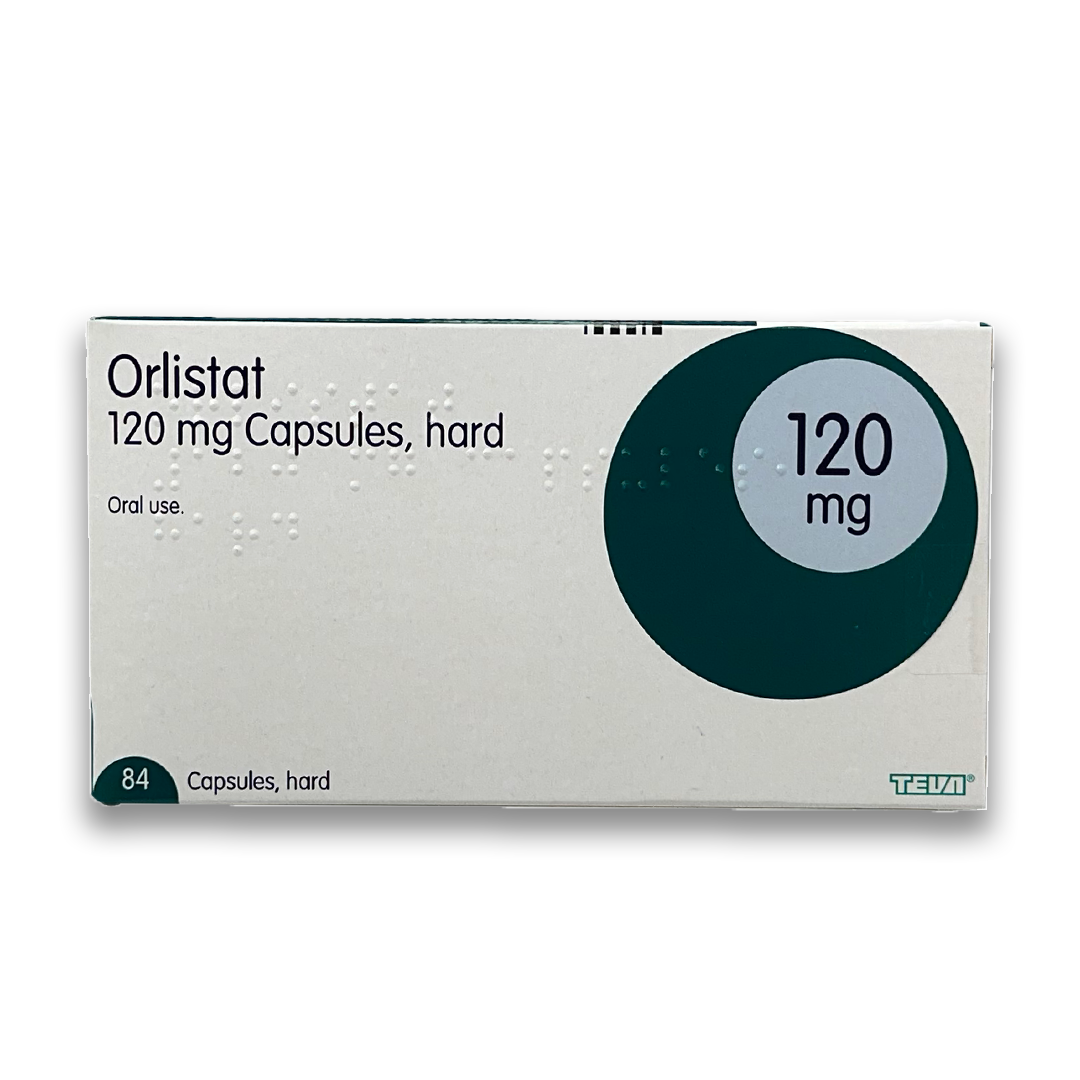
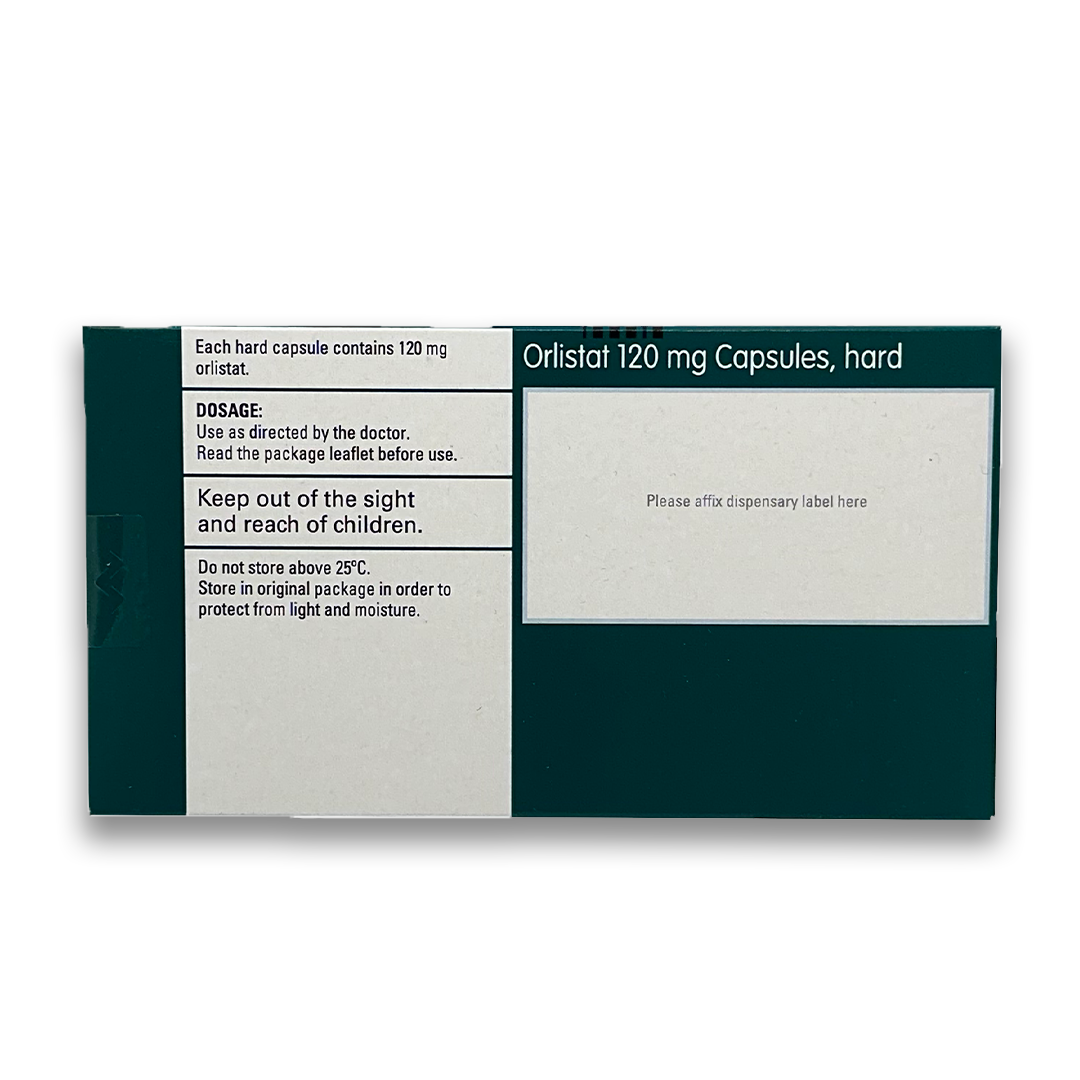
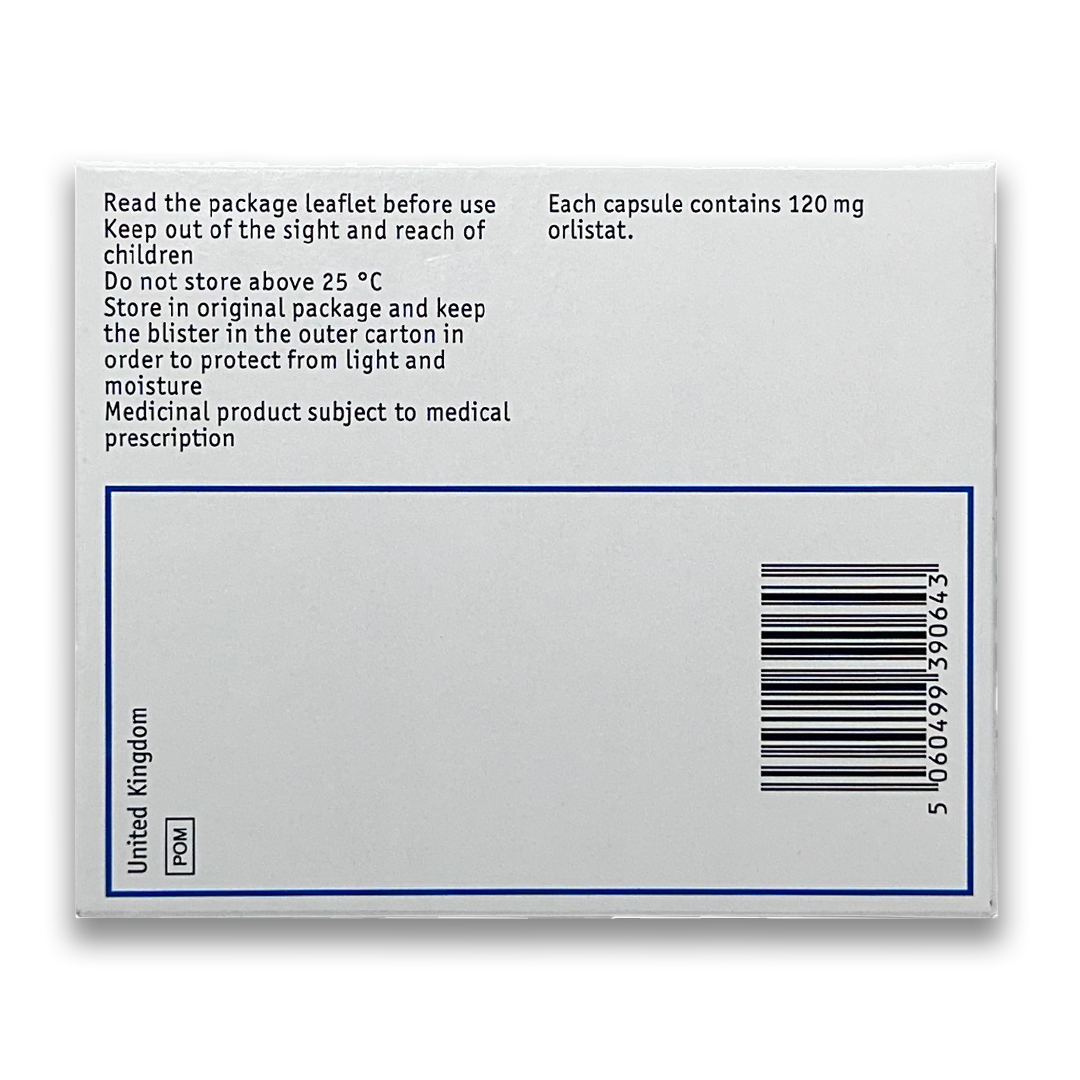
Orlistat 120mg Capsules
Vendor:TEVA
Xenical
Vendor:NEON

Xenical

£39.99
5.0
Saxenda - Rightangled
Vendor:Novo Nordisk

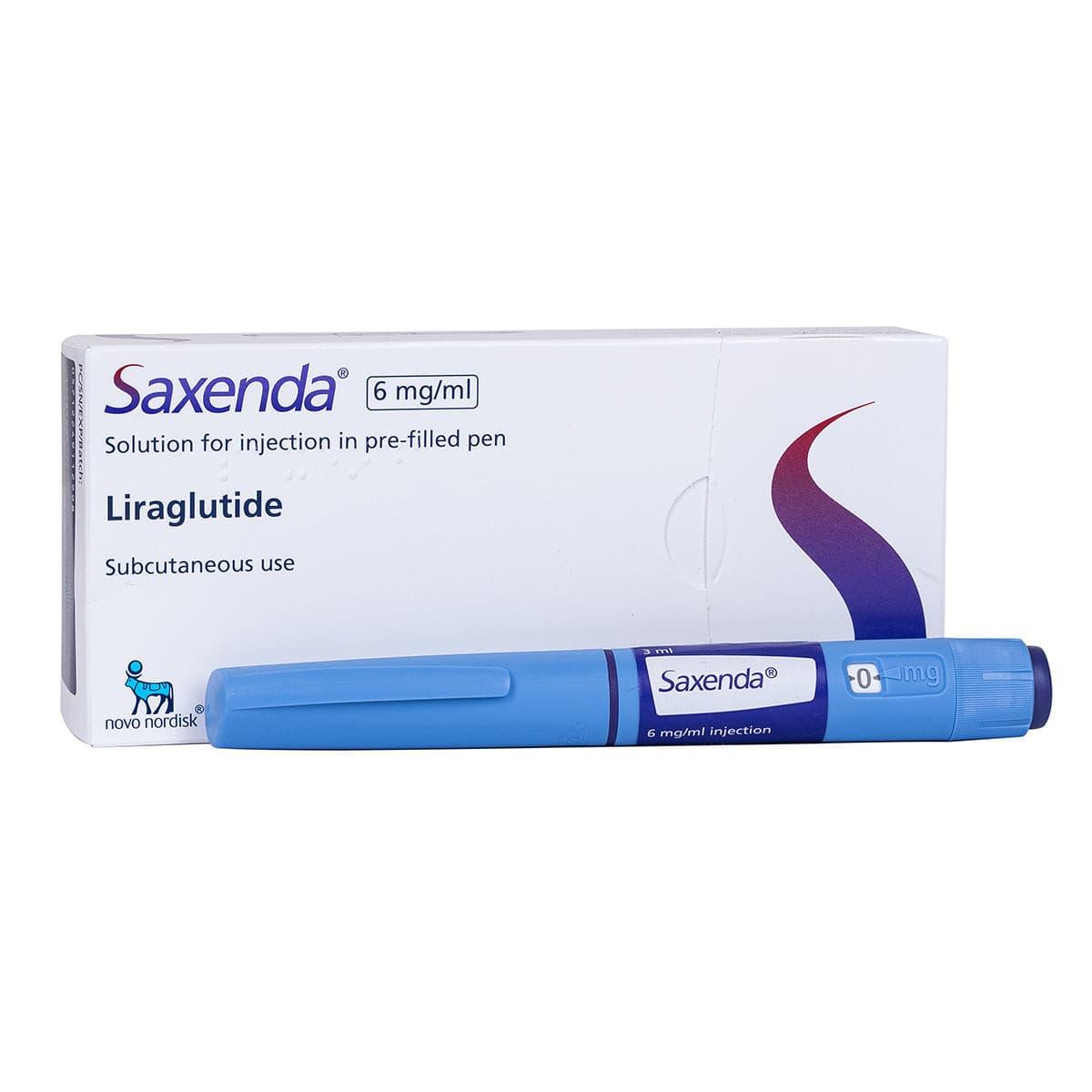
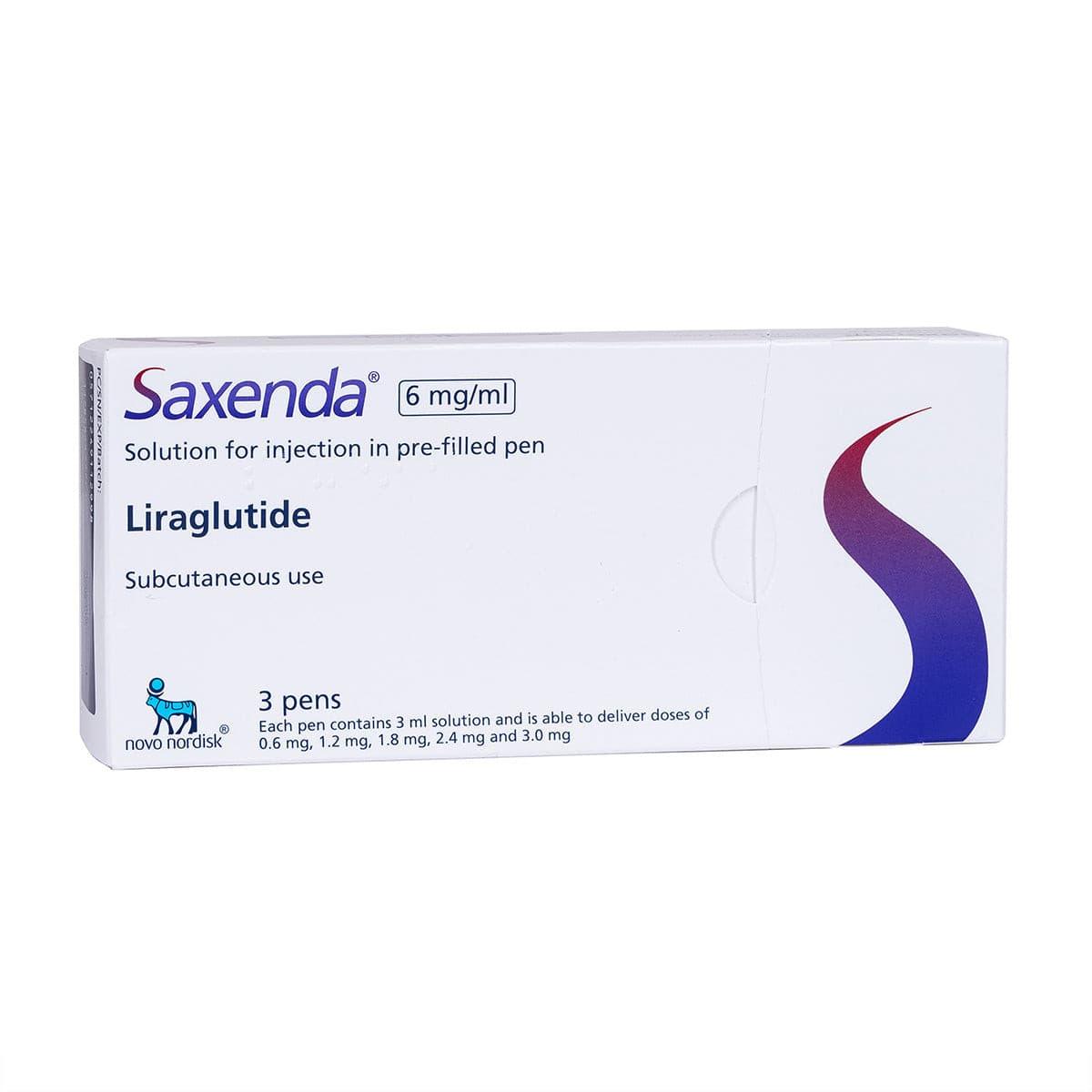
Saxenda

£79.99

Start your Consultation

Start your consultation on the condition page to check your eligibility.

Test your eligibility

The Consultation Process

How does the online consultation work?

To begin, you’ll fill out a secure online questionnaire designed to gather important details about your health and weight loss objectives. This information enables our licensed healthcare providers to evaluate your suitability for treatment. After submitting the questionnaire, your answers will be thoroughly reviewed, and if necessary, a clinician may reach out to you for further clarification. Once approved, a prescription will be issued, and your treatment will be dispatched from our pharmacy located on the East Coast.

Begin your Consultation

Will I need to schedule an appointment, or will someone contact me directly?

No appointment is required. The consultation is fully flexible and can be completed at any time that works best for you. You have the option to pause the questionnaire and return to it whenever you wish. Once submitted, one of our healthcare professionals will review your information within 24 hours. If you don’t hear back within that period, please reach out to us at info@medetone.com, and we’ll get back to you promptly.

Begin your Consultation

What is the cost of the online consultation?

The online consultation is entirely free of charge. Payment is only required if you qualify for treatment. If you are deemed ineligible, any payment made will be fully refunded. Additionally, you can have a preliminary, no-obligation conversation with a clinician to help identify the most suitable weight loss option for you.

Begin your Consultation

What are the key differences between Mounjaro & Wegovy?

What is Mounjaro?

The newest FDA-approved treatment for weight management and type 2 diabetes.

Includes tirzepatide, a medication that acts on two important hormones: GLP-1 and GIP.

This dual-action approach helps suppress appetite while also supporting better blood sugar regulation.

Intended to deliver improved results when used alongside lifestyle modifications.

What is Wegovy?

Approved for weight management in adults who are overweight or obese.

Contains semaglutide, a GLP-1 receptor agonist medication.

Works by mimicking a natural hormone that influences the brain’s appetite regulation centers.

Supports reduced hunger and calorie consumption to encourage long-term weight loss.

Are there treatment options available if I prefer not to use injectable medications?

How do the chemical compositions of oral treatments differ from those of injectable medications?

Although oral and injectable weight loss medications can contain the same active ingredient (like semaglutide), their chemical formulations are specifically tailored to their method of delivery. Injectable medications are administered directly into the bloodstream, while oral medications must withstand the digestive process, resulting in different designs to maintain their effectiveness.

Key distinctions include:

  • Injectables bypass the digestive tract, allowing for more efficient absorption; oral medications often require absorption enhancers.
  • Oral tablets are formulated with protective coatings and carriers to withstand stomach acid.
  • Injectables are often chemically more stable, especially for peptide-based drugs.
  • Injectables generally allow for higher drug levels in the blood.
  • Oral tablets contain more excipients (binders, coatings, etc.) than injectables.
Do oral medications offer the same effectiveness as injectable treatments?

Oral weight loss medications can be effective, but they don’t always function identically to injectable treatments. Even when containing the same active ingredient, oral medications are absorbed differently, which can slightly impact how much of the drug is available to work in the body.

That said, for many individuals, oral options offer a convenient and clinically effective alternative.

Key points:

  • Oral medications may deliver lower drug levels into the bloodstream compared to injectables.
  • Higher oral doses are often used to make up for reduced absorption.
  • Clinical trials show that oral semaglutide (like Rybelsus) can produce weight loss comparable to injections in some individuals.
  • For those who prefer to avoid injections, oral treatments provide an effective option when taken as directed and consistently.

Learn about Weight Loss

Cause

Understanding the Causes of Hay Fever in Children
The primary cause of hay fever in children is an allergic reaction to pollen. When pollen is inhaled or comes into contact with the child's eyes or skin, their immune system mistakenly identifies it as a threat and releases histamines and other chemicals to defend against it. This immune response leads to the classic hay fever symptoms.
It's important to note that not all children will develop hay fever, as genetics play a role in determining susceptibility to allergies. If there is a family history of hay fever or other allergies, a child is more likely to develop the condition.

Diagnosis

Diagnosing Hay Fever in Children
Diagnosing hay fever in children typically involves a combination of medical history, physical examination, and sometimes specific tests. Here's how healthcare professionals go about it:
Medical History: The child's healthcare provider will inquire about the child's symptoms, their frequency, and any potential triggers. It's essential to provide a detailed account of the child's symptoms and when they occur.
Physical Examination: A physical examination will be conducted to assess the child's overall health. The healthcare provider will examine the child's nose, throat, and eyes for signs of inflammation and allergic reactions.
Allergy Testing: In some cases, allergy testing may be recommended to identify the specific allergens that trigger the child's hay fever. This can be done through skin prick tests or blood tests to measure allergen-specific antibodies (IgE).

Treatments

Hay fever in children can be managed effectively with a combination of strategies, but it's important to remember that there is no cure for hay fever. Treatment aims to relieve symptoms and improve the child's quality of life. Here are some common approaches:
Allergen Avoidance: The first line of defense is to minimize the child's exposure to allergens. This may include keeping windows closed during high pollen seasons, using air purifiers, and washing bedding regularly.
Medications: Over-the-counter or prescription antihistamines, decongestants, and nasal corticosteroids can help alleviate hay fever symptoms. Always consult a healthcare professional before giving any medication to a child.
Allergen Immunotherapy: In some cases, allergen immunotherapy (allergy shots) may be recommended. This treatment involves exposing the child to small amounts of allergens over time to build up their tolerance.
Nasal Saline Irrigation: Nasal saline solutions can help flush out allergens from the nasal passages, providing relief from congestion and irritation.
Eye Drops: If your child experiences itchy or watery eyes, over-the-counter or prescription eye drops can be used to reduce discomfort.
Consultation with a Healthcare Professional: It is crucial to seek advice from a healthcare professional for a personalized treatment plan tailored to your child's specific needs.

Prevention

While hay fever may not be entirely preventable, there are steps you can take to reduce your child's risk of developing or exacerbating the condition:
Identify Triggers: Determine the specific allergens that trigger your child's hay fever and take steps to minimize exposure.
Monitor Pollen Counts: Keep an eye on local pollen counts, and plan outdoor activities on days when pollen levels are lower.
Allergen-Proof the Home: Implement measures to reduce allergen exposure at home, such as using allergen-proof covers on pillows and mattresses.
Consult a Specialist: If your child's hay fever is severe or does not respond to over-the-counter treatments, consider consulting an allergist or immunologist for a more in-depth evaluation and treatment plan.

Further Info

Read more about Hay Fever on the NHS website, following the link below:


https://www.nhs.uk/conditions/hay-fever/

FAQs

Can hay fever in children lead to complications or other health issues?

While hay fever itself is not typically associated with severe health complications, unmanaged or severe symptoms in children can lead to issues such as disrupted sleep, decreased school performance, and decreased quality of life. Additionally, untreated hay fever can exacerbate other conditions like asthma, so it's essential to manage symptoms effectively.

Are there any natural remedies or lifestyle changes that can help alleviate hay fever symptoms in children?

Yes, some natural remedies and lifestyle changes can complement medical treatments for hay fever. These may include maintaining good indoor air quality, using saline nasal rinses, ensuring proper hydration, and incorporating a balanced diet rich in anti-inflammatory foods. However, consult with a healthcare professional before introducing any natural remedies, especially in children.

What is the role of immunotherapy in managing hay fever in children?

Immunotherapy, also known as allergy shots, can be an option for children with severe hay fever. It involves regular exposure to small amounts of allergens to desensitize the immune system. While effective, this treatment is usually considered when other approaches have not provided relief or if symptoms are particularly severe. Consult with an allergist or immunologist to determine if immunotherapy is suitable for your child.

How can parents differentiate between hay fever and a common cold in their children?

Hay fever symptoms can sometimes resemble those of a common cold. However, a few distinctions can help parents differentiate between the two. Hay fever symptoms are typically long-lasting and are triggered by exposure to allergens, whereas a cold is often accompanied by fever and other symptoms like a sore throat and body aches. If you're uncertain, consult a healthcare professional for a proper diagnosis.

Read up on the latest in Weight Loss

Ready to start your weight loss journey? Get your personalized consultation today!
Start Consultation