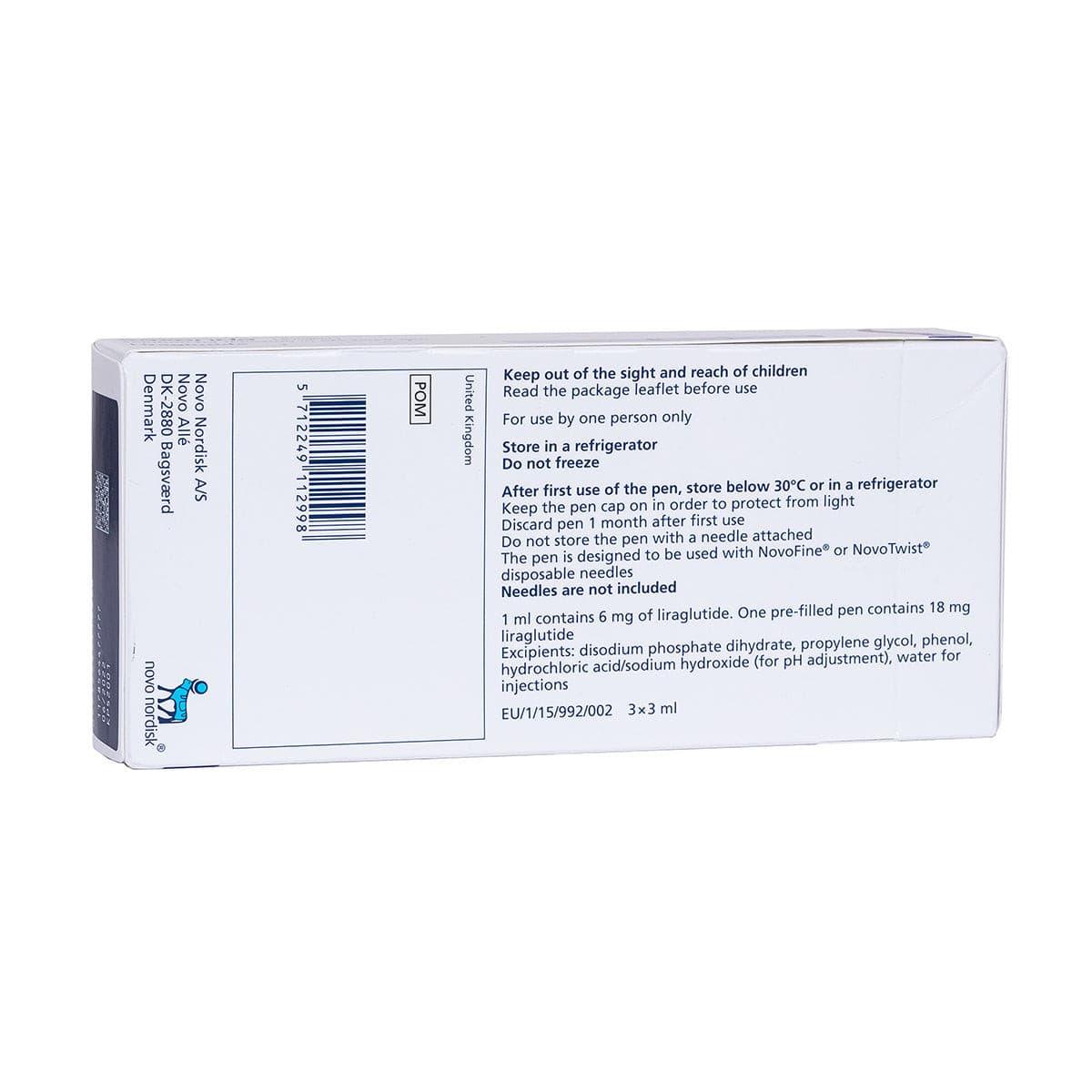
What is weight loss?

Achieving weight loss is a primary objective for many individuals across the US who aim to enhance their overall health and well-being. This process entails deliberately reducing excess body fat by adopting a thoughtful blend of nutritional modifications, increased exercise, and significant lifestyle changes. More than just appearance, maintaining a healthy weight plays a crucial role in preventing and managing various obesity-related health issues, leading to a better quality of life.

These treatments have been developed to aid in your efforts to improve your weight management for the long term. With GLP-1's trailblazing the market into the future. With proven results worldwide, they are a viable option for anyone seeking to improve their livelihood.

Take your first steps with Médetone LLC today.

Test your elibility

Browse the collection

Explore our range of weight loss solutions.
4.2
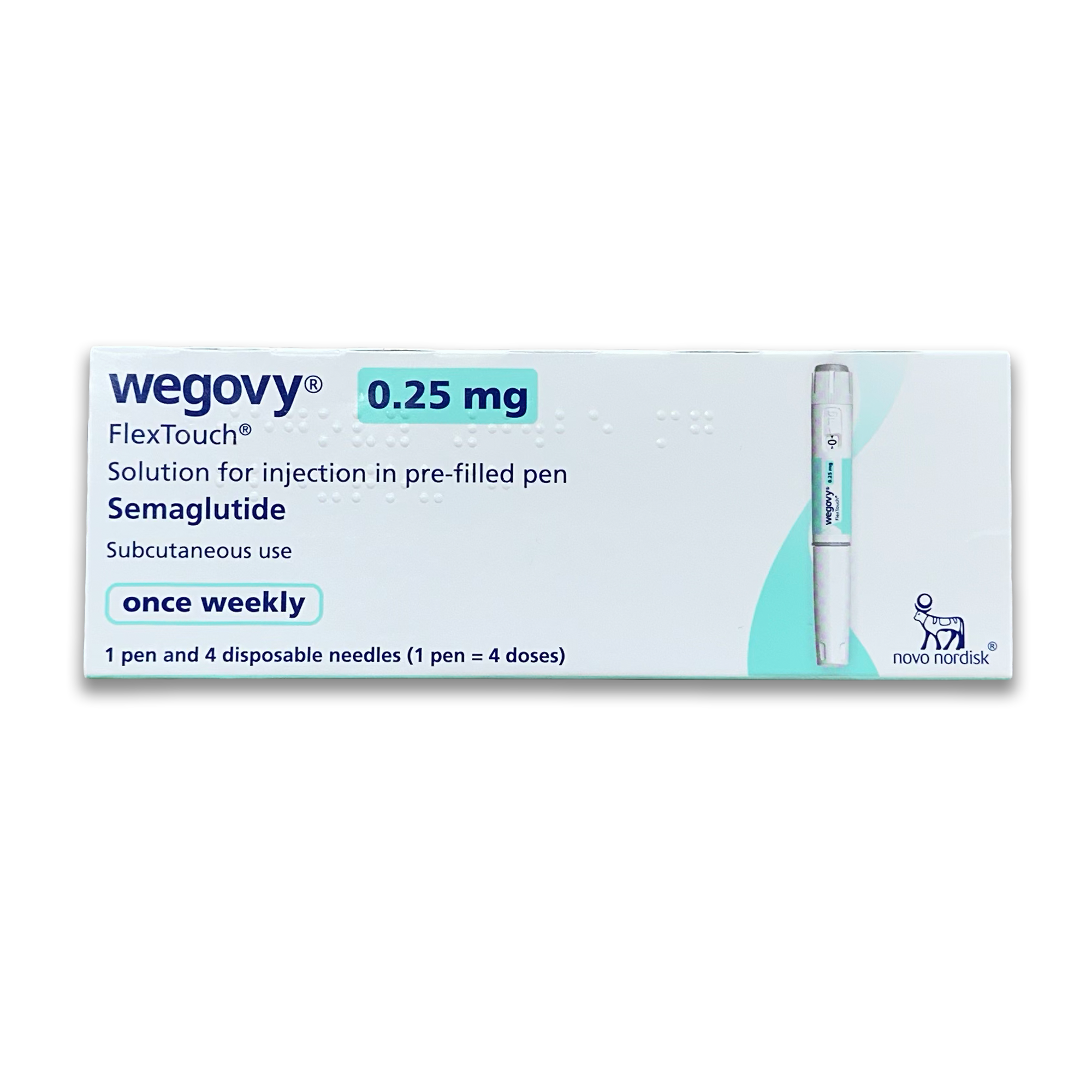
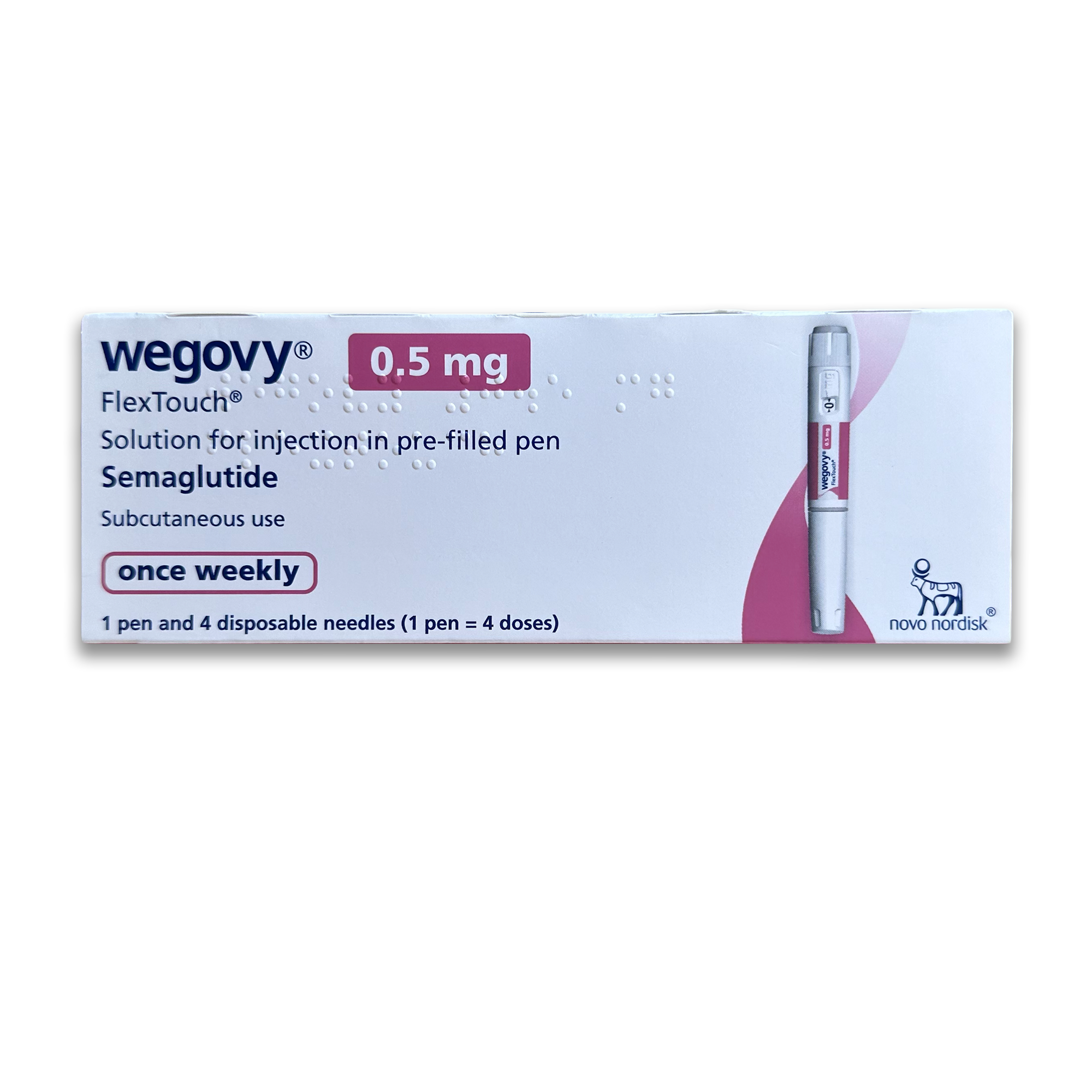
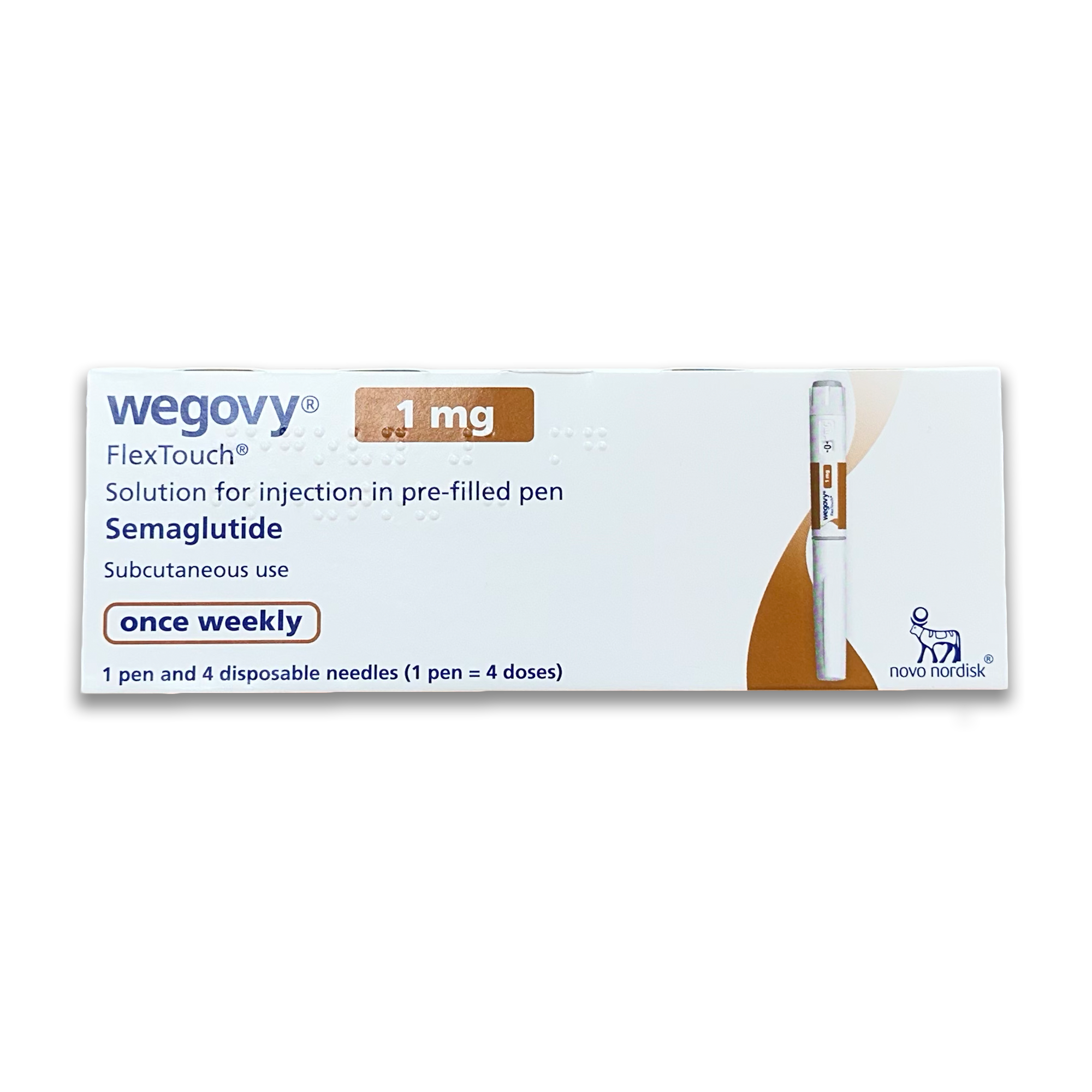
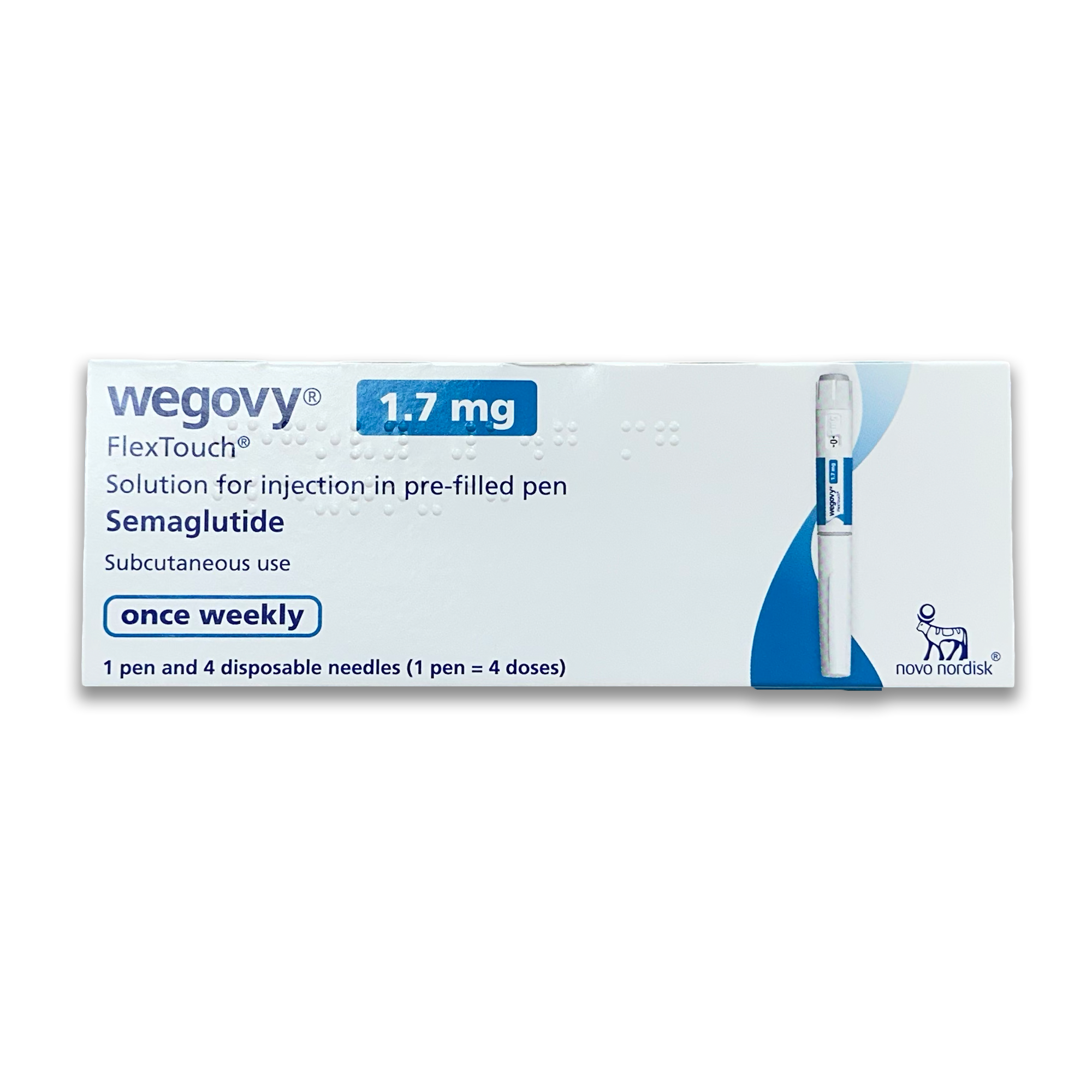
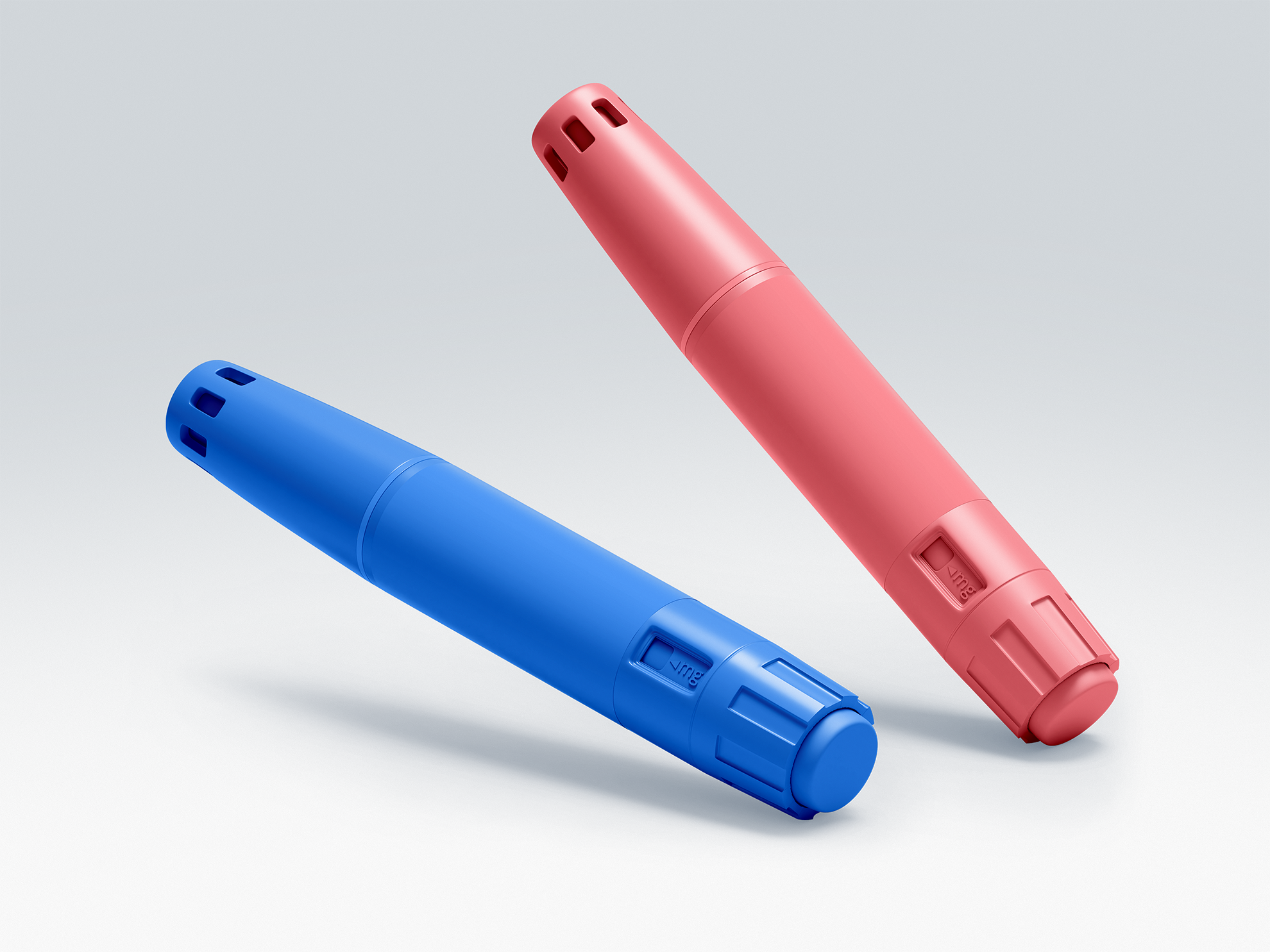
Wegovy (Semaglutide) Injections
5.0
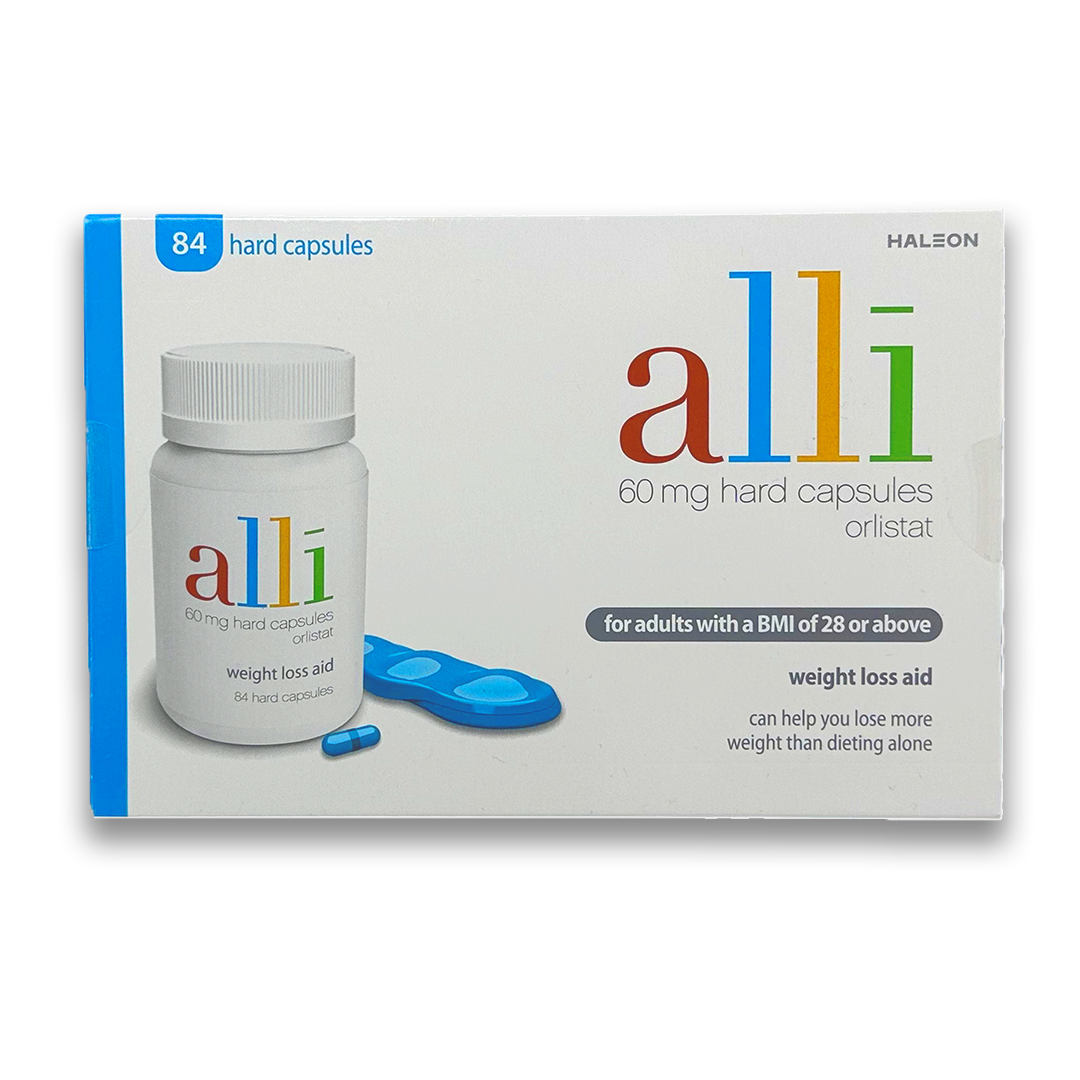
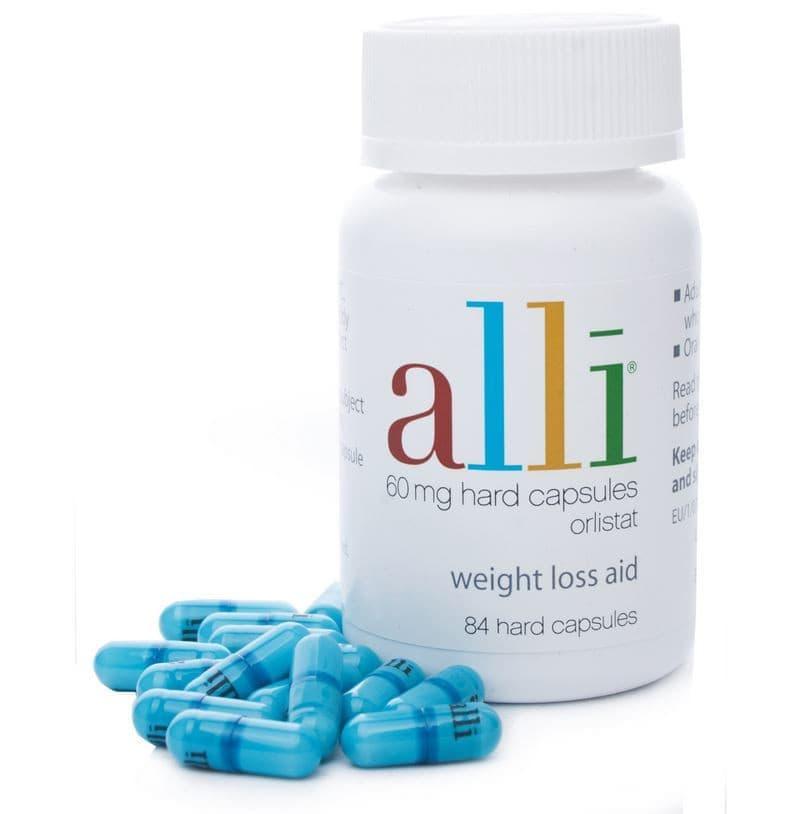
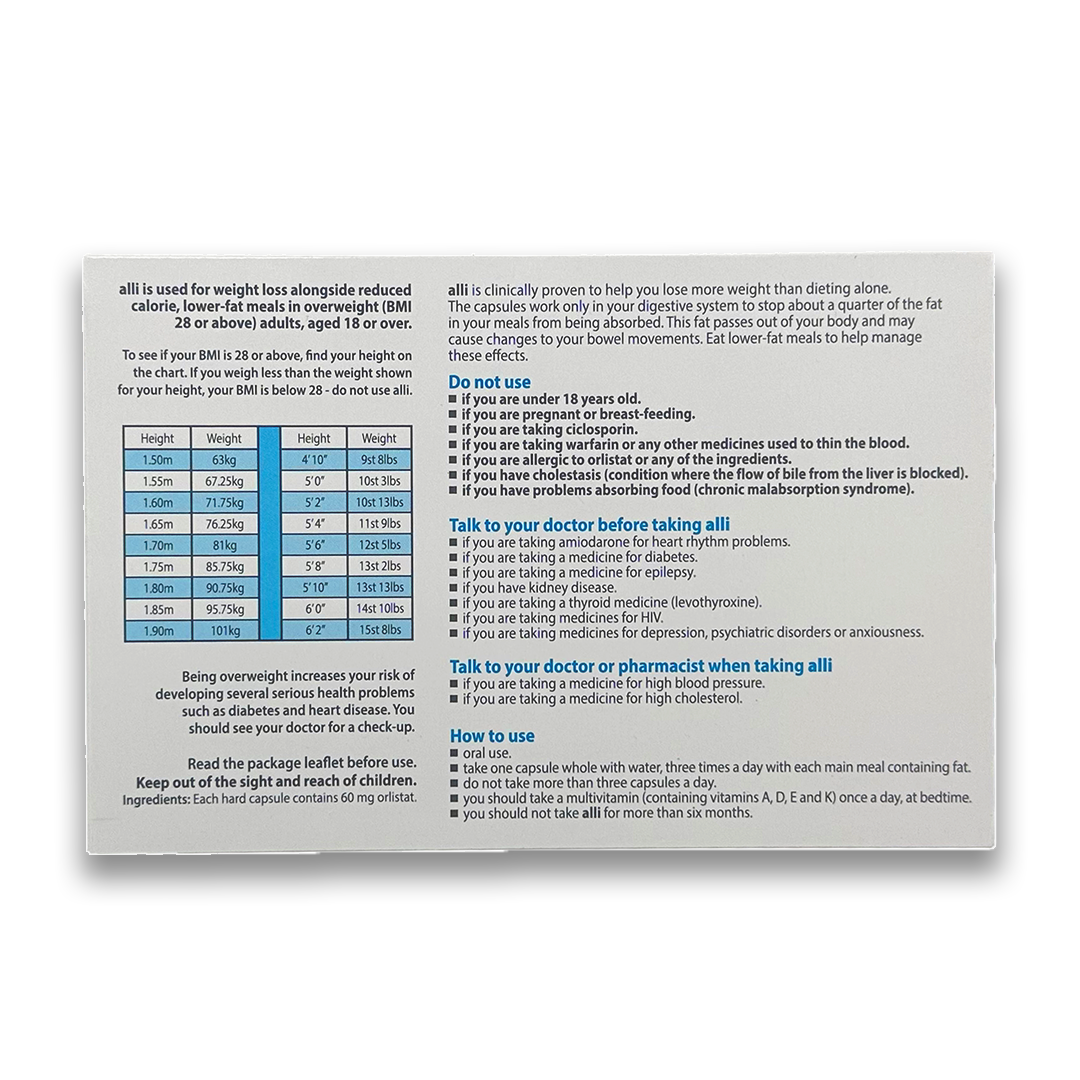
Alli 60mg Capsules
Vendor:Haleon
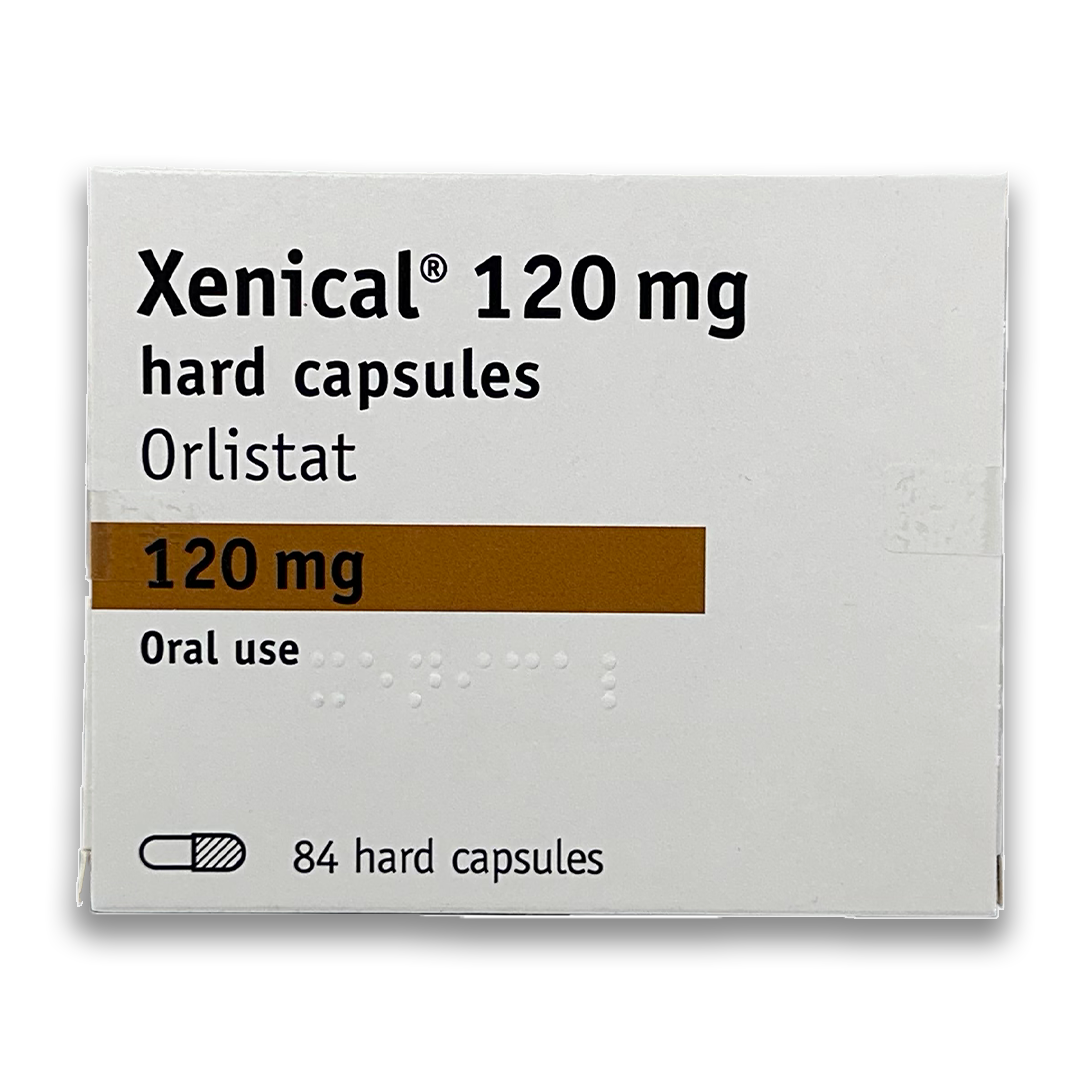
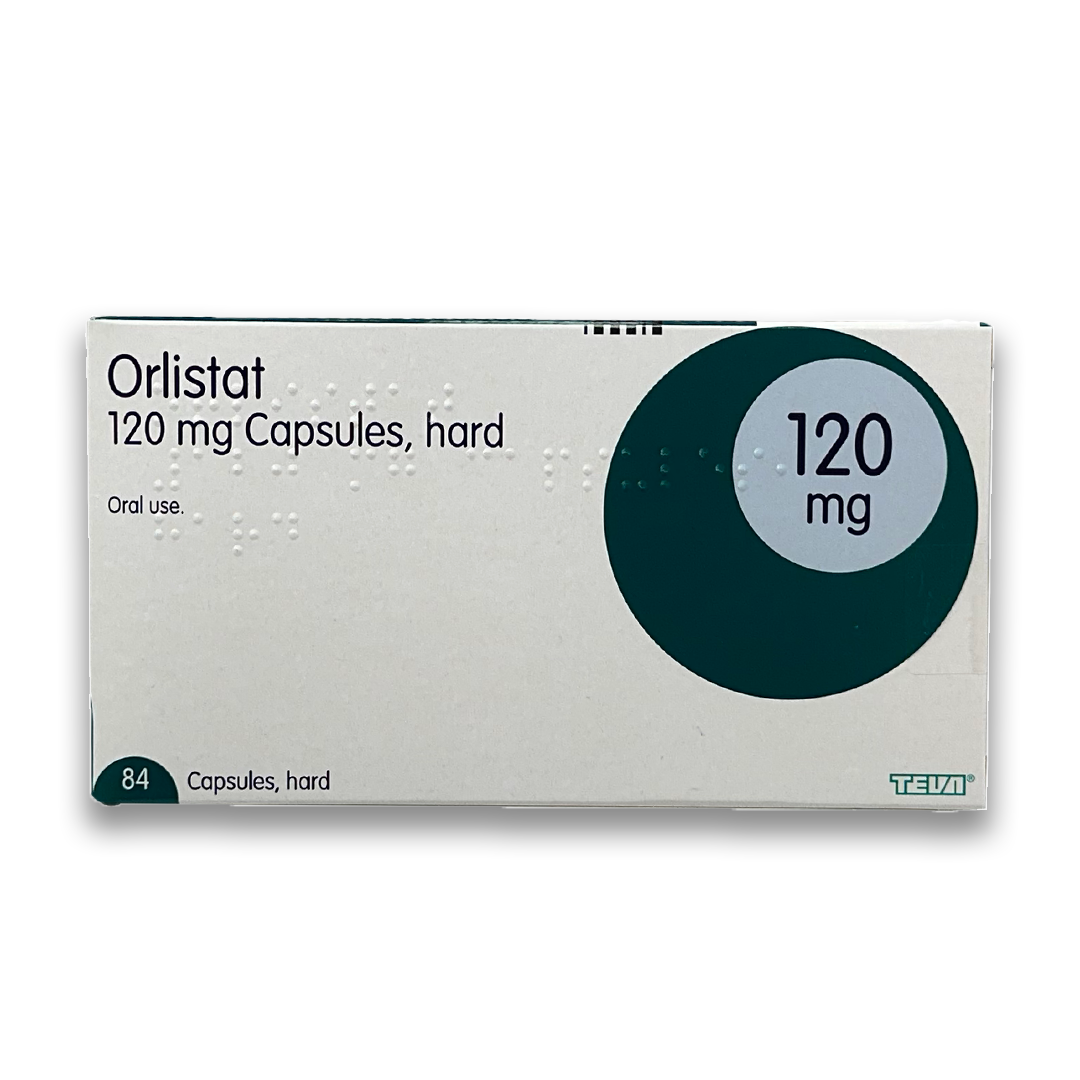
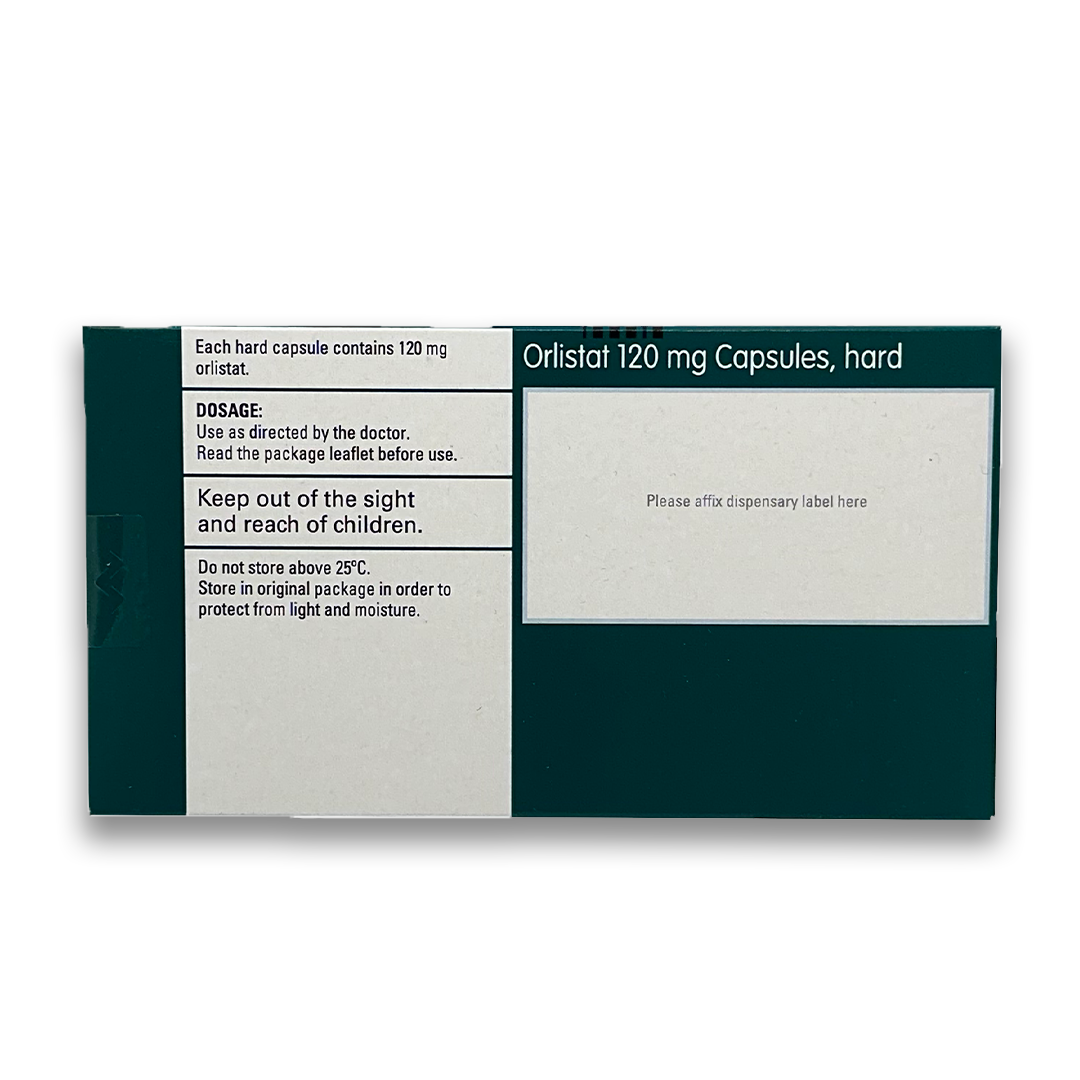
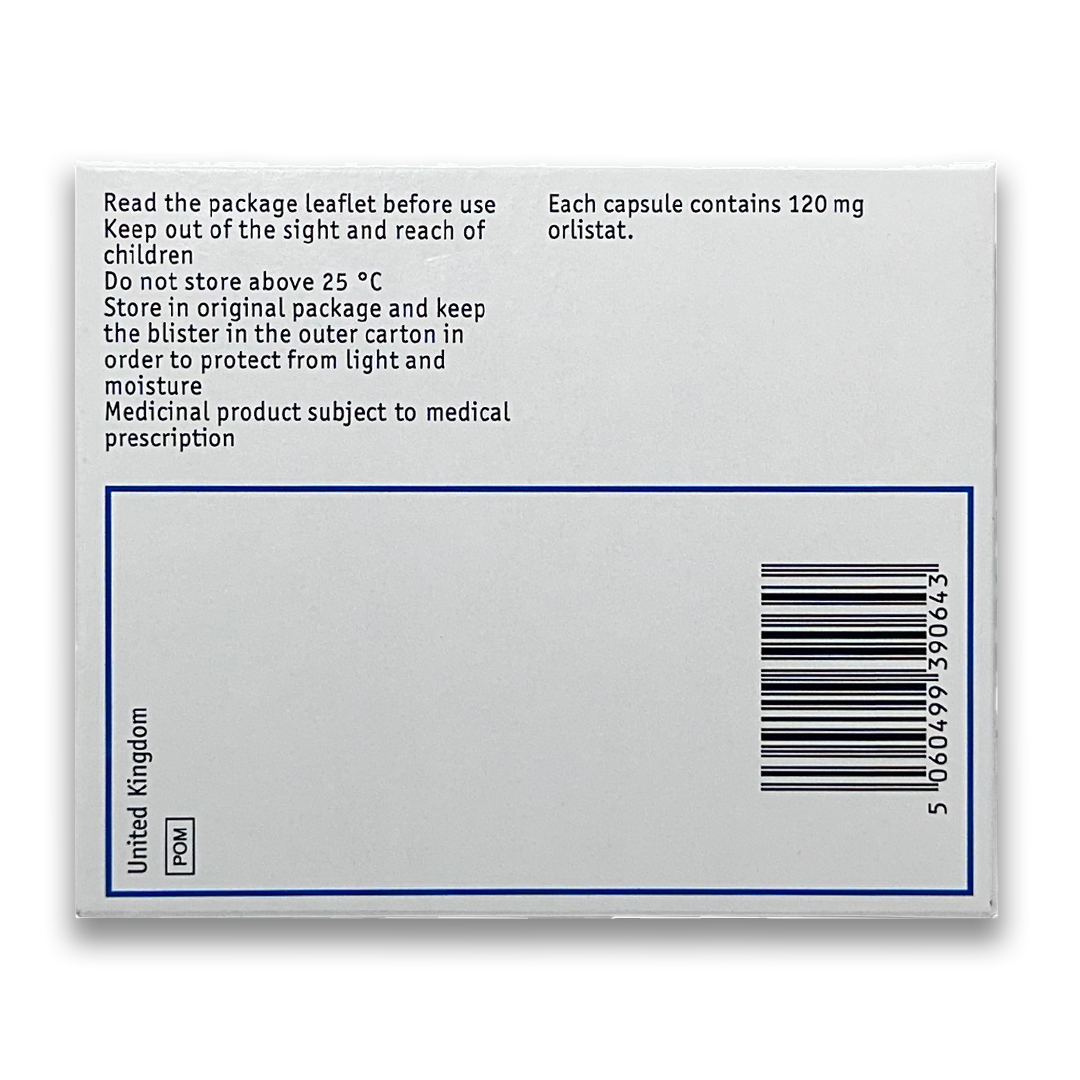
Orlistat 120mg Capsules
Vendor:TEVA
Xenical
Vendor:NEON

Xenical

£39.99
5.0
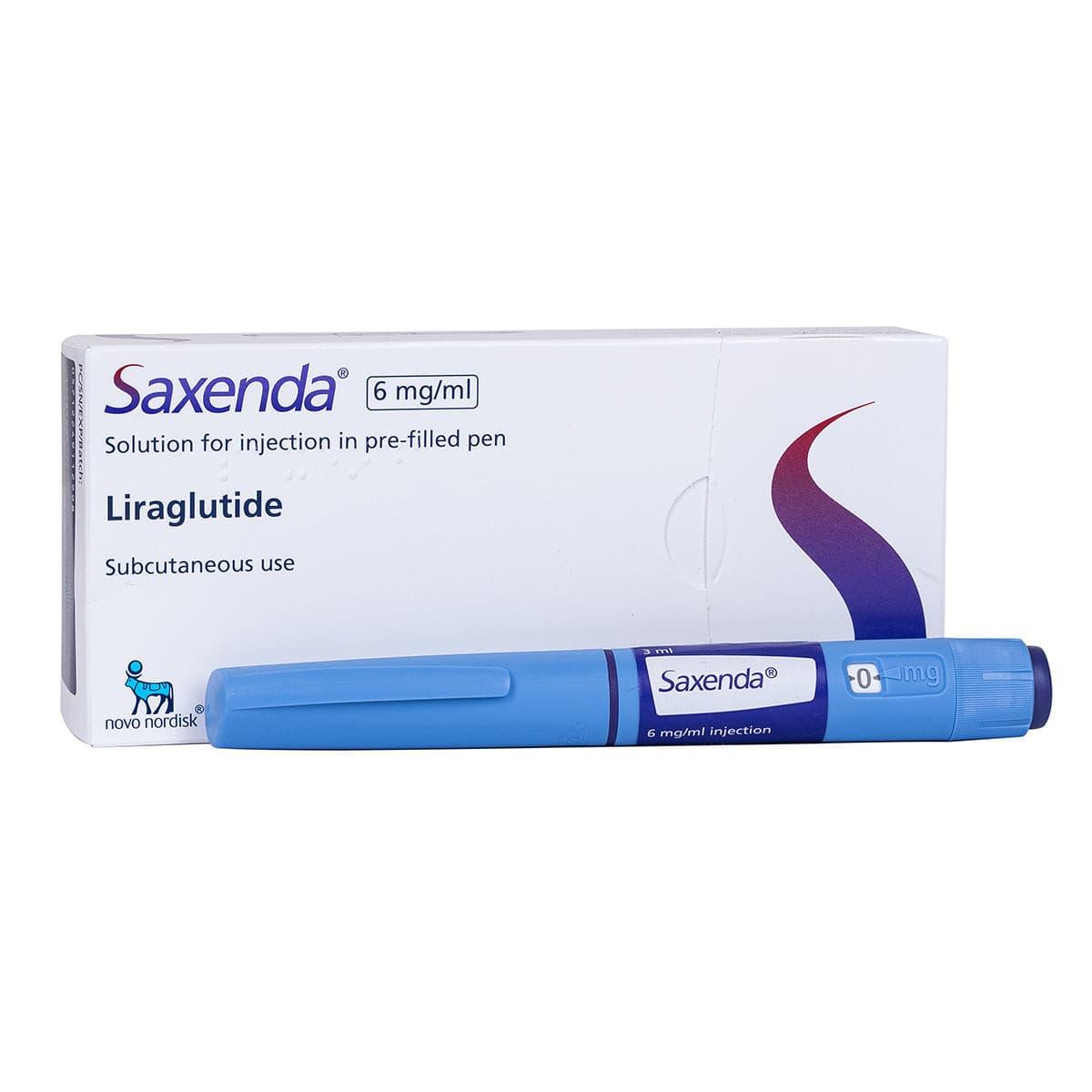
Saxenda - Rightangled
Vendor:Novo Nordisk

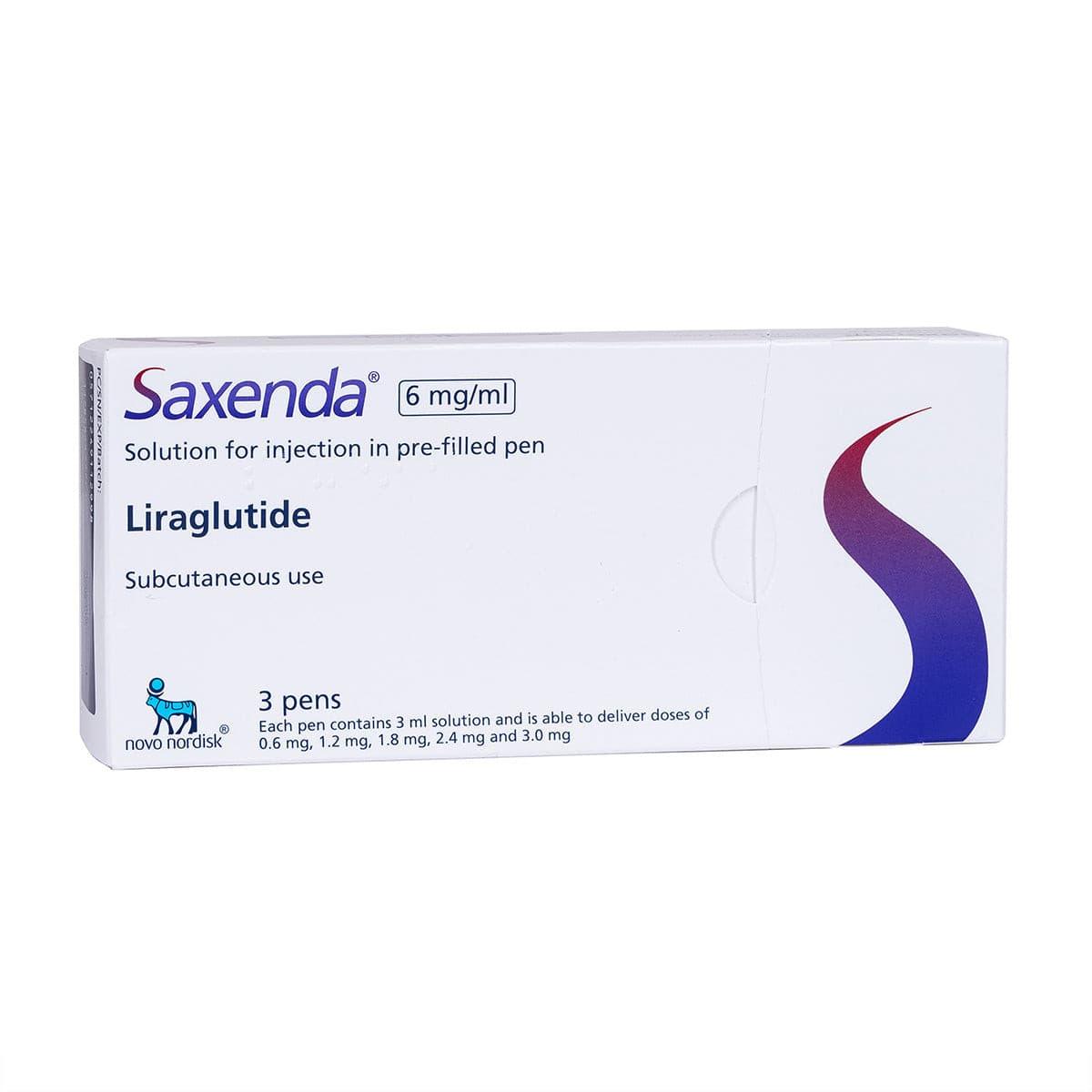
Saxenda

£79.99

Start your Consultation

Start your consultation on the condition page to check your eligibility.

Test your eligibility

The Consultation Process

How does the online consultation work?

To begin, you’ll fill out a secure online questionnaire designed to gather important details about your health and weight loss objectives. This information enables our licensed healthcare providers to evaluate your suitability for treatment. After submitting the questionnaire, your answers will be thoroughly reviewed, and if necessary, a clinician may reach out to you for further clarification. Once approved, a prescription will be issued, and your treatment will be dispatched from our pharmacy located on the East Coast.

Begin your Consultation

Will I need to schedule an appointment, or will someone contact me directly?

No appointment is required. The consultation is fully flexible and can be completed at any time that works best for you. You have the option to pause the questionnaire and return to it whenever you wish. Once submitted, one of our healthcare professionals will review your information within 24 hours. If you don’t hear back within that period, please reach out to us at info@medetone.com, and we’ll get back to you promptly.

Begin your Consultation

What is the cost of the online consultation?

The online consultation is entirely free of charge. Payment is only required if you qualify for treatment. If you are deemed ineligible, any payment made will be fully refunded. Additionally, you can have a preliminary, no-obligation conversation with a clinician to help identify the most suitable weight loss option for you.

Begin your Consultation

What are the key differences between Mounjaro & Wegovy?

What is Mounjaro?

The newest FDA-approved treatment for weight management and type 2 diabetes.

Includes tirzepatide, a medication that acts on two important hormones: GLP-1 and GIP.

This dual-action approach helps suppress appetite while also supporting better blood sugar regulation.

Intended to deliver improved results when used alongside lifestyle modifications.

What is Wegovy?

Approved for weight management in adults who are overweight or obese.

Contains semaglutide, a GLP-1 receptor agonist medication.

Works by mimicking a natural hormone that influences the brain’s appetite regulation centers.

Supports reduced hunger and calorie consumption to encourage long-term weight loss.

Are there treatment options available if I prefer not to use injectable medications?

How do the chemical compositions of oral treatments differ from those of injectable medications?

Although oral and injectable weight loss medications can contain the same active ingredient (like semaglutide), their chemical formulations are specifically tailored to their method of delivery. Injectable medications are administered directly into the bloodstream, while oral medications must withstand the digestive process, resulting in different designs to maintain their effectiveness.

Key distinctions include:

  • Injectables bypass the digestive tract, allowing for more efficient absorption; oral medications often require absorption enhancers.
  • Oral tablets are formulated with protective coatings and carriers to withstand stomach acid.
  • Injectables are often chemically more stable, especially for peptide-based drugs.
  • Injectables generally allow for higher drug levels in the blood.
  • Oral tablets contain more excipients (binders, coatings, etc.) than injectables.
Do oral medications offer the same effectiveness as injectable treatments?

Oral weight loss medications can be effective, but they don’t always function identically to injectable treatments. Even when containing the same active ingredient, oral medications are absorbed differently, which can slightly impact how much of the drug is available to work in the body.

That said, for many individuals, oral options offer a convenient and clinically effective alternative.

Key points:

  • Oral medications may deliver lower drug levels into the bloodstream compared to injectables.
  • Higher oral doses are often used to make up for reduced absorption.
  • Clinical trials show that oral semaglutide (like Rybelsus) can produce weight loss comparable to injections in some individuals.
  • For those who prefer to avoid injections, oral treatments provide an effective option when taken as directed and consistently.

Learn about Weight Loss

Cause

Understanding the causes of pain in children is crucial for effective management. Common causes of pain in children include:
Injuries: Falls, bumps, cuts, and sports-related injuries can lead to pain.
Illness: Conditions like ear infections, sore throats, or gastrointestinal issues can cause discomfort.
Medical Procedures: Invasive medical procedures, such as vaccinations or surgeries, may result in pain.
Chronic Conditions: Children with chronic conditions like arthritis may experience ongoing pain.
Teething: Infants and toddlers often experience pain and discomfort when their first teeth erupt.

Diagnosis

Diagnosing pain in children can be challenging since they may have difficulty expressing their discomfort, especially at a young age. Caregivers and healthcare professionals must rely on observable signs, such as:
Crying or Irritability: Infants and young children may cry, fuss, or become more irritable when in pain.
Changes in Behavior: Older children may exhibit changes in their behavior, such as withdrawal or increased restlessness.
Verbal Communication: Older children may be able to communicate the location and intensity of their pain.
Vital Signs: Healthcare providers may monitor vital signs, such as increased heart rate or blood pressure, which can indicate pain.

Treatments

Managing pain in children often involves a combination of non-pharmacological and pharmacological approaches, depending on the underlying cause and severity of pain.
1. Non-Pharmacological Approaches:
Distraction: Engaging children in activities or games can divert their attention from pain.
Relaxation Techniques: Deep breathing exercises and relaxation routines can help alleviate discomfort.
Heat or Cold Therapy: Applying a warm or cold pack to the affected area can provide relief.
Massage: Gentle massage can relax muscles and reduce pain.
2. Pharmacological Approaches:
Acetaminophen (Paracetamol): This over-the-counter medication is commonly used to relieve pain and reduce fever in children.
Ibuprofen: Another over-the-counter option, ibuprofen can help reduce pain and inflammation.
Prescription Medications: In some cases, healthcare providers may prescribe stronger pain medications for severe pain.
Topical Analgesics: Creams or ointments containing local anesthetics can be applied to the skin to numb the area and relieve pain.
Opioid Medications: These are used in very specific cases and under strict medical supervision for severe pain.

Prevention

Preventing pain in children involves addressing the root causes and taking measures to reduce the risk of pain. Here are some preventive strategies:
Safety Measures: Implement safety precautions to reduce the risk of accidents and injuries at home, in the car, and during physical activities.
Vaccinations: Ensure that your child receives recommended vaccinations to prevent illnesses that can lead to pain.
Oral Health: Maintain good oral hygiene to reduce the discomfort associated with dental issues.
Healthy Lifestyle: Encourage a healthy lifestyle that includes a balanced diet, regular exercise, and adequate sleep to support overall well-being.
Regular Check-ups: Schedule regular check-ups with a pediatrician to identify and address health concerns early.

Further Info

Read more about Children's Pain relief on the NHS website, following the link below:

https://www.nhs.uk/medicines/paracetamol-for-children/

FAQs

Can I give my child both acetaminophen (paracetamol) and ibuprofen at the same time for pain relief?

It's generally not recommended to give both acetaminophen and ibuprofen simultaneously unless advised by a healthcare professional. Using one medication at a time, as directed, is typically sufficient for managing your child's pain. Combining them can increase the risk of side effects and should only be done under medical supervision.

Are there any natural or alternative therapies for pain relief in children?

Yes, some natural or alternative therapies can complement traditional pain relief methods. These may include aromatherapy, massage, acupuncture, or relaxation techniques. However, it's essential to consult with a healthcare provider before using alternative therapies, especially in young children, to ensure safety and effectiveness.

When should I seek medical attention for my child's pain?

You should seek medical attention for your child's pain if:
The pain is severe and persistent.
Your child experiences high fever along with pain.
The pain is associated with injury, such as a fall or impact.
There are signs of infection, like redness, warmth, or discharge at the site of pain.
Your child has a medical condition or is taking medications, and the pain is a new or unusual symptom.
It's always better to consult a healthcare professional for a proper evaluation in these situations.

Can over-the-counter pain relievers cause side effects in children?

Yes, over-the-counter pain relievers like acetaminophen and ibuprofen can have side effects, although they are generally considered safe when used as directed. Side effects may include gastrointestinal discomfort, allergic reactions, or liver issues (in the case of acetaminophen). It's crucial to follow dosing instructions and consult with a healthcare provider if you have any concerns about potential side effects.

Read up on the latest in Weight Loss

Ready to start your weight loss journey? Get your personalized consultation today!
Start Consultation