What is weight loss?

Achieving weight loss is a primary objective for many individuals across the US who aim to enhance their overall health and well-being. This process entails deliberately reducing excess body fat by adopting a thoughtful blend of nutritional modifications, increased exercise, and significant lifestyle changes. More than just appearance, maintaining a healthy weight plays a crucial role in preventing and managing various obesity-related health issues, leading to a better quality of life.

These treatments have been developed to aid in your efforts to improve your weight management for the long term. With GLP-1's trailblazing the market into the future. With proven results worldwide, they are a viable option for anyone seeking to improve their livelihood.

Take your first steps with Médetone LLC today.

Test your elibility

Browse the collection

Explore our range of weight loss solutions.
4.2
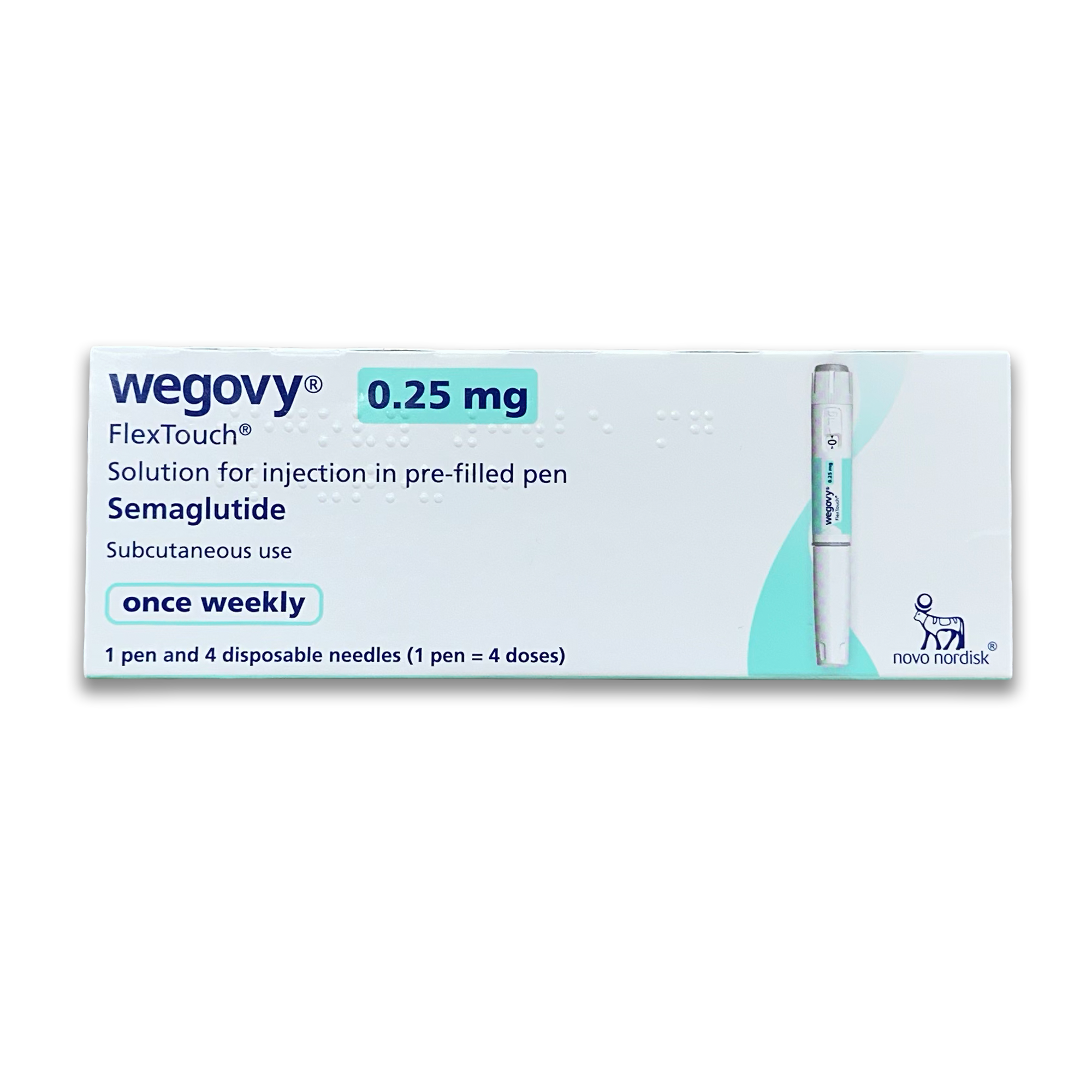
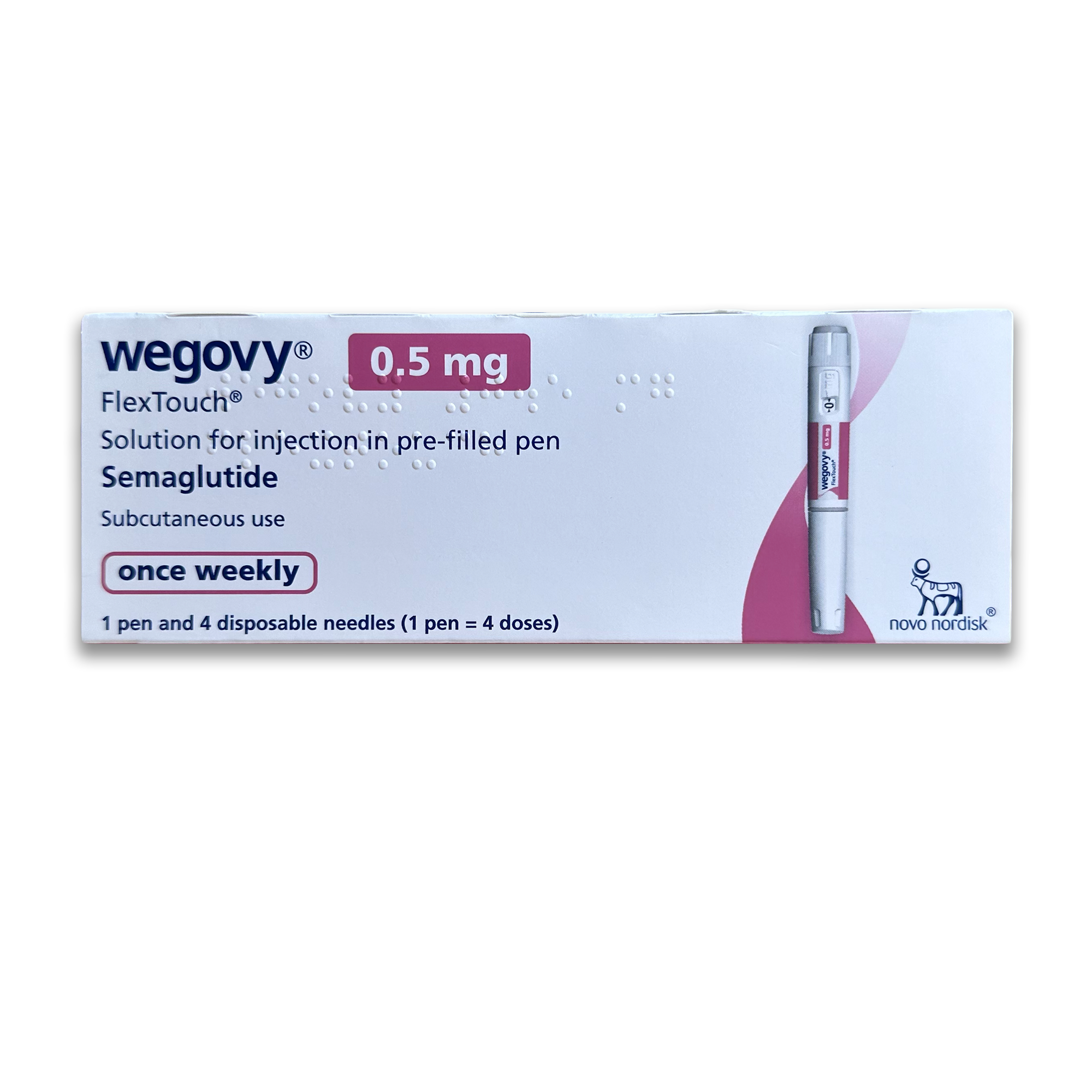
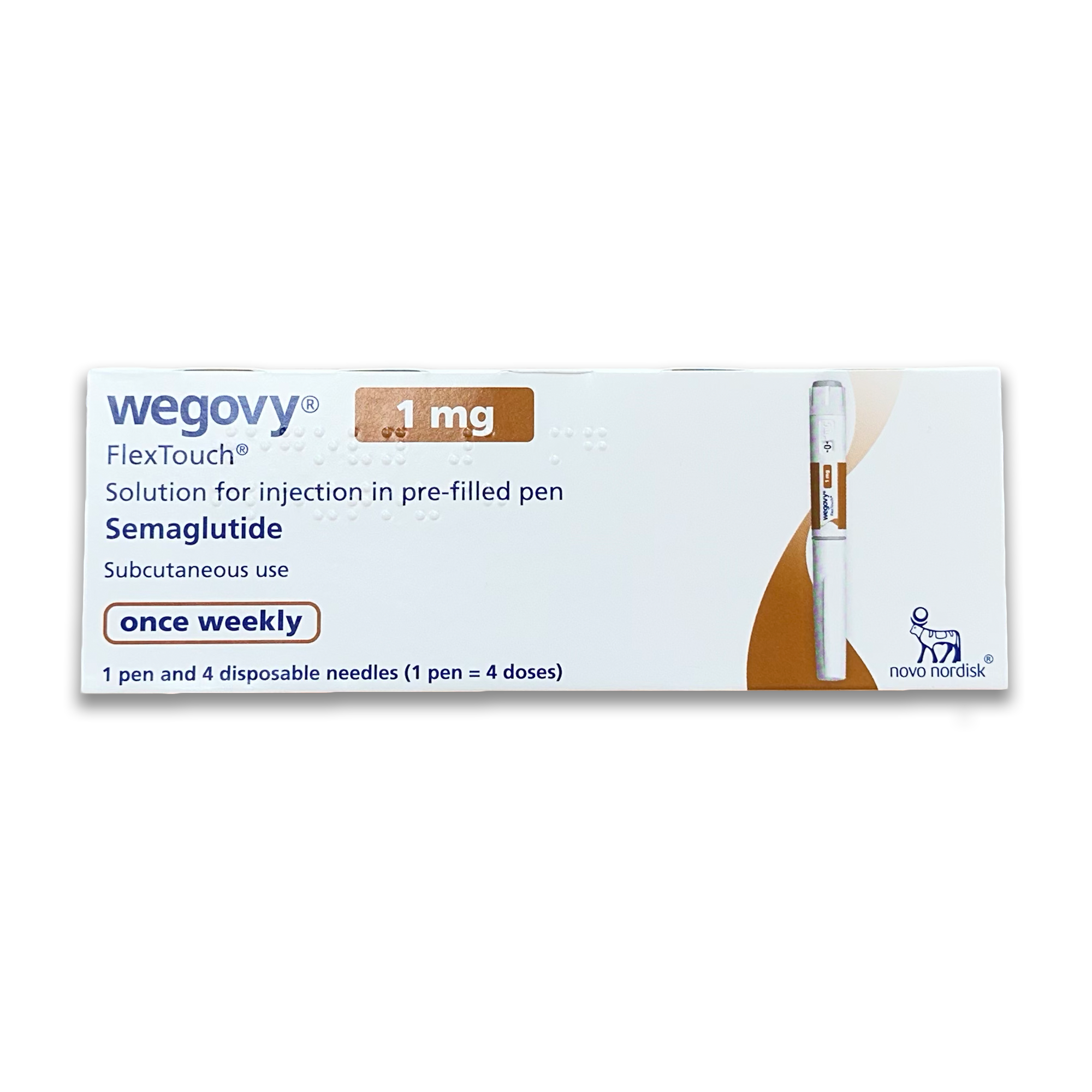
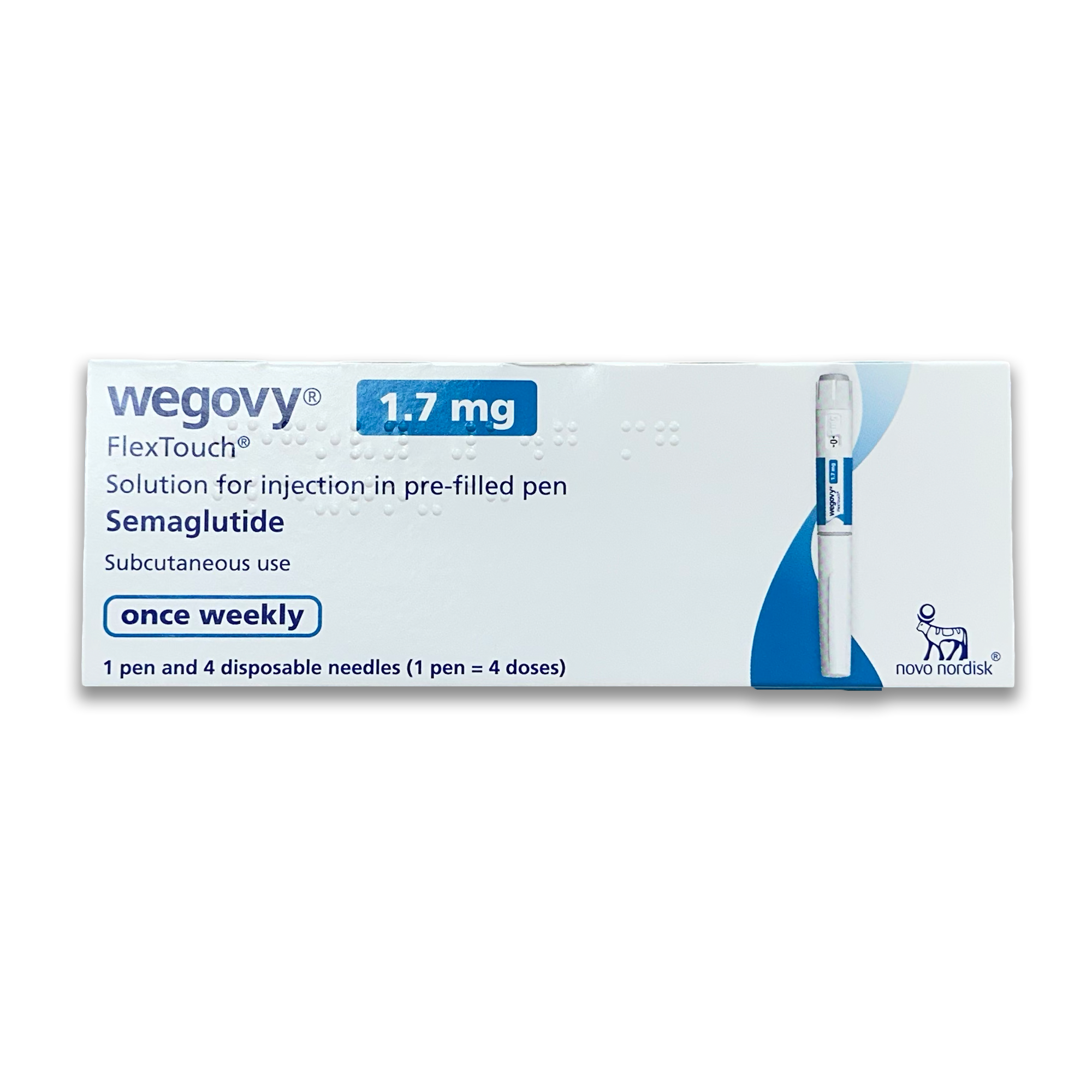
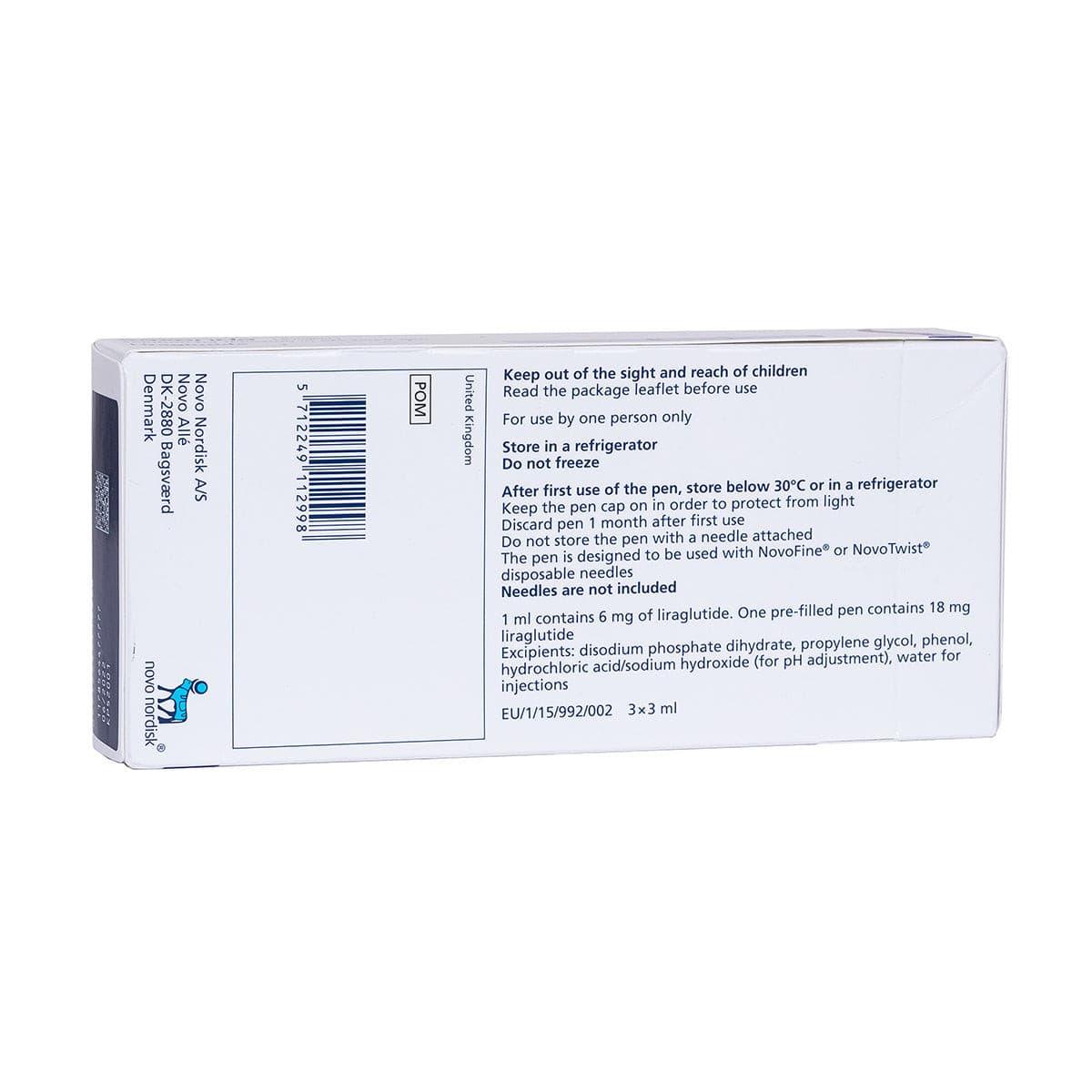
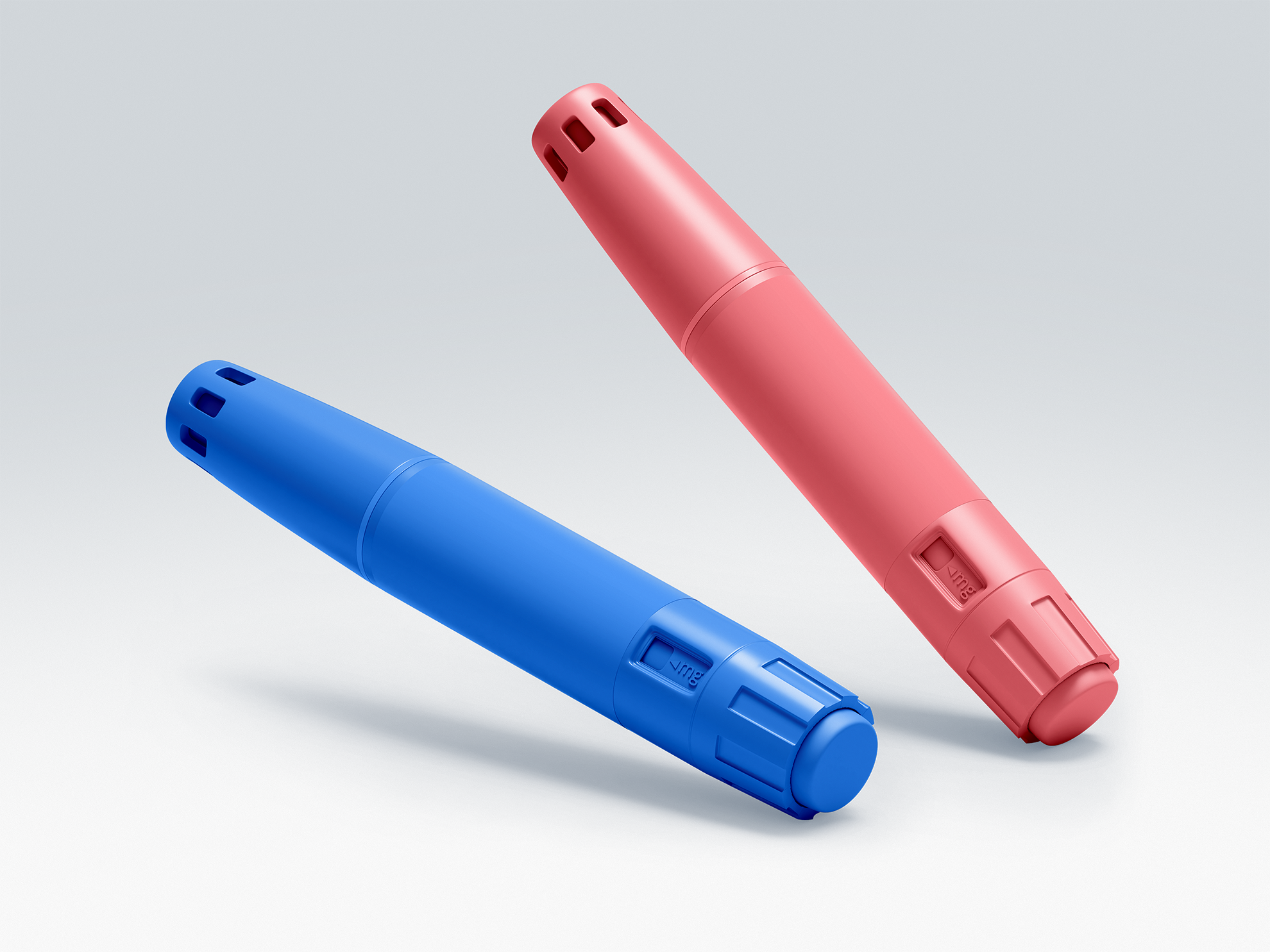
Wegovy (Semaglutide) Injections
5.0
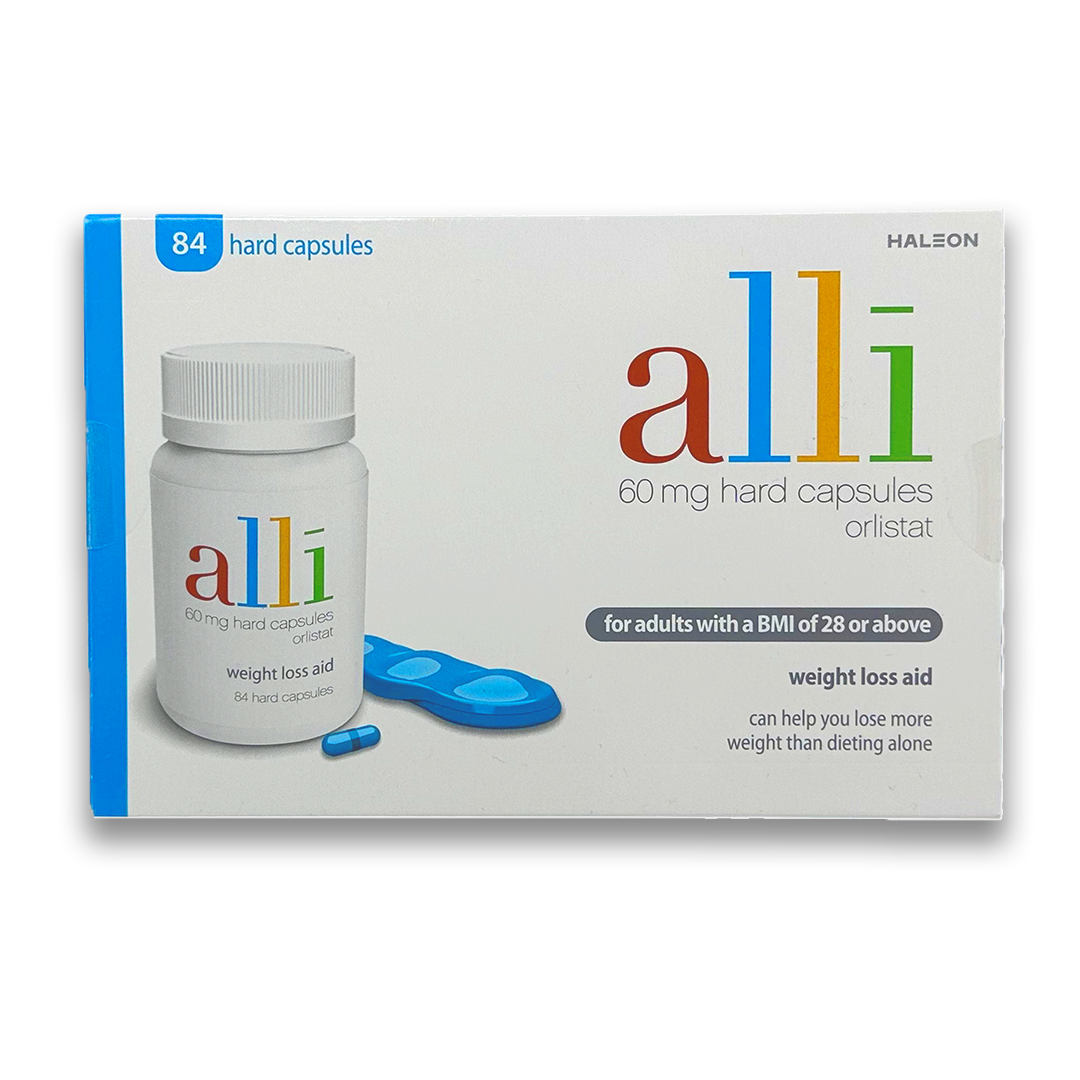
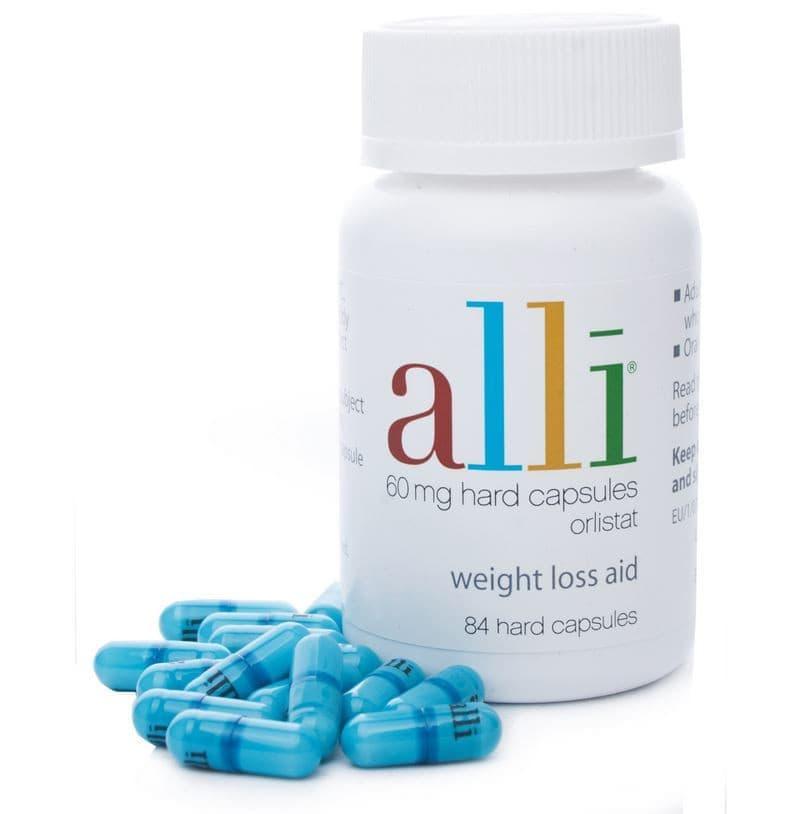
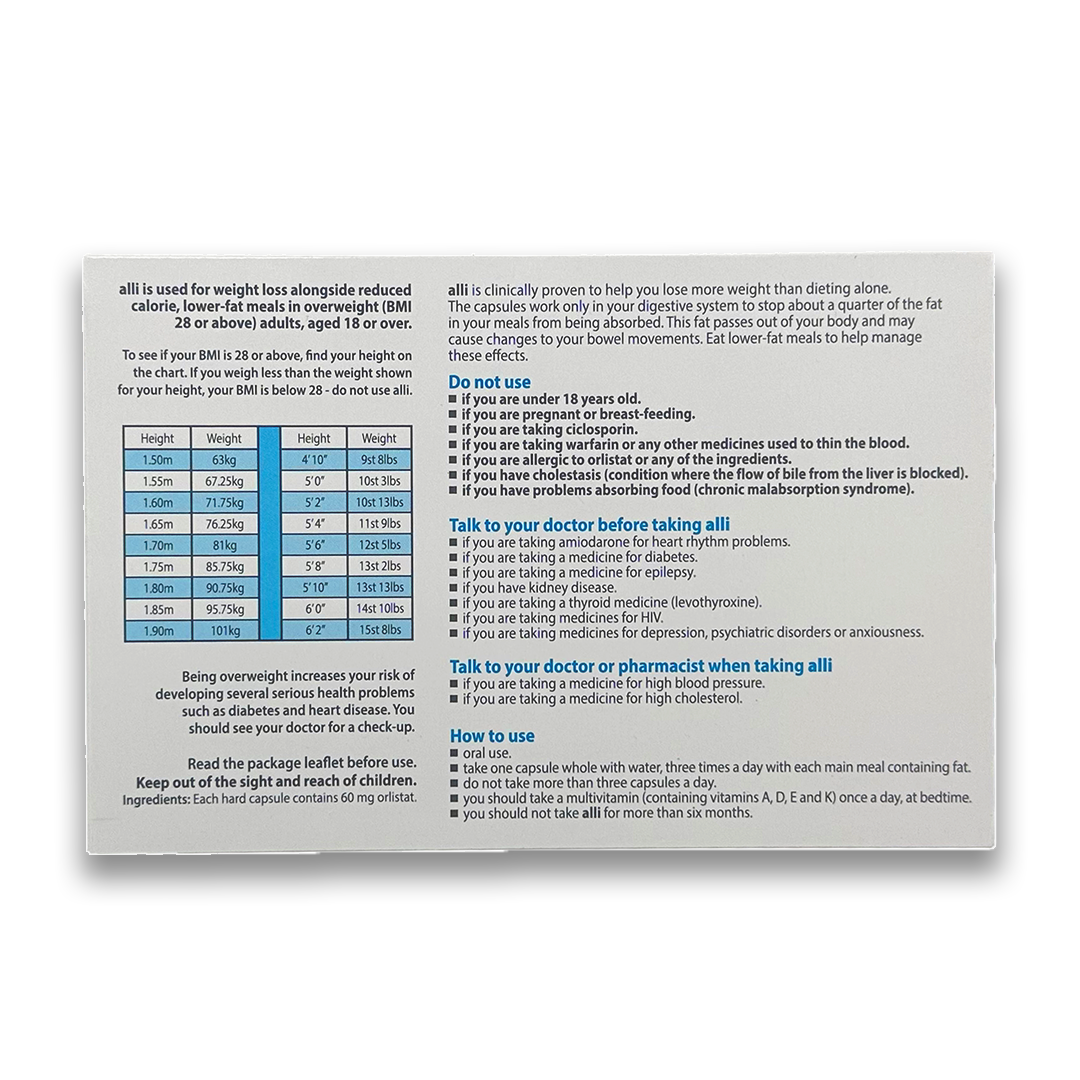
Alli 60mg Capsules
Vendor:Haleon
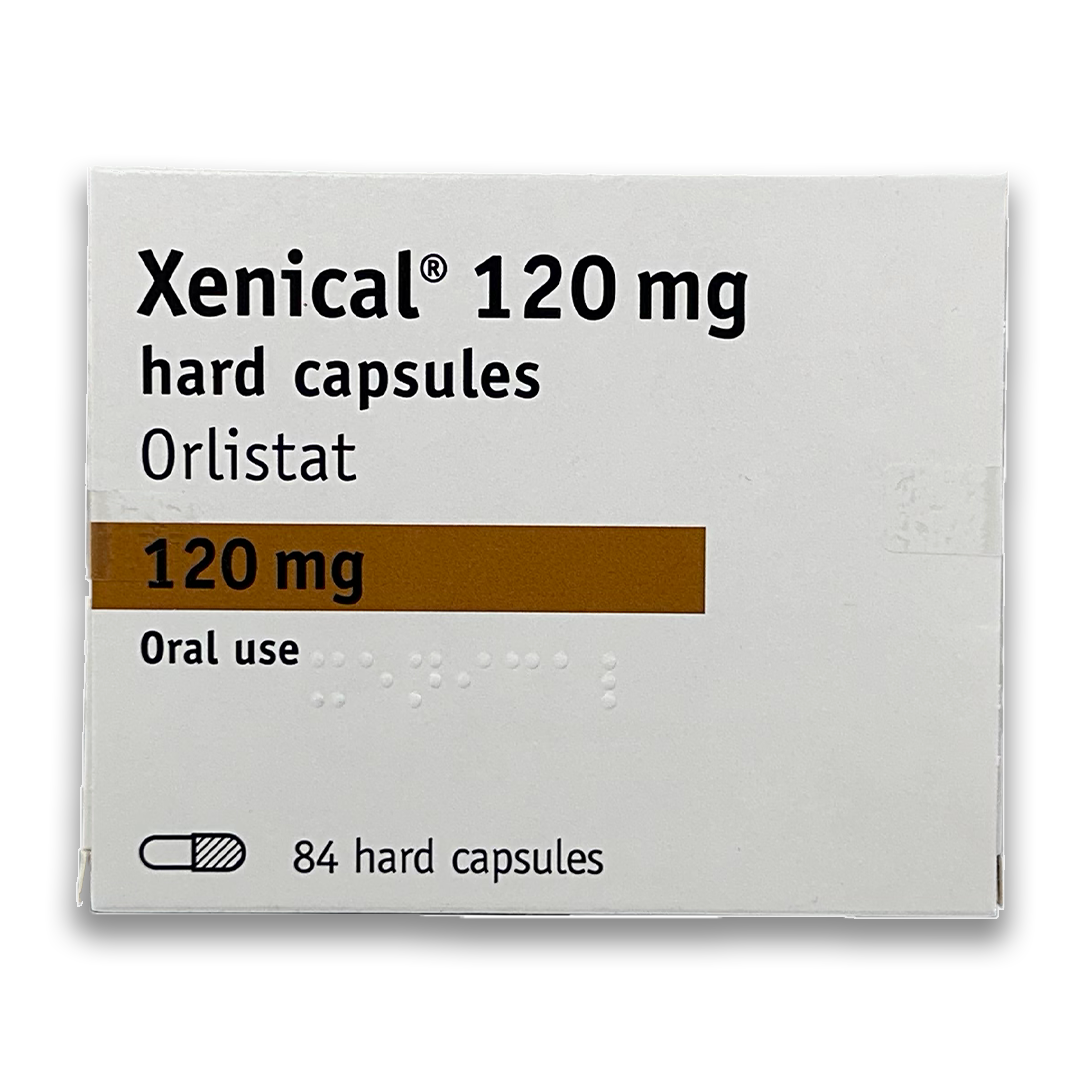
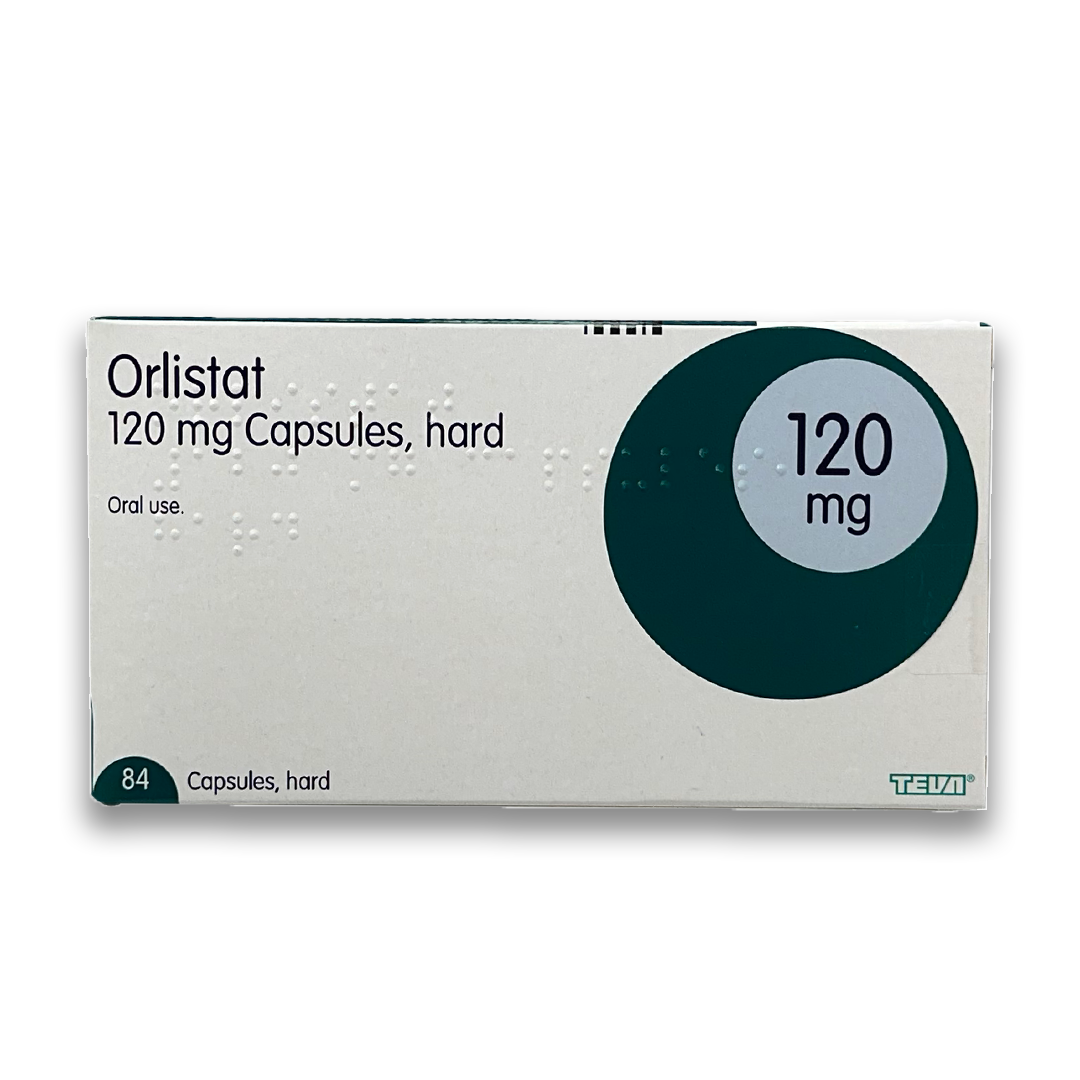
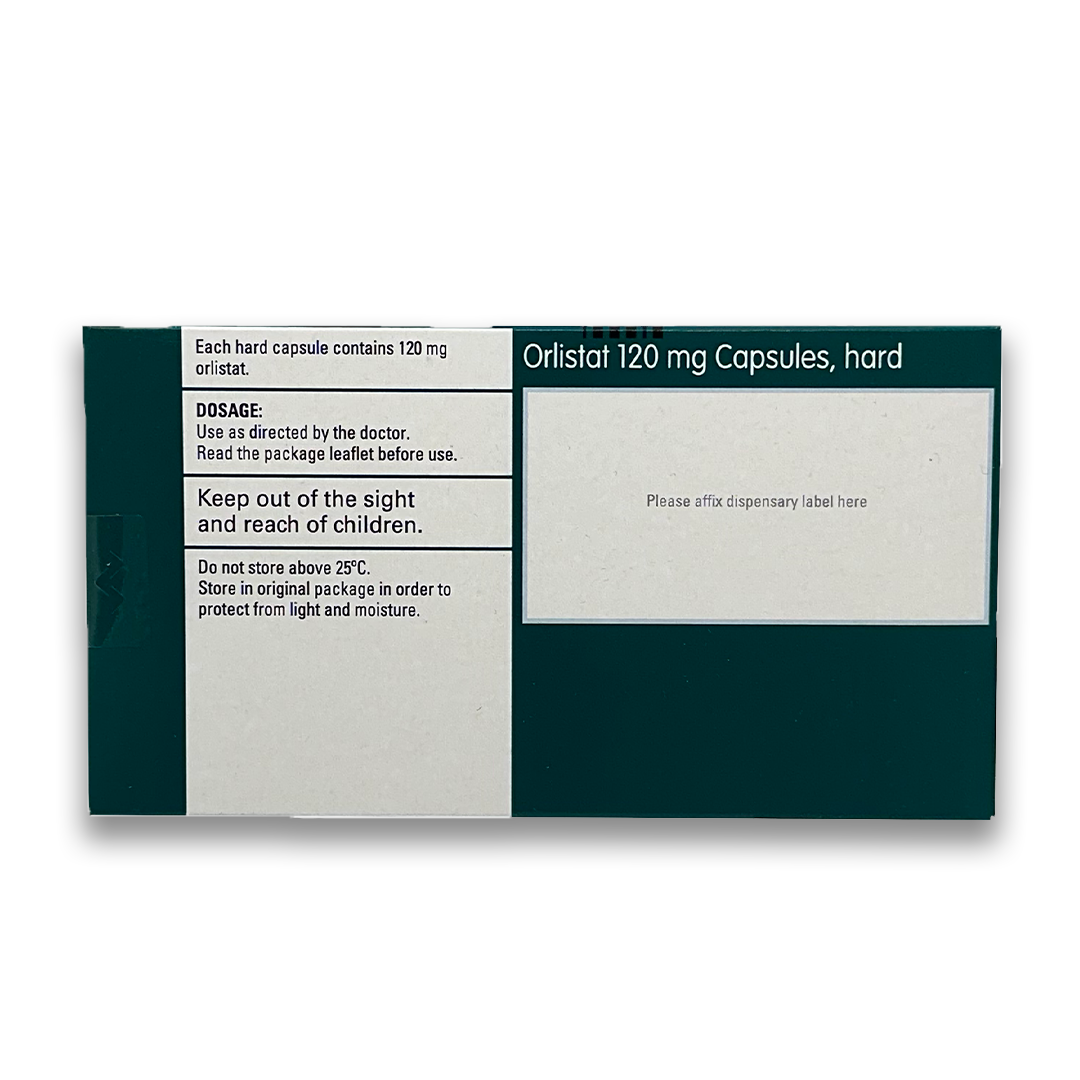
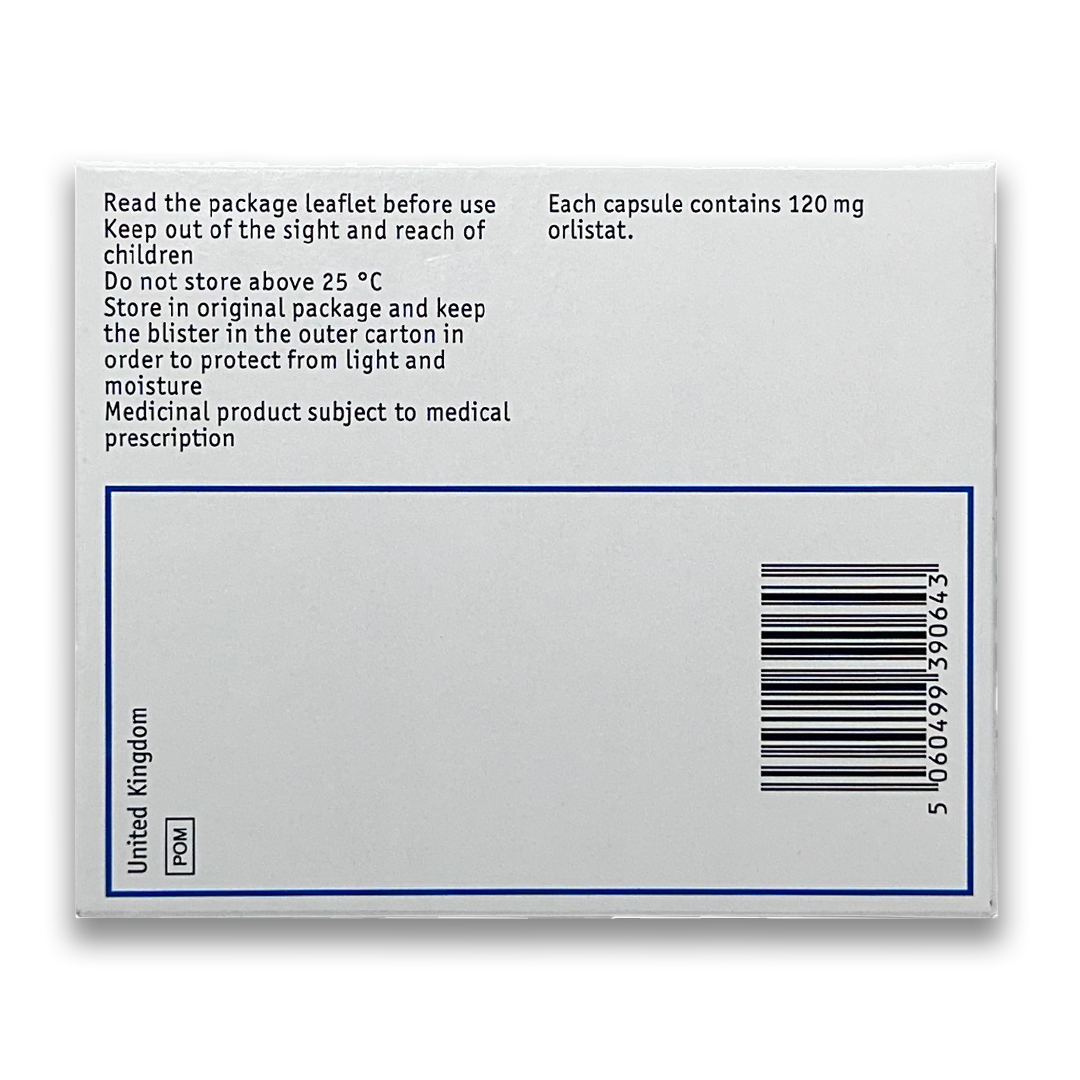
Orlistat 120mg Capsules
Vendor:TEVA
Xenical
Vendor:NEON

Xenical

£39.99
5.0
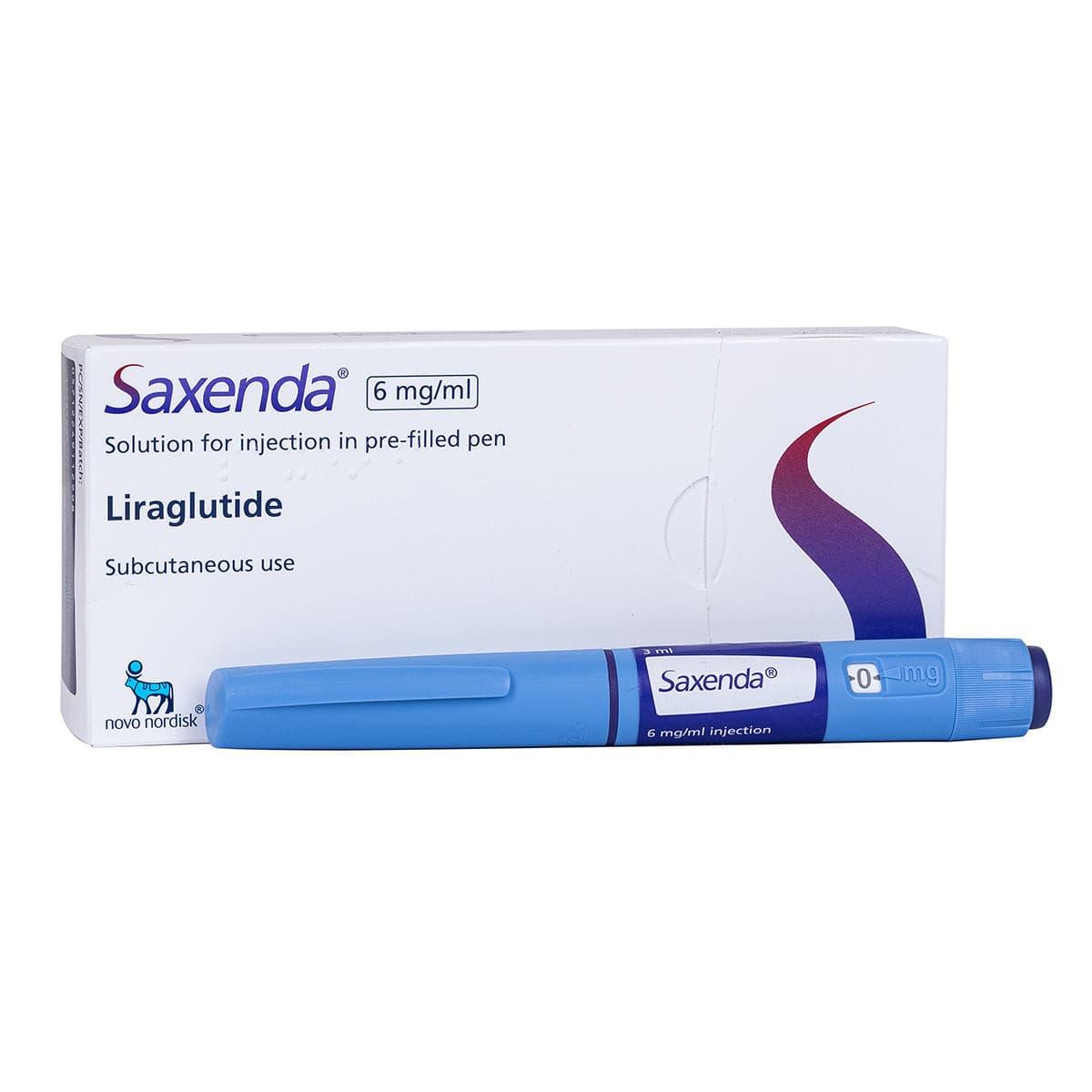
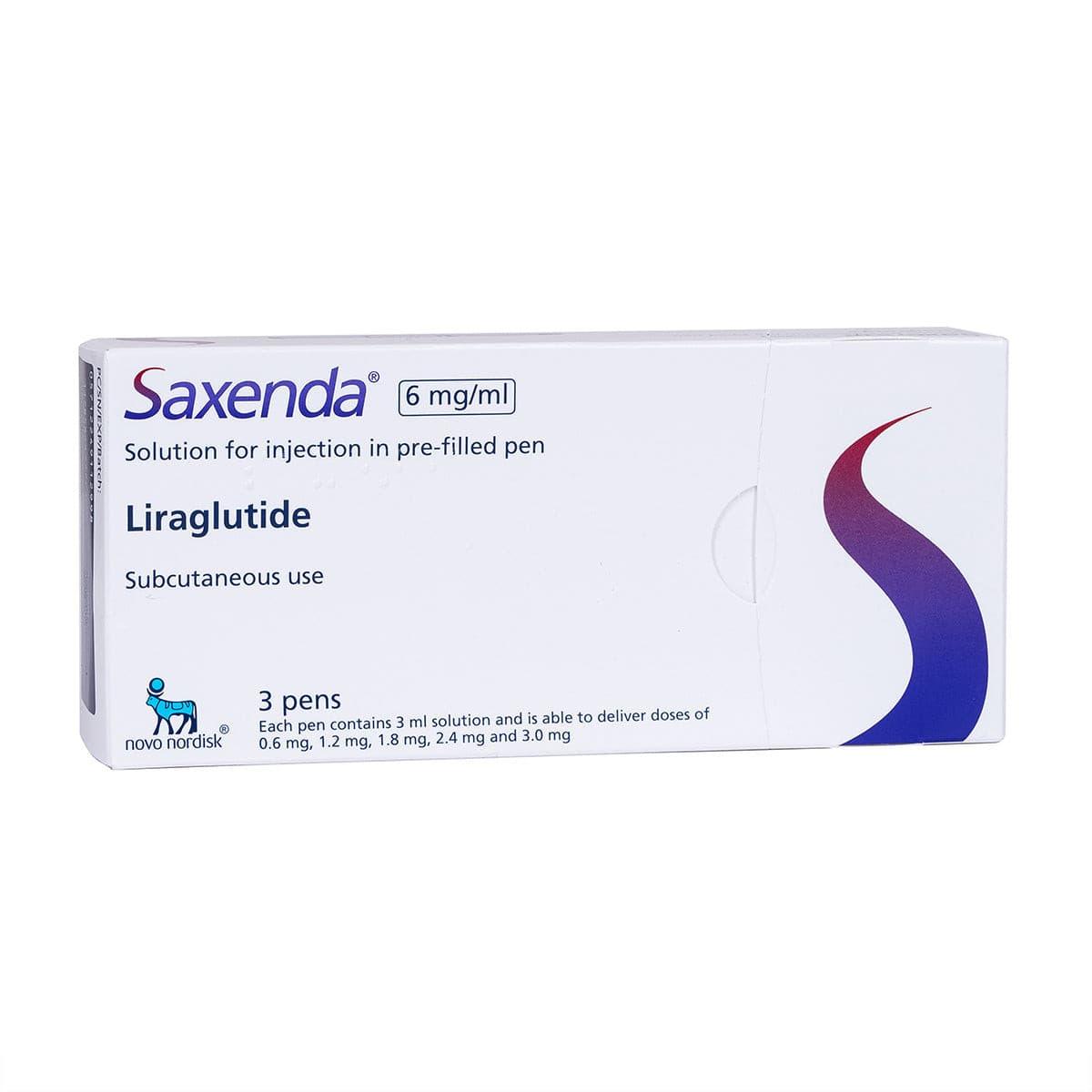
Saxenda - Rightangled
Vendor:Novo Nordisk

Saxenda

£79.99

Start your Consultation

Start your consultation on the condition page to check your eligibility.

Test your eligibility

The Consultation Process

How does the online consultation work?

To begin, you’ll fill out a secure online questionnaire designed to gather important details about your health and weight loss objectives. This information enables our licensed healthcare providers to evaluate your suitability for treatment. After submitting the questionnaire, your answers will be thoroughly reviewed, and if necessary, a clinician may reach out to you for further clarification. Once approved, a prescription will be issued, and your treatment will be dispatched from our pharmacy located on the East Coast.

Begin your Consultation

Will I need to schedule an appointment, or will someone contact me directly?

No appointment is required. The consultation is fully flexible and can be completed at any time that works best for you. You have the option to pause the questionnaire and return to it whenever you wish. Once submitted, one of our healthcare professionals will review your information within 24 hours. If you don’t hear back within that period, please reach out to us at info@medetone.com, and we’ll get back to you promptly.

Begin your Consultation

What is the cost of the online consultation?

The online consultation is entirely free of charge. Payment is only required if you qualify for treatment. If you are deemed ineligible, any payment made will be fully refunded. Additionally, you can have a preliminary, no-obligation conversation with a clinician to help identify the most suitable weight loss option for you.

Begin your Consultation

What are the key differences between Mounjaro & Wegovy?

What is Mounjaro?

The newest FDA-approved treatment for weight management and type 2 diabetes.

Includes tirzepatide, a medication that acts on two important hormones: GLP-1 and GIP.

This dual-action approach helps suppress appetite while also supporting better blood sugar regulation.

Intended to deliver improved results when used alongside lifestyle modifications.

What is Wegovy?

Approved for weight management in adults who are overweight or obese.

Contains semaglutide, a GLP-1 receptor agonist medication.

Works by mimicking a natural hormone that influences the brain’s appetite regulation centers.

Supports reduced hunger and calorie consumption to encourage long-term weight loss.

Are there treatment options available if I prefer not to use injectable medications?

How do the chemical compositions of oral treatments differ from those of injectable medications?

Although oral and injectable weight loss medications can contain the same active ingredient (like semaglutide), their chemical formulations are specifically tailored to their method of delivery. Injectable medications are administered directly into the bloodstream, while oral medications must withstand the digestive process, resulting in different designs to maintain their effectiveness.

Key distinctions include:

  • Injectables bypass the digestive tract, allowing for more efficient absorption; oral medications often require absorption enhancers.
  • Oral tablets are formulated with protective coatings and carriers to withstand stomach acid.
  • Injectables are often chemically more stable, especially for peptide-based drugs.
  • Injectables generally allow for higher drug levels in the blood.
  • Oral tablets contain more excipients (binders, coatings, etc.) than injectables.
Do oral medications offer the same effectiveness as injectable treatments?

Oral weight loss medications can be effective, but they don’t always function identically to injectable treatments. Even when containing the same active ingredient, oral medications are absorbed differently, which can slightly impact how much of the drug is available to work in the body.

That said, for many individuals, oral options offer a convenient and clinically effective alternative.

Key points:

  • Oral medications may deliver lower drug levels into the bloodstream compared to injectables.
  • Higher oral doses are often used to make up for reduced absorption.
  • Clinical trials show that oral semaglutide (like Rybelsus) can produce weight loss comparable to injections in some individuals.
  • For those who prefer to avoid injections, oral treatments provide an effective option when taken as directed and consistently.

Learn about Weight Loss

Causes

Chlamydia is caused by the bacterium Chlamydia trachomatis. It is typically transmitted through:

- Unprotected Sexual Contact: Engaging in sexual activities without using barrier methods like condoms can lead to Chlamydia transmission.

- Vertical Transmission: Pregnant individuals with Chlamydia can pass the infection to their newborn during childbirth, leading to eye and lung infections in the baby.

- Genital Contact: Chlamydia can be transmitted through genital-to-genital contact, even without penetration.

Diagnosis

Diagnosing Chlamydia involves a combination of clinical assessment and laboratory testing:

- Physical Examination: A healthcare provider may perform a physical examination to check for signs of infection, although Chlamydia often does not cause noticeable symptoms.

- Laboratory Tests: Urine samples, swabs from the genital or rectal area, or, in some cases, throat swabs can be tested for the presence of Chlamydia trachomatis DNA.

- Nucleic Acid Amplification Test (NAAT): NAAT is a highly sensitive and specific test used to detect Chlamydia DNA in samples. It is a common method for Chlamydia diagnosis.

Treatments

Chlamydia can be effectively treated with antibiotics prescribed by a healthcare provider:

- Azithromycin: A single dose of azithromycin is often recommended for uncomplicated Chlamydia infections.

- Doxycycline: A longer course of doxycycline may be prescribed if azithromycin is not suitable or if the infection is accompanied by other factors.

It is essential to complete the full course of antibiotics, even if symptoms improve, to ensure complete eradication of the infection. Partners of individuals diagnosed with Chlamydia should also be tested and treated to prevent reinfection.

Prevention

Preventing Chlamydia transmission involves a combination of safe sexual practices and regular testing:

- Use of Barrier Methods: Consistent and correct use of condoms or dental dams during sexual activity can significantly reduce the risk of Chlamydia transmission.

- Regular STI Testing: Undergoing routine STI testing, especially for sexually active individuals, is essential to detect Chlamydia and other infections early.

- Partner Communication: Open and honest communication with sexual partners about STI testing, history, and safe sex practices is crucial.

- Vaccination: While there is no vaccine specifically for Chlamydia, the HPV vaccine can protect against certain strains of human papillomavirus that can lead to genital warts and cervical cancer, reducing the risk of associated STIs.

- Avoid Risky Sexual Behaviors: Limiting the number of sexual partners and avoiding high-risk sexual behaviors can help prevent Chlamydia and other STIs.

In conclusion, Chlamydia is a common sexually transmitted infection caused by the bacterium Chlamydia trachomatis. It is primarily transmitted through unprotected sexual contact and often presents with mild or no symptoms. Early diagnosis through testing and appropriate treatment with antibiotics are crucial for managing Chlamydia and preventing complications. Practicing safe sex, undergoing regular STI testing, and open communication with sexual partners are essential for preventing Chlamydia transmission and promoting overall sexual health. If you suspect you have been exposed to Chlamydia or are experiencing symptoms, seek medical attention for accurate diagnosis and treatment.

Further info

Read more about Chlamydia on NHS website, following the link below:

https://www.nhs.uk/conditions/chlamydia/

https://www.nhs.uk/service-search/find-a-sexual-health-clinic/

FAQs

Can Chlamydia be transmitted through oral sex, and should I be concerned about this mode of transmission?

Yes, Chlamydia can be transmitted through oral sex when there is direct contact with an infected person's genital, anal, or throat area. Engaging in safe sexual practices, including using condoms or dental dams during oral sex, can help reduce the risk of Chlamydia transmission through this route.

What are the potential complications of untreated Chlamydia, and how can I prevent them?

Untreated Chlamydia can lead to serious complications such as pelvic inflammatory disease (PID) in women, which can cause fertility problems and chronic pain. In men, Chlamydia can lead to epididymitis and fertility issues as well. Regular STI testing and prompt treatment are key to preventing these complications.

Can Chlamydia recur after treatment, and what steps can I take to prevent reinfection?

Yes, Chlamydia can recur after treatment if reinfection occurs. To prevent reinfection, it's important to complete the full course of antibiotics as prescribed, notify sexual partners about the infection, and practice safe sex by using condoms or dental dams consistently and correctly.

Is it possible to have Chlamydia and another STI simultaneously? How can I protect myself from multiple infections?

Yes, it is possible to have Chlamydia and another STI simultaneously. To protect yourself from multiple infections, practice safe sex, undergo regular STI testing, and communicate openly with sexual partners about STI status. Using barrier methods consistently and correctly, such as condoms or dental dams, can also help reduce the risk of contracting or transmitting multiple infections.

Read up on the latest in Weight Loss

Ready to start your weight loss journey? Get your personalized consultation today!
Start Consultation