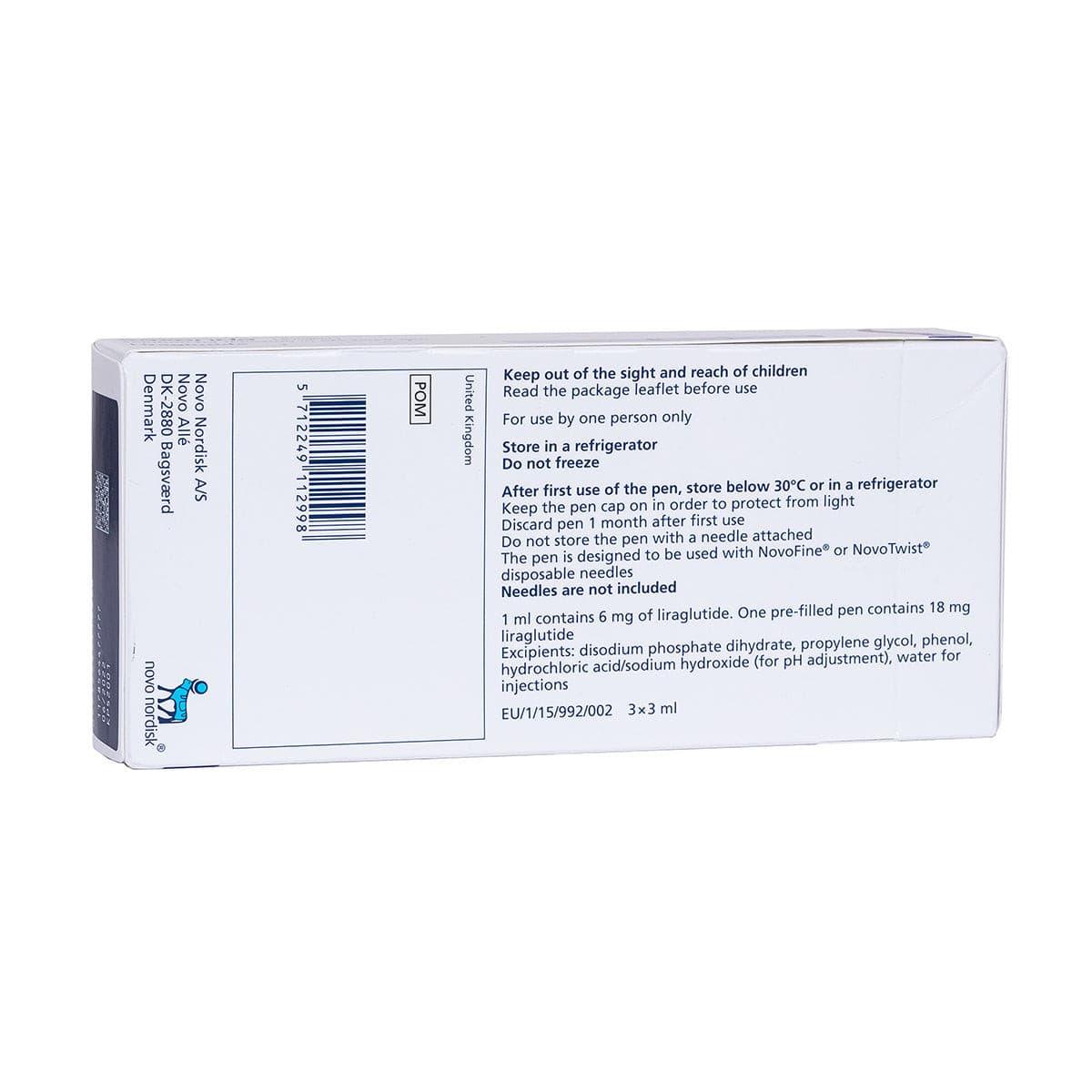
What is weight loss?

Achieving weight loss is a primary objective for many individuals across the US who aim to enhance their overall health and well-being. This process entails deliberately reducing excess body fat by adopting a thoughtful blend of nutritional modifications, increased exercise, and significant lifestyle changes. More than just appearance, maintaining a healthy weight plays a crucial role in preventing and managing various obesity-related health issues, leading to a better quality of life.

These treatments have been developed to aid in your efforts to improve your weight management for the long term. With GLP-1's trailblazing the market into the future. With proven results worldwide, they are a viable option for anyone seeking to improve their livelihood.

Take your first steps with Médetone LLC today.

Test your elibility

Browse the collection

Explore our range of weight loss solutions.
4.2
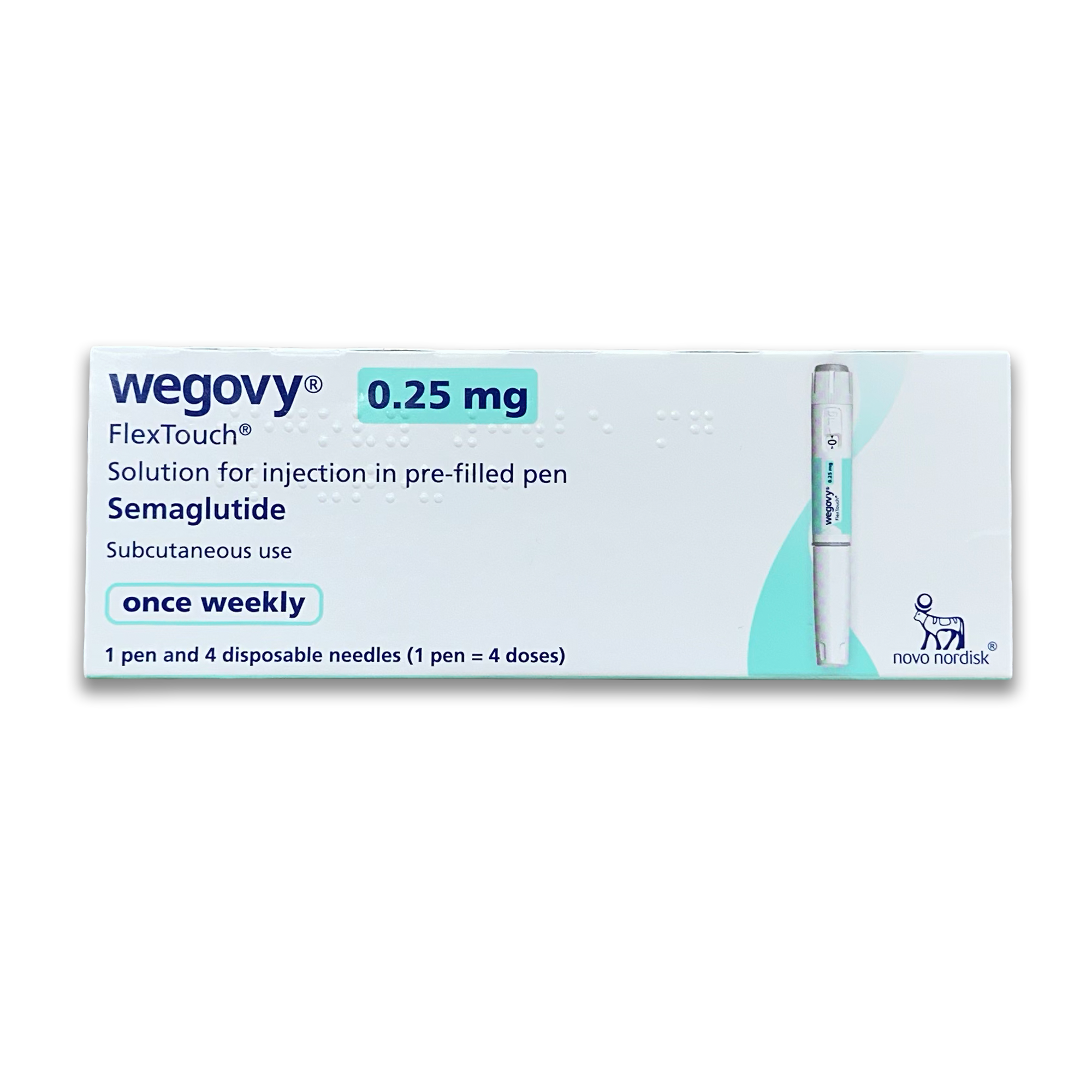
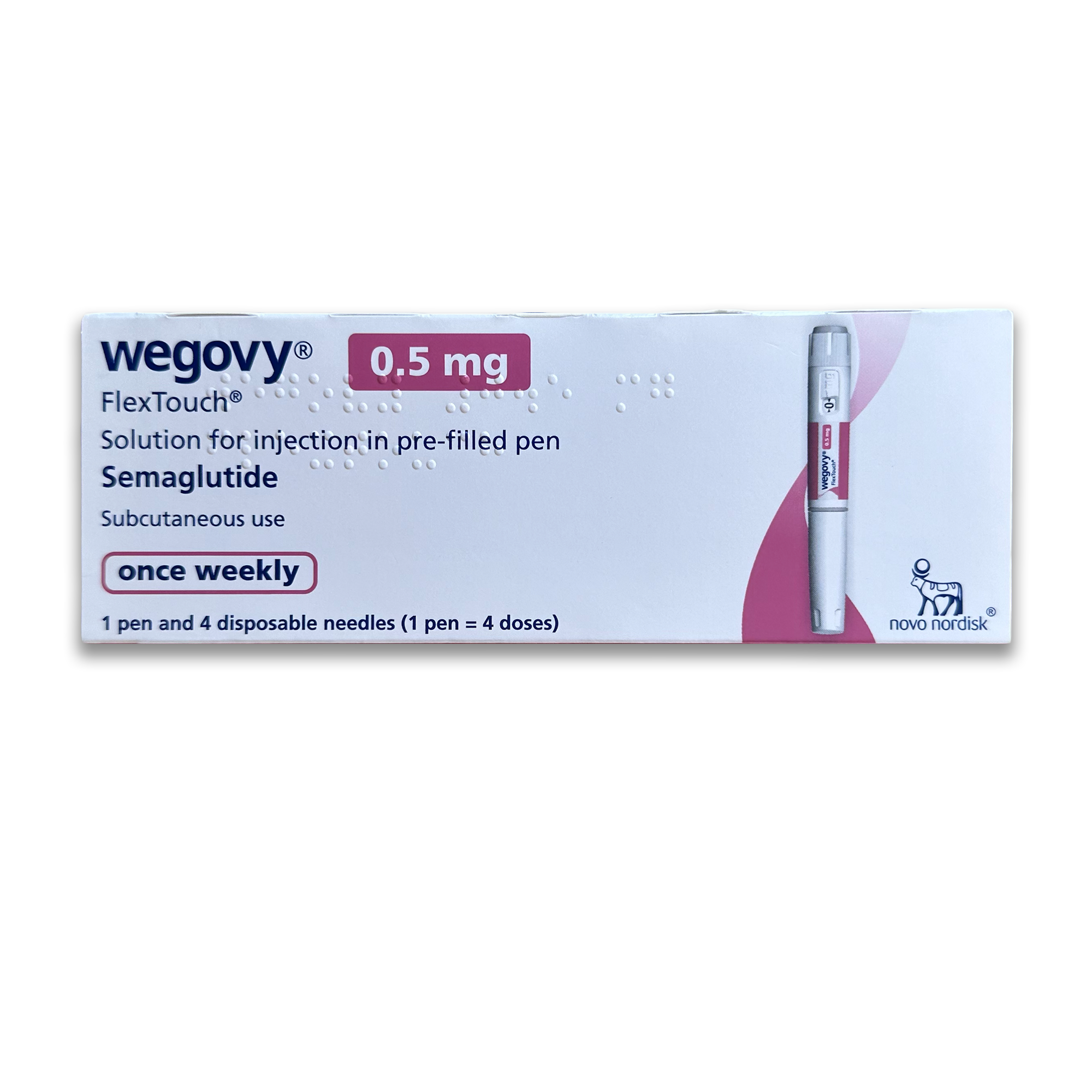
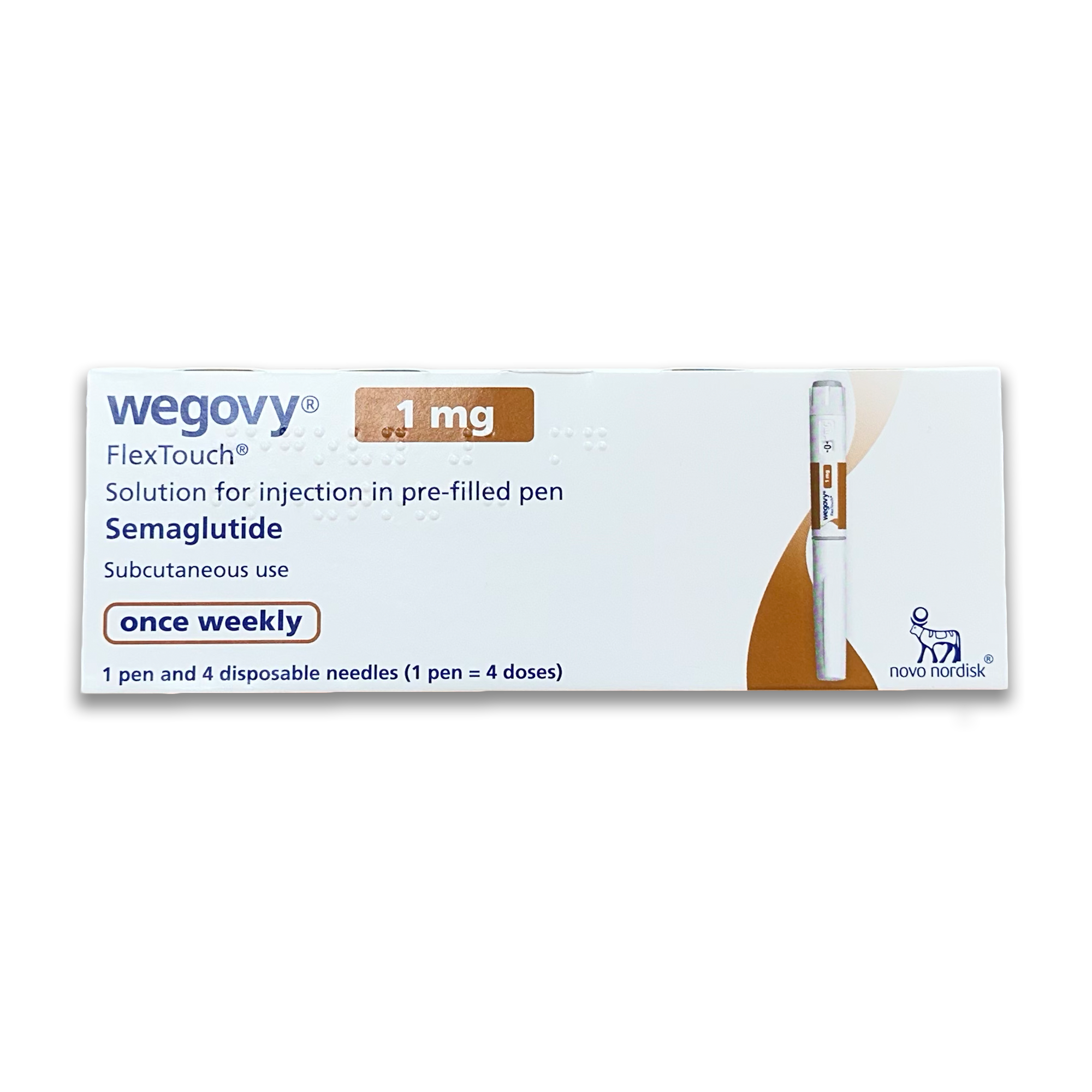
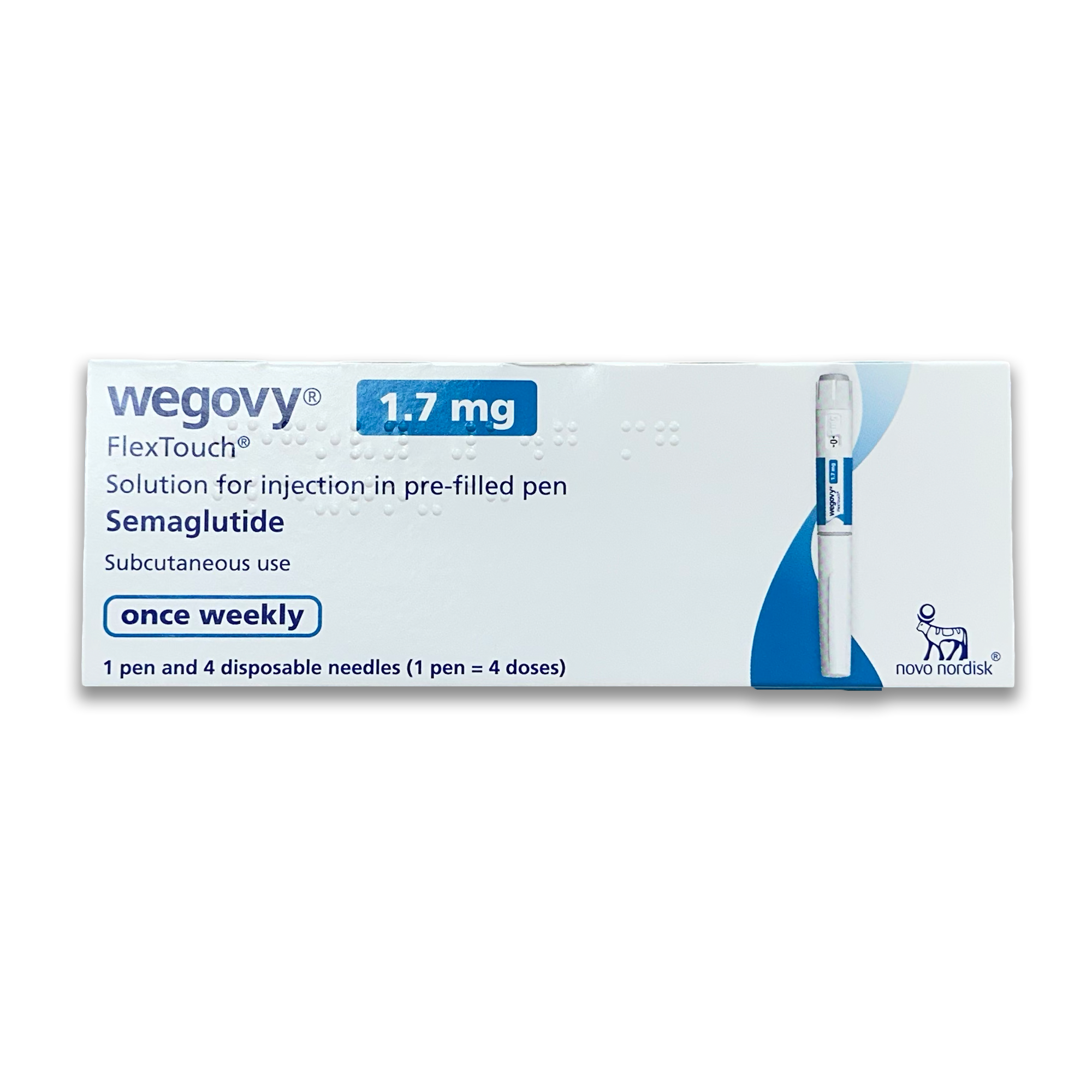
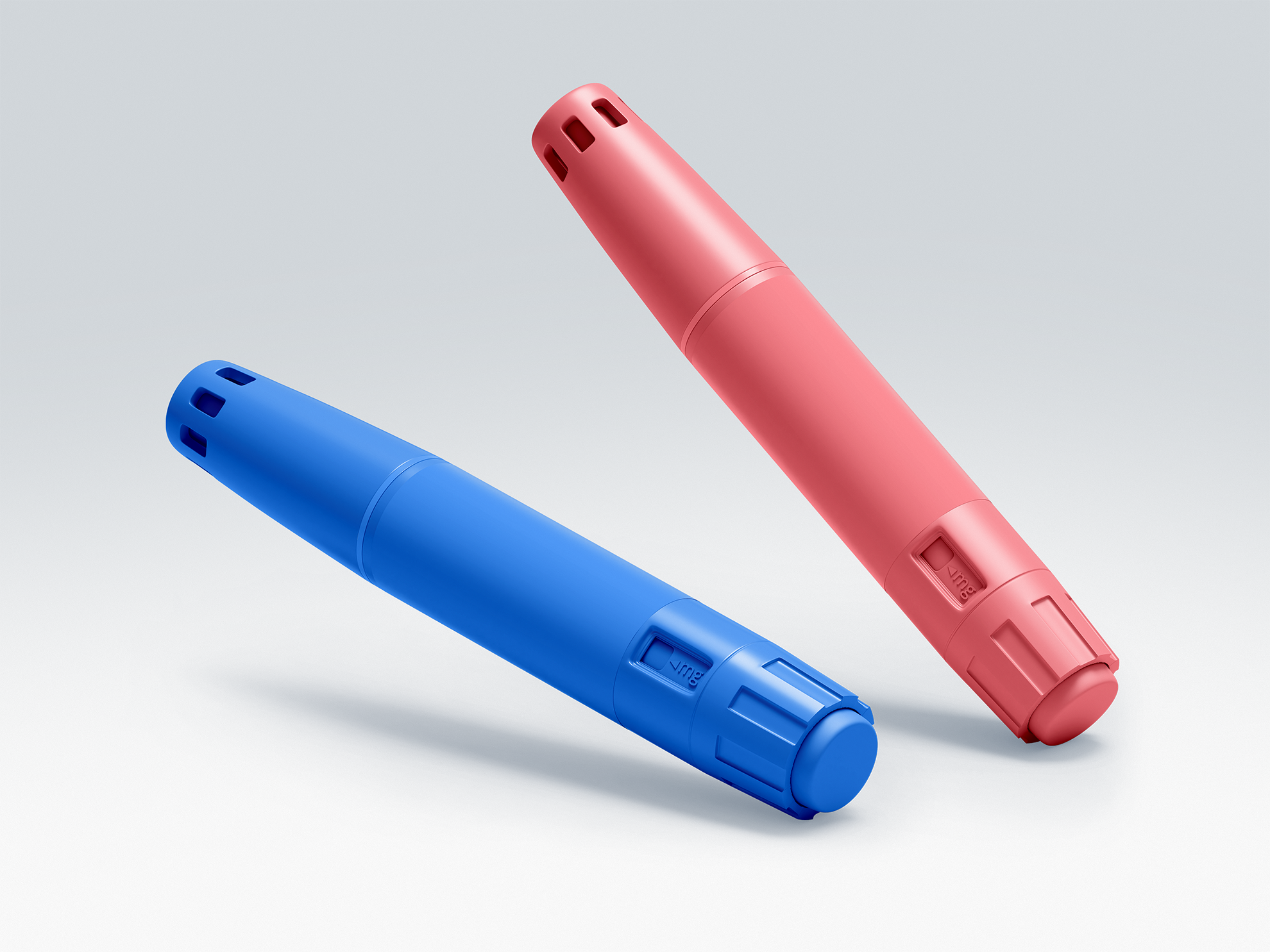
Wegovy (Semaglutide) Injections
5.0
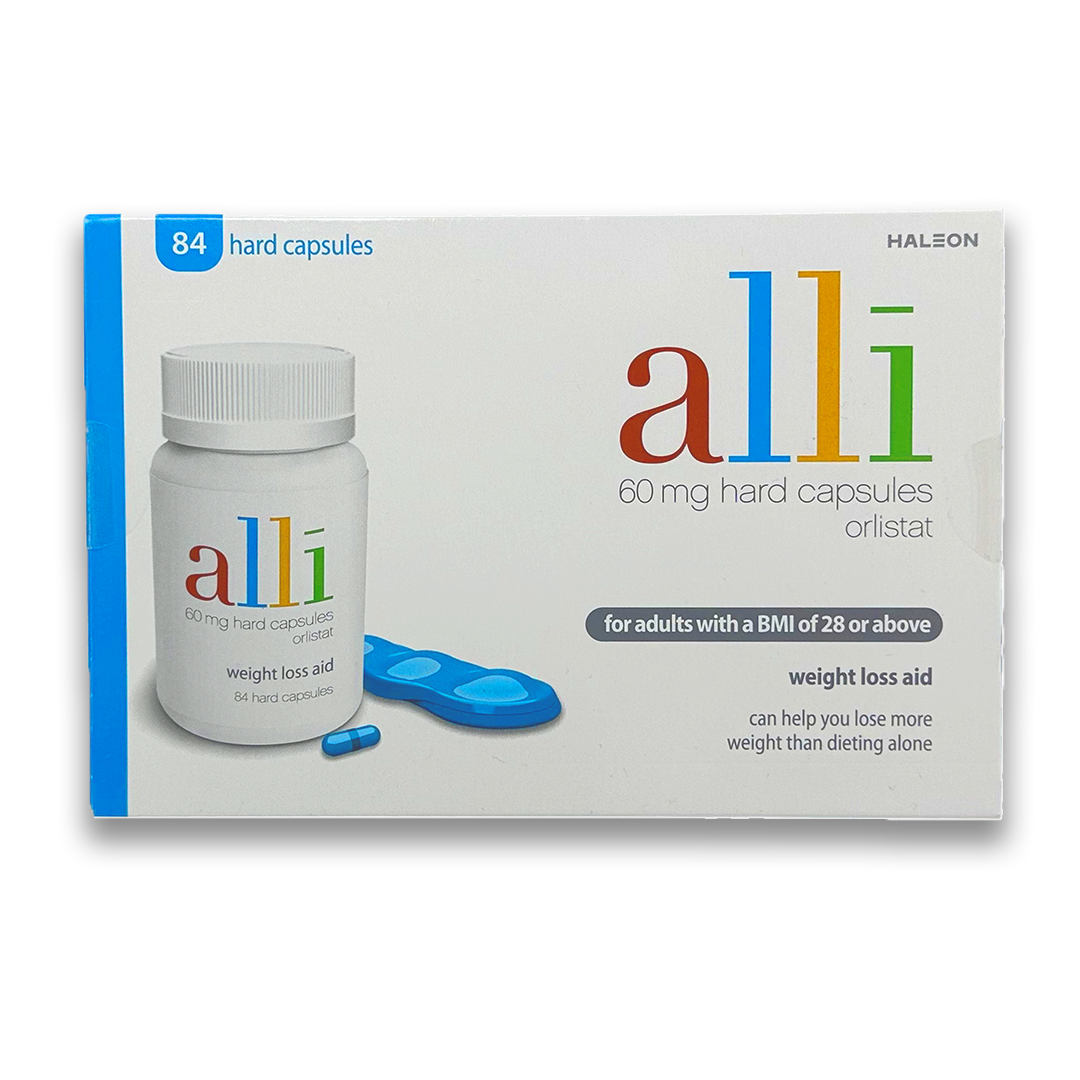
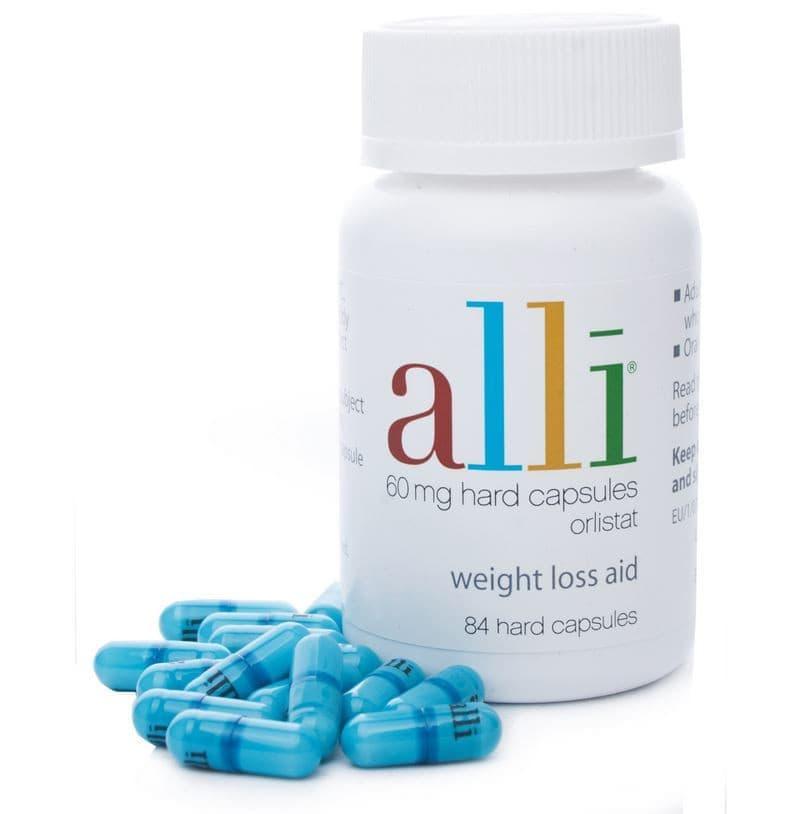
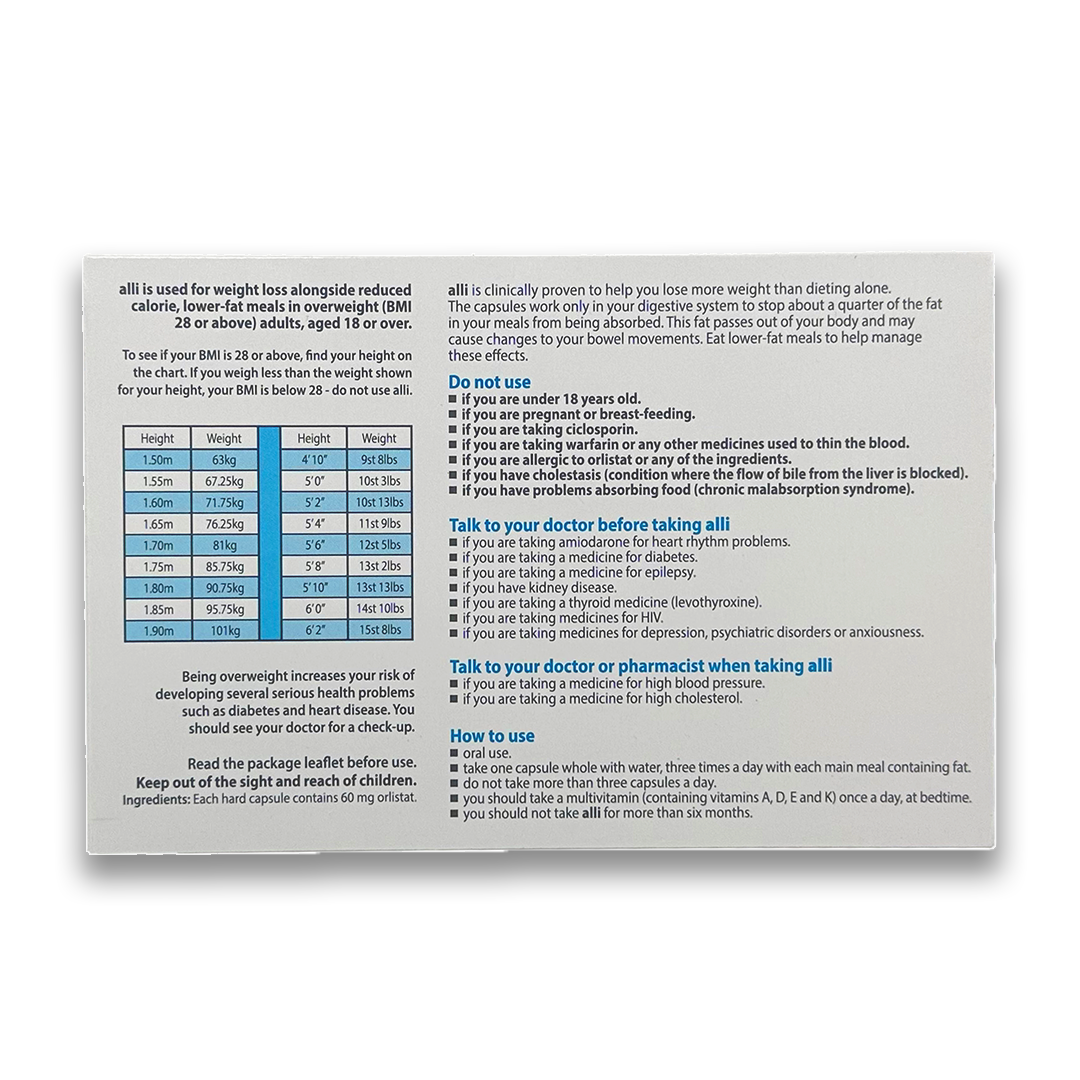
Alli 60mg Capsules
Vendor:Haleon
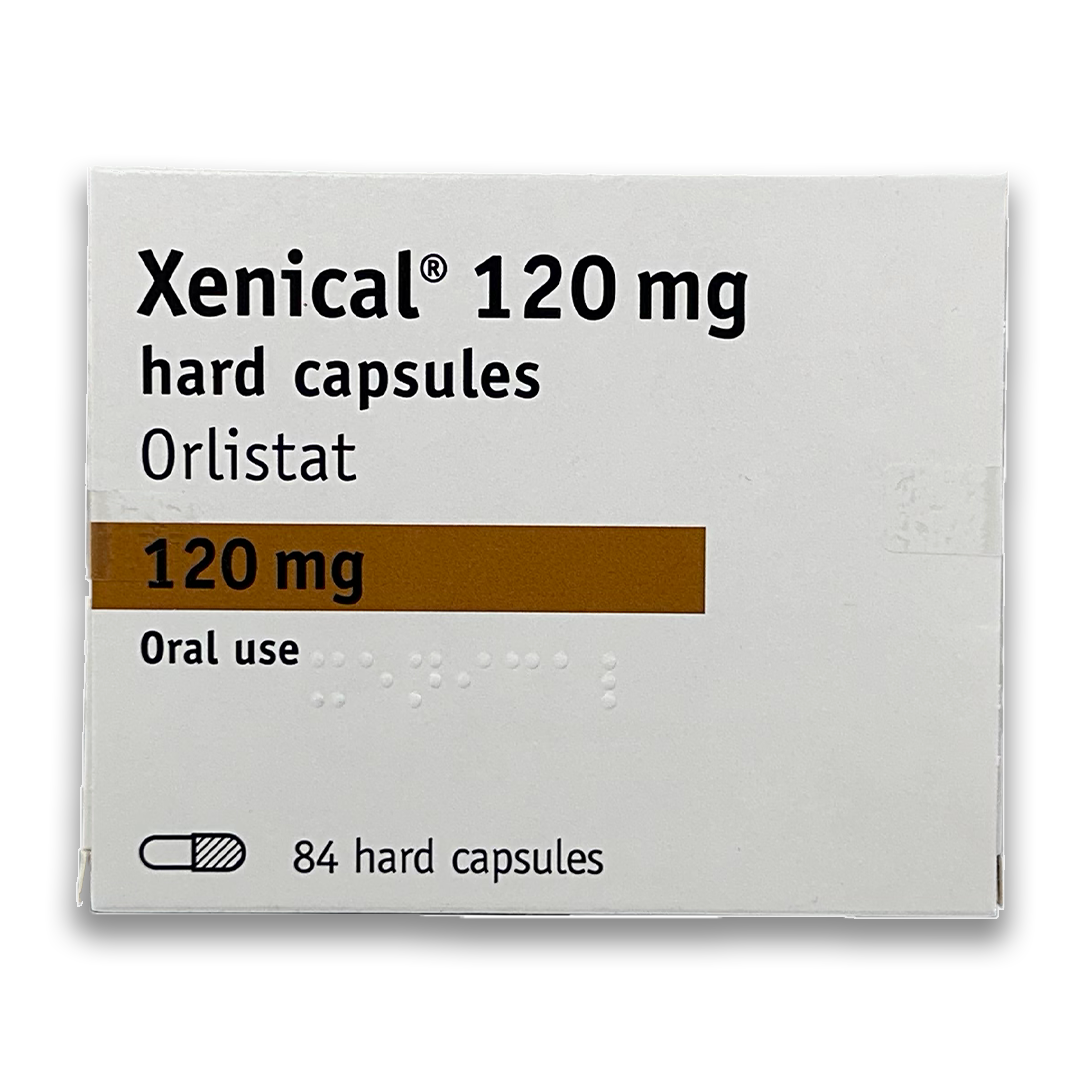
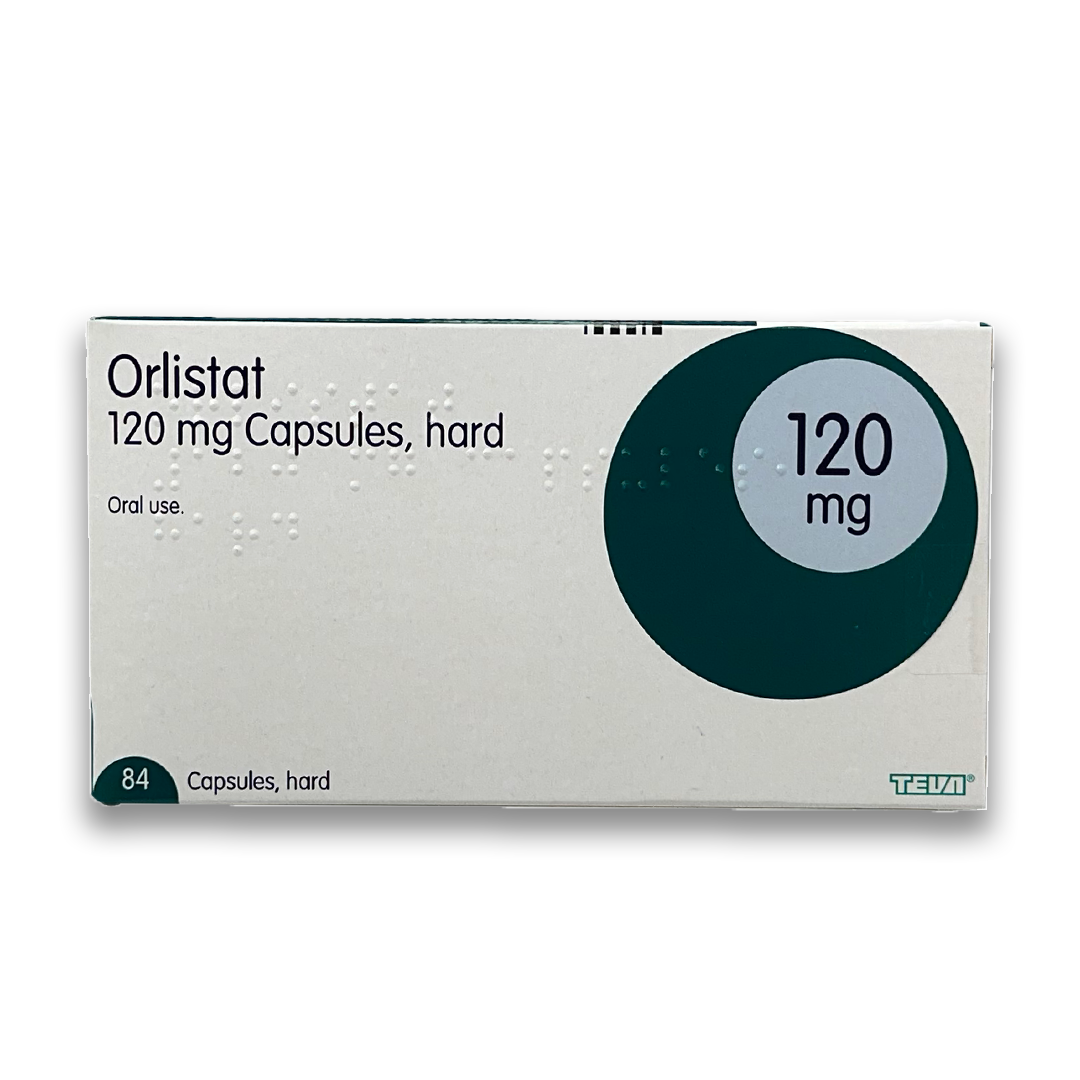
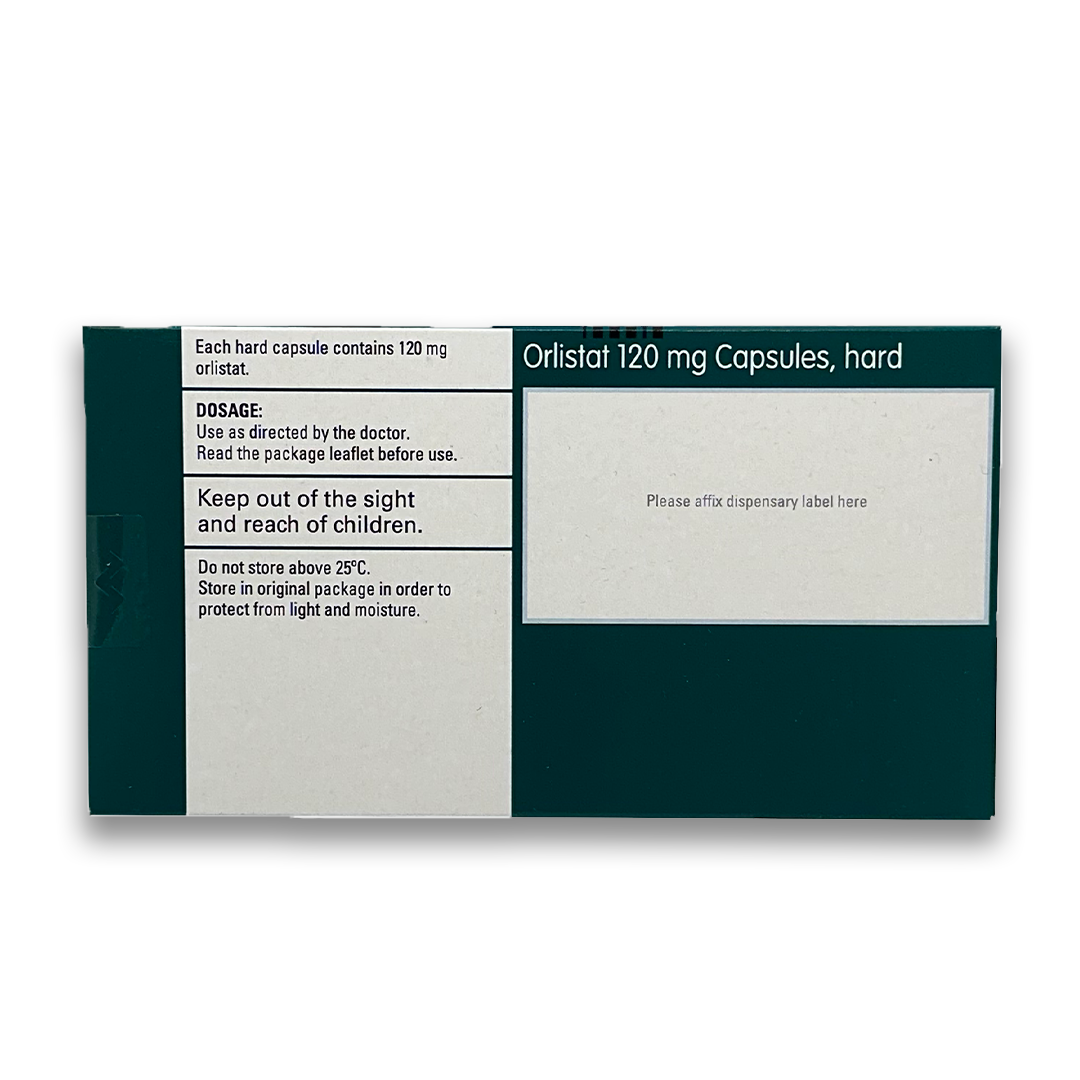
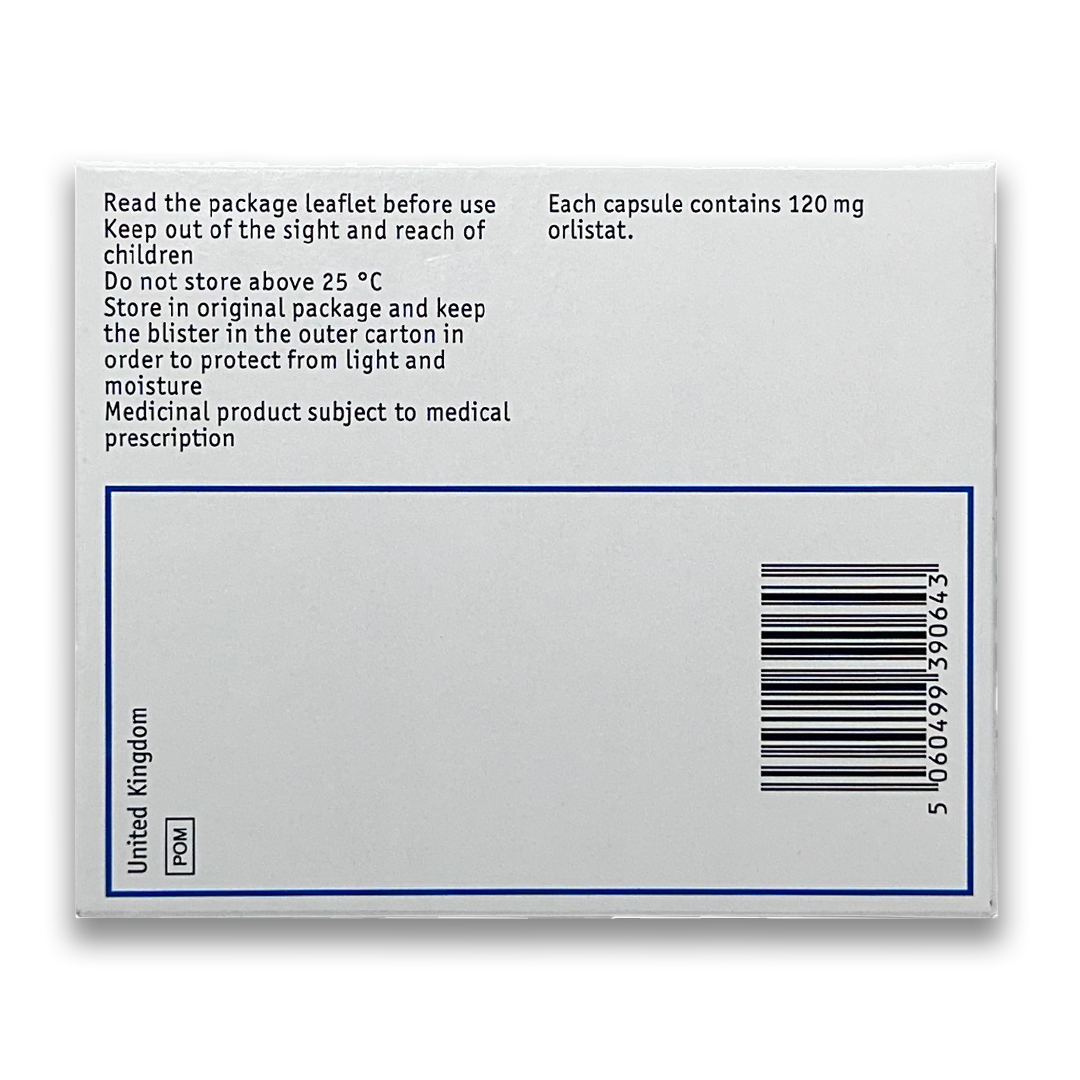
Orlistat 120mg Capsules
Vendor:TEVA
Xenical
Vendor:NEON

Xenical

£39.99
5.0
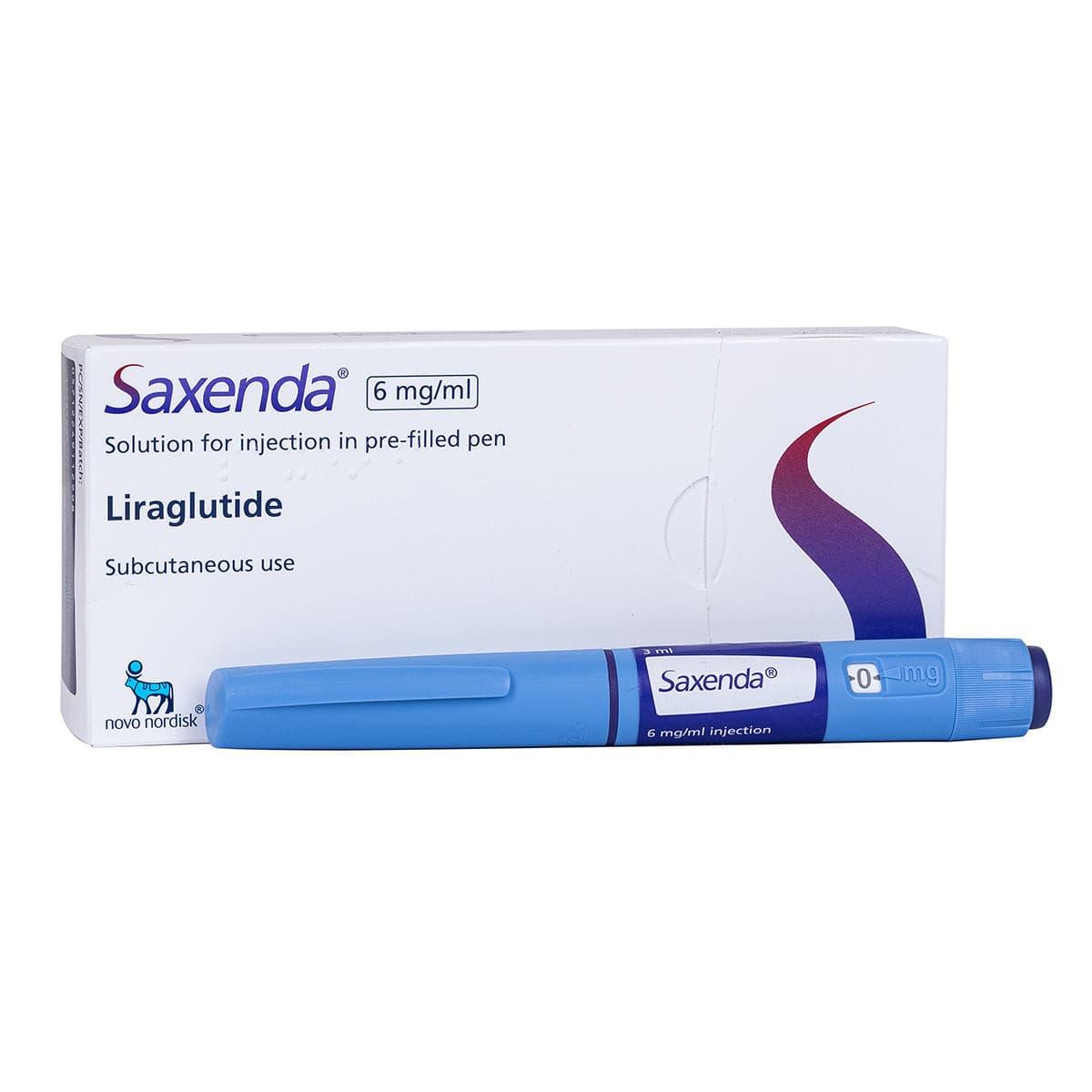
Saxenda - Rightangled
Vendor:Novo Nordisk

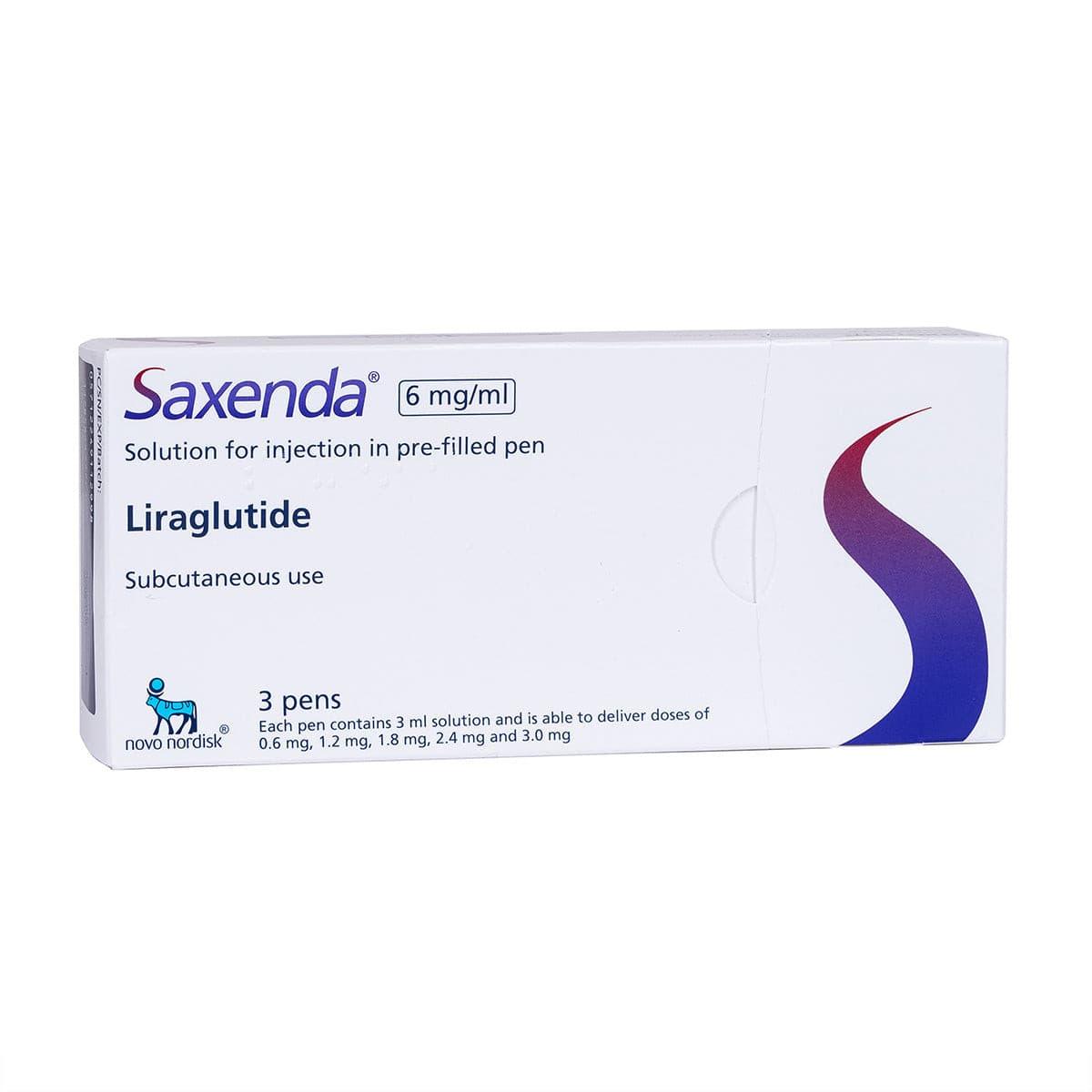
Saxenda

£79.99

Start your Consultation

Start your consultation on the condition page to check your eligibility.

Test your eligibility

The Consultation Process

How does the online consultation work?

To begin, you’ll fill out a secure online questionnaire designed to gather important details about your health and weight loss objectives. This information enables our licensed healthcare providers to evaluate your suitability for treatment. After submitting the questionnaire, your answers will be thoroughly reviewed, and if necessary, a clinician may reach out to you for further clarification. Once approved, a prescription will be issued, and your treatment will be dispatched from our pharmacy located on the East Coast.

Begin your Consultation

Will I need to schedule an appointment, or will someone contact me directly?

No appointment is required. The consultation is fully flexible and can be completed at any time that works best for you. You have the option to pause the questionnaire and return to it whenever you wish. Once submitted, one of our healthcare professionals will review your information within 24 hours. If you don’t hear back within that period, please reach out to us at info@medetone.com, and we’ll get back to you promptly.

Begin your Consultation

What is the cost of the online consultation?

The online consultation is entirely free of charge. Payment is only required if you qualify for treatment. If you are deemed ineligible, any payment made will be fully refunded. Additionally, you can have a preliminary, no-obligation conversation with a clinician to help identify the most suitable weight loss option for you.

Begin your Consultation

What are the key differences between Mounjaro & Wegovy?

What is Mounjaro?

The newest FDA-approved treatment for weight management and type 2 diabetes.

Includes tirzepatide, a medication that acts on two important hormones: GLP-1 and GIP.

This dual-action approach helps suppress appetite while also supporting better blood sugar regulation.

Intended to deliver improved results when used alongside lifestyle modifications.

What is Wegovy?

Approved for weight management in adults who are overweight or obese.

Contains semaglutide, a GLP-1 receptor agonist medication.

Works by mimicking a natural hormone that influences the brain’s appetite regulation centers.

Supports reduced hunger and calorie consumption to encourage long-term weight loss.

Are there treatment options available if I prefer not to use injectable medications?

How do the chemical compositions of oral treatments differ from those of injectable medications?

Although oral and injectable weight loss medications can contain the same active ingredient (like semaglutide), their chemical formulations are specifically tailored to their method of delivery. Injectable medications are administered directly into the bloodstream, while oral medications must withstand the digestive process, resulting in different designs to maintain their effectiveness.

Key distinctions include:

  • Injectables bypass the digestive tract, allowing for more efficient absorption; oral medications often require absorption enhancers.
  • Oral tablets are formulated with protective coatings and carriers to withstand stomach acid.
  • Injectables are often chemically more stable, especially for peptide-based drugs.
  • Injectables generally allow for higher drug levels in the blood.
  • Oral tablets contain more excipients (binders, coatings, etc.) than injectables.
Do oral medications offer the same effectiveness as injectable treatments?

Oral weight loss medications can be effective, but they don’t always function identically to injectable treatments. Even when containing the same active ingredient, oral medications are absorbed differently, which can slightly impact how much of the drug is available to work in the body.

That said, for many individuals, oral options offer a convenient and clinically effective alternative.

Key points:

  • Oral medications may deliver lower drug levels into the bloodstream compared to injectables.
  • Higher oral doses are often used to make up for reduced absorption.
  • Clinical trials show that oral semaglutide (like Rybelsus) can produce weight loss comparable to injections in some individuals.
  • For those who prefer to avoid injections, oral treatments provide an effective option when taken as directed and consistently.

Learn about Weight Loss

Reasons to Quit

There are compelling reasons to embark on the journey of smoking cessation:

- Improved Health: Quitting smoking reduces the risk of serious health problems such as lung cancer, heart disease, stroke, and chronic obstructive pulmonary disease (COPD).

- Increased Life Expectancy: Studies show that quitting smoking can add years to your life, enhancing overall longevity and quality of life.

- Enhanced Respiratory Function: Quitting smoking leads to improved lung function, making it easier to breathe and engage in physical activities.

- Financial Savings: The cost of smoking adds up over time. Quitting smoking not only saves money on tobacco products but also reduces healthcare expenses related to smoking-related illnesses.

- Protecting Loved Ones: Quitting smoking not only benefits your health but also reduces exposure to secondhand smoke, safeguarding the health of your family and friends.

How Long Till Results

The timeline for experiencing positive health effects after quitting smoking varies from person to person:

- Within 20 Minutes: Blood pressure and heart rate start to decrease, leading to improved circulation.

- Within 48 Hours: Carbon monoxide levels in the blood decrease, allowing more oxygen to reach the body's tissues.

- Within 72 Hours: Lung function begins to improve as bronchial tubes relax and airways open, making breathing easier.

- Within 2 to 12 Weeks: Circulation and lung function continue to improve, enhancing physical stamina and reducing coughing and shortness of breath.

- Within 1 to 9 Months: Cilia (hair-like structures) in the lungs regain normal function, leading to better lung clearance and a decreased risk of infections.

- Within 1 Year: The risk of coronary heart disease is significantly reduced compared to that of a current smoker.
Within 5 Years: The risk of stroke and various cancers (mouth, throat, esophagus, bladder, etc.) decreases.

- Within 10 Years: The risk of dying from lung cancer is about half that of a current smoker, and the risk of other smoking-related cancers continues to decline.

- Within 15 Years: The risk of heart disease approaches that of a nonsmoker.

Treatments

Various evidence-based treatments are available to assist individuals in their journey to quit smoking:

- Nicotine Replacement Therapy (NRT): NRT provides controlled doses of nicotine to alleviate withdrawal symptoms. It includes nicotine gum, patches, lozenges, inhalers, and nasal sprays.

- Prescription Medications: Certain prescription medications, such as varenicline and bupropion, can help reduce nicotine cravings and withdrawal symptoms.

- Behavioral Support: Counseling, individual or group therapy, and cognitive behavioral therapy (CBT) can provide strategies to cope with triggers and develop healthier habits.

- Mobile Apps and Online Programs: Digital tools and apps offer interactive support, track progress, and provide motivation to quit.

- Mindfulness and Stress-Reduction Techniques: Practices like meditation, yoga, and deep breathing can help manage stress and reduce the urge to smoke.

Alternatives

While quitting smoking is the best approach for improving health, some individuals may consider alternative options to reduce harm:

- E-cigarettes (Vaping): E-cigarettes deliver nicotine through vapor, potentially reducing exposure to harmful chemicals found in traditional cigarettes. However, long-term health effects are still being studied.

- Nicotine-Free Alternatives: Smokeless tobacco products and nicotine-free vape products offer options for individuals seeking to avoid nicotine while replicating the smoking experience.

- Behavioral Therapies: Engaging in behavioral therapies, support groups, and counseling can aid in reducing tobacco use and transitioning to a smoke-free lifestyle.

- Gradual Reduction: Gradually reducing the number of cigarettes smoked each day can be a step toward quitting. However, this method may not be effective for everyone and should be approached with caution.

In conclusion, smoking cessation is a crucial step toward achieving improved health and overall well-being. Quitting smoking offers numerous benefits, from better lung function to a decreased risk of serious illnesses. Various treatments and alternatives are available to support individuals on their journey to quit smoking, and the positive health effects begin to manifest shortly after quitting. Consulting healthcare professionals and utilizing evidence-based strategies can greatly enhance the chances of successfully quitting smoking and enjoying a smoke-free life.

Further info

Read more about Smoking Cessation on NHS website, following the link below:

https://www.nhs.uk/conditions/stop-smoking-treatments/

FAQs

Is it ever too late to quit smoking, especially if I've been a long-term smoker?

It's never too late to quit smoking. Regardless of how long you've smoked, quitting can still provide significant health benefits. While quitting earlier may lead to more immediate improvements, such as reduced risks of certain diseases, quitting at any stage can lead to positive outcomes for your health and well-being.

What are some common withdrawal symptoms that individuals may experience when quitting smoking?

Withdrawal symptoms can vary but may include irritability, cravings, difficulty concentrating, increased appetite, and mood changes. These symptoms are temporary and tend to subside over time. Nicotine replacement therapy (NRT) and other smoking cessation aids can help manage these symptoms and make the quitting process more manageable.

Can secondhand smoke exposure affect my efforts to quit smoking?

Yes, exposure to secondhand smoke can potentially trigger cravings and make quitting more challenging. It's important to minimize exposure to secondhand smoke, especially during the early stages of quitting. Creating smoke-free environments at home, work, and social settings can help support your efforts to quit and protect your health.

Are there any long-term strategies to help prevent relapse after successfully quitting smoking?

Relapse prevention is a crucial aspect of smoking cessation. Strategies include identifying triggers, developing coping mechanisms for stress and cravings, staying active and engaged in healthy activities, seeking ongoing support from healthcare professionals or support groups, and celebrating milestones in your smoke-free journey. Remember that relapse doesn't mean failure; it's a common challenge that can be overcome with determination and support.

Read up on the latest in Weight Loss

Ready to start your weight loss journey? Get your personalized consultation today!
Start Consultation