What is weight loss?

Achieving weight loss is a primary objective for many individuals across the US who aim to enhance their overall health and well-being. This process entails deliberately reducing excess body fat by adopting a thoughtful blend of nutritional modifications, increased exercise, and significant lifestyle changes. More than just appearance, maintaining a healthy weight plays a crucial role in preventing and managing various obesity-related health issues, leading to a better quality of life.

These treatments have been developed to aid in your efforts to improve your weight management for the long term. With GLP-1's trailblazing the market into the future. With proven results worldwide, they are a viable option for anyone seeking to improve their livelihood.

Take your first steps with Médetone LLC today.

Test your elibility

Browse the collection

Explore our range of weight loss solutions.

4.2
Wegovy (Semaglutide) Injections
5.0
Alli 60mg Capsules
Vendor:Haleon
Orlistat 120mg Capsules
Vendor:TEVA
Xenical
Vendor:NEON

Xenical

£39.99
5.0
Saxenda - Rightangled
Vendor:Novo Nordisk

Saxenda

£79.99

Start your Consultation

Start your consultation on the condition page to check your eligibility.

Test your eligibility

The Consultation Process

How does the online consultation work?

To begin, you’ll fill out a secure online questionnaire designed to gather important details about your health and weight loss objectives. This information enables our licensed healthcare providers to evaluate your suitability for treatment. After submitting the questionnaire, your answers will be thoroughly reviewed, and if necessary, a clinician may reach out to you for further clarification. Once approved, a prescription will be issued, and your treatment will be dispatched from our pharmacy located on the East Coast.

Begin your Consultation

Will I need to schedule an appointment, or will someone contact me directly?

No appointment is required. The consultation is fully flexible and can be completed at any time that works best for you. You have the option to pause the questionnaire and return to it whenever you wish. Once submitted, one of our healthcare professionals will review your information within 24 hours. If you don’t hear back within that period, please reach out to us at info@medetone.com, and we’ll get back to you promptly.

Begin your Consultation

What is the cost of the online consultation?

The online consultation is entirely free of charge. Payment is only required if you qualify for treatment. If you are deemed ineligible, any payment made will be fully refunded. Additionally, you can have a preliminary, no-obligation conversation with a clinician to help identify the most suitable weight loss option for you.

Begin your Consultation

What are the key differences between Mounjaro & Wegovy?

What is Mounjaro?

The newest FDA-approved treatment for weight management and type 2 diabetes.

Includes tirzepatide, a medication that acts on two important hormones: GLP-1 and GIP.

This dual-action approach helps suppress appetite while also supporting better blood sugar regulation.

Intended to deliver improved results when used alongside lifestyle modifications.

What is Wegovy?

Approved for weight management in adults who are overweight or obese.

Contains semaglutide, a GLP-1 receptor agonist medication.

Works by mimicking a natural hormone that influences the brain’s appetite regulation centers.

Supports reduced hunger and calorie consumption to encourage long-term weight loss.

Are there treatment options available if I prefer not to use injectable medications?

How do the chemical compositions of oral treatments differ from those of injectable medications?

Although oral and injectable weight loss medications can contain the same active ingredient (like semaglutide), their chemical formulations are specifically tailored to their method of delivery. Injectable medications are administered directly into the bloodstream, while oral medications must withstand the digestive process, resulting in different designs to maintain their effectiveness.

Key distinctions include:

  • Injectables bypass the digestive tract, allowing for more efficient absorption; oral medications often require absorption enhancers.
  • Oral tablets are formulated with protective coatings and carriers to withstand stomach acid.
  • Injectables are often chemically more stable, especially for peptide-based drugs.
  • Injectables generally allow for higher drug levels in the blood.
  • Oral tablets contain more excipients (binders, coatings, etc.) than injectables.
Do oral medications offer the same effectiveness as injectable treatments?

Oral weight loss medications can be effective, but they don’t always function identically to injectable treatments. Even when containing the same active ingredient, oral medications are absorbed differently, which can slightly impact how much of the drug is available to work in the body.

That said, for many individuals, oral options offer a convenient and clinically effective alternative.

Key points:

  • Oral medications may deliver lower drug levels into the bloodstream compared to injectables.
  • Higher oral doses are often used to make up for reduced absorption.
  • Clinical trials show that oral semaglutide (like Rybelsus) can produce weight loss comparable to injections in some individuals.
  • For those who prefer to avoid injections, oral treatments provide an effective option when taken as directed and consistently.

Learn about Weight Loss

Causes

Erectile dysfunction can have a range of causes, including:

Physical Factors: Underlying medical conditions such as diabetes, high blood pressure, heart disease, and obesity can affect blood flow and nerve function, leading to ED.

Neurological Factors: Nerve damage from conditions like multiple sclerosis or after certain surgeries can interfere with the signals required for an erection.

Hormonal Imbalances: Low testosterone levels can contribute to erectile difficulties.

Psychological Factors: Stress, anxiety, depression, and relationship problems can impact sexual desire and performance.

Lifestyle Factors: Smoking, excessive alcohol consumption, drug use, and a sedentary lifestyle can contribute to ED.

Diagnosis

Diagnosing erectile dysfunction involves a thorough assessment by a healthcare professional. The diagnostic process may include:

Medical History: Discussing overall health, medications, lifestyle habits, and sexual history to identify potential causes of ED.

Physical Examination: A physical exam may be conducted to check for any physical abnormalities, such as penile curvature or nerve sensation.

Blood Tests: Laboratory tests to measure hormone levels, blood sugar, and cholesterol levels can provide insights into potential underlying conditions.

Psychological Evaluation: Assessing psychological factors and emotional well-being to understand any psychological contributions to ED.

Treatments

Numerous treatment options are available to address erectile dysfunction and improve sexual function:

Oral Medications:
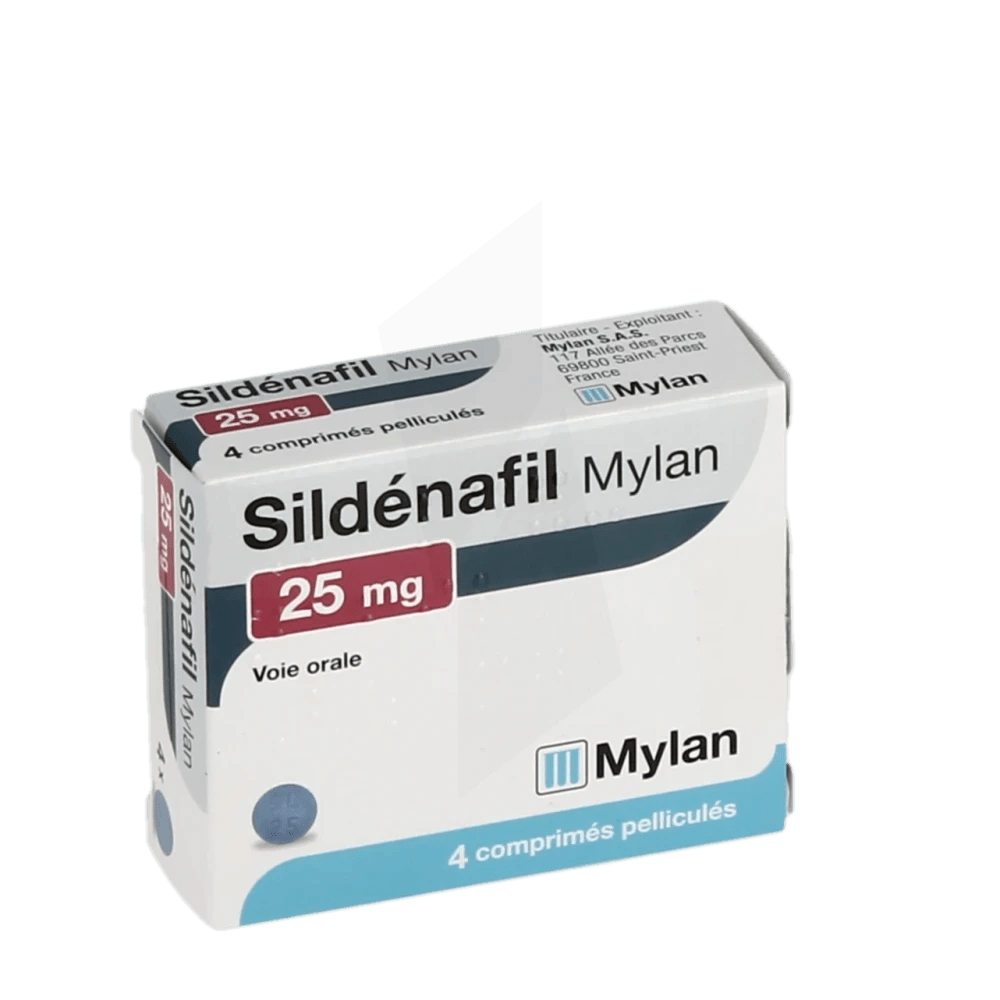
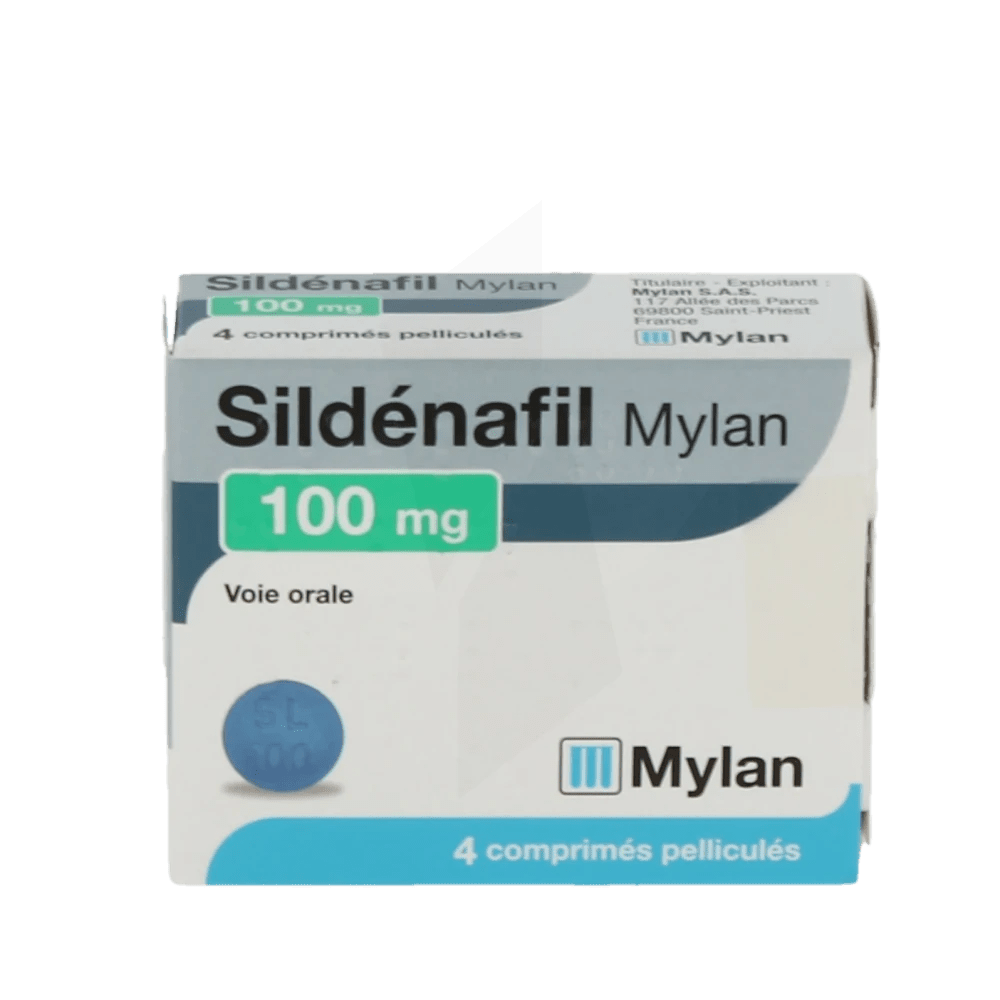
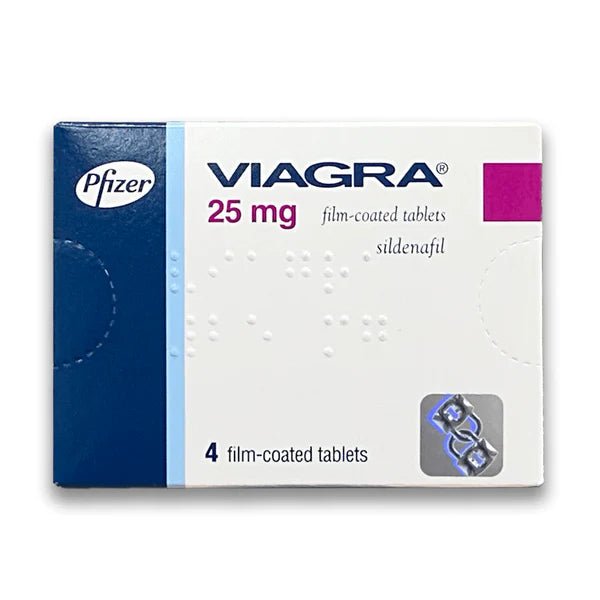
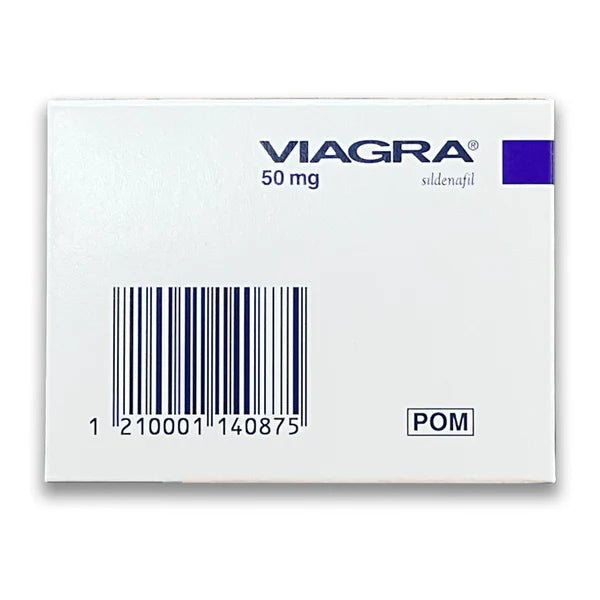
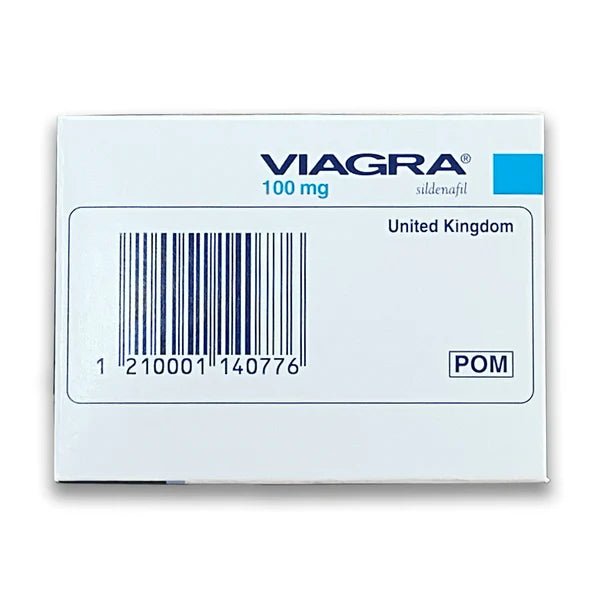
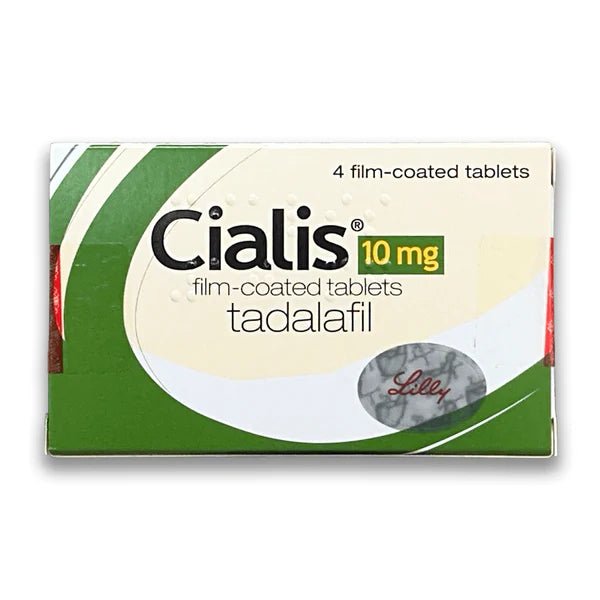
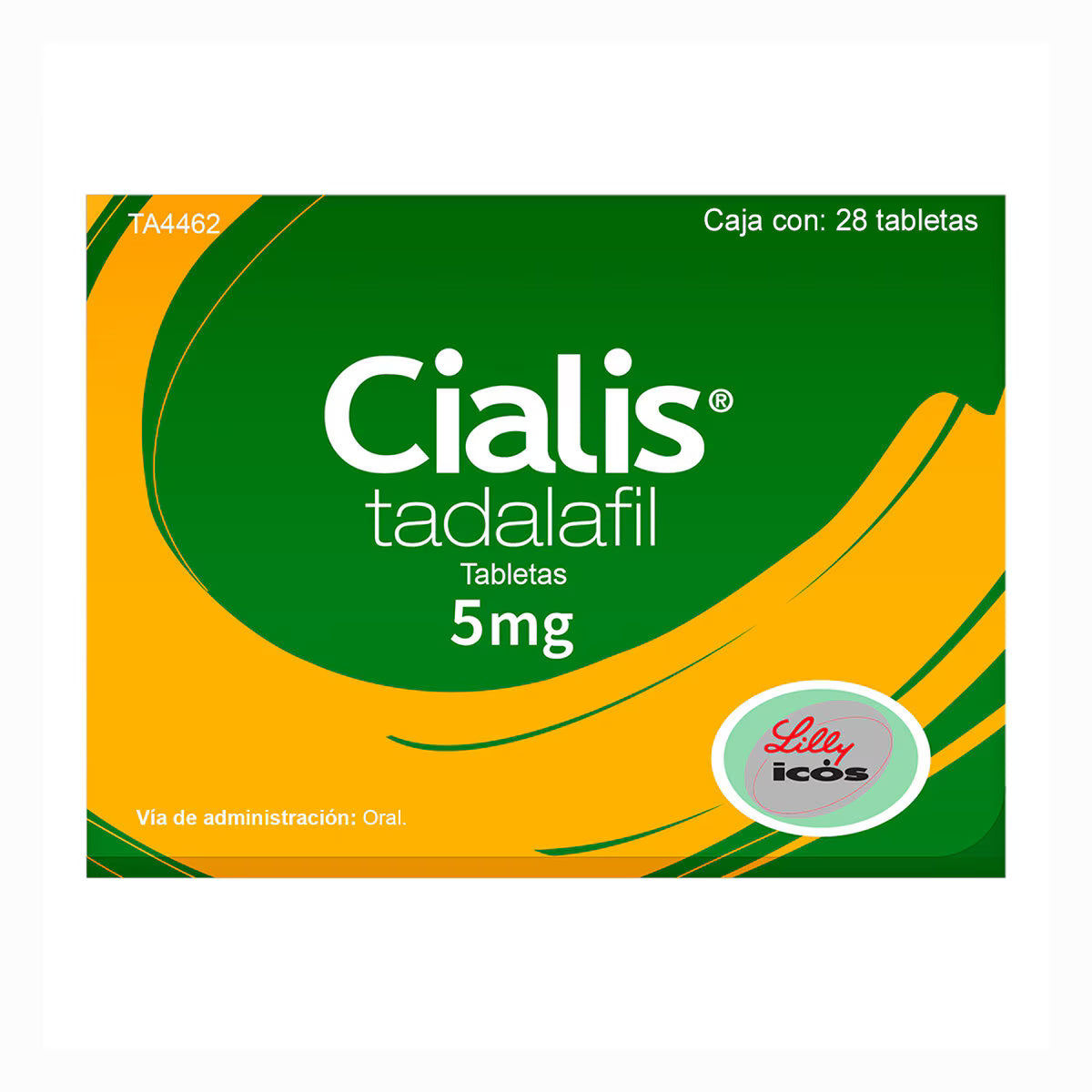
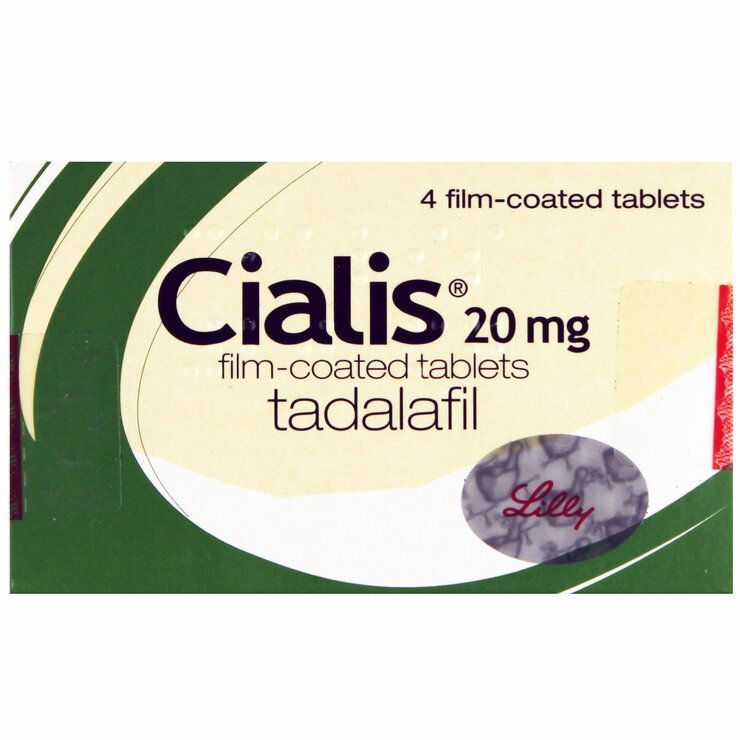
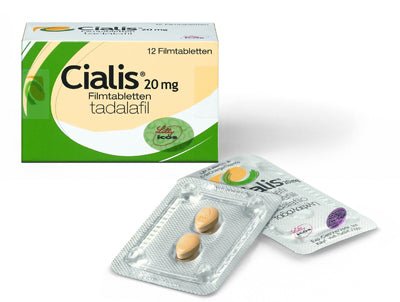
Phosphodiesterase-5 (PDE5) Inhibitors: Medications like sildenafil (Viagra), tadalafil (Cialis), and vardenafil (Levitra) enhance blood flow to the penis, facilitating erections.

Vacuum Devices: Vacuum erection devices create a vacuum around the penis, drawing blood into the erectile tissues and promoting an erection. A constriction band is then placed at the base of the penis to maintain the erection.

Injections and Urethral Suppositories: Medications can be injected directly into the penis or inserted into the urethra to induce an erection.

Hormone Therapy: Hormone replacement therapy, particularly testosterone replacement, may be considered for men with low testosterone levels.
Psychotherapy and Counseling: Addressing psychological factors through individual or couples therapy can help manage ED caused by stress, anxiety, or relationship issues.

Prevention

While some factors contributing to erectile dysfunction may be beyond control, there are steps that can be taken to reduce the risk:

Healthy Lifestyle: Maintaining a balanced diet, engaging in regular exercise, and managing weight can improve overall cardiovascular health and reduce the risk of ED.

Moderate Alcohol Consumption: Limiting alcohol intake can help prevent ED, as excessive alcohol can interfere with sexual function.

Smoking Cessation: Quitting smoking can improve blood flow and overall vascular health, reducing the risk of ED.

Stress Management: Practicing stress-reduction techniques like mindfulness, meditation, and relaxation exercises can positively impact sexual function.

Further Info

Read more about Erectile Dysfunction on the NHS website, following the link below:

https://www.nhs.uk/conditions/erection-problems-erectile-dysfunction/

https://www.nhs.uk/conditions/loss-of-libido/

https://www.nhs.uk/service-search/sexual-health/find-a-sexual-health-clinic

FAQs

Can psychological factors alone cause erectile dysfunction?

Yes, psychological factors such as stress, anxiety, depression, and relationship issues can contribute to erectile dysfunction. These factors can affect sexual desire, arousal, and performance. It's important to consider both physical and psychological aspects when assessing and treating erectile dysfunction. Consulting a healthcare professional can help determine the underlying causes and appropriate treatment approach.

Are there any natural remedies for erectile dysfunction?

Some natural remedies and lifestyle changes may help improve erectile function. Consuming a balanced diet, engaging in regular exercise, managing stress, and getting adequate sleep can contribute to overall sexual health. Additionally, certain herbs and supplements, such as ginseng, L-arginine, and horny goat weed, have been studied for their potential benefits. However, it's crucial to consult a healthcare provider before using any natural remedies, as their effectiveness and safety vary.

Can medication side effects contribute to erectile dysfunction?

Yes, certain medications can have side effects that affect sexual function and contribute to erectile dysfunction. Medications for high blood pressure, antidepressants, antihistamines, and some pain medications are examples of drugs that may impact erectile function. If you suspect that medication side effects are causing or worsening erectile dysfunction, it's important to discuss your concerns with a healthcare provider. They can assess your medications and recommend potential alternatives.

At what age does erectile dysfunction commonly occur?

Erectile dysfunction can affect men of various ages, but its prevalence tends to increase with age. While it is more common among older men, it's essential to note that erectile dysfunction is not an inevitable part of aging. Younger men can also experience ED due to factors such as stress, performance anxiety, or underlying health conditions. If you're experiencing erectile difficulties at any age, consulting a healthcare provider can help identify the causes and explore appropriate treatments.

Read up on the latest in Weight Loss

Ready to start your weight loss journey? Get your personalized consultation today!
Start Consultation