What is weight loss?

Achieving weight loss is a primary objective for many individuals across the US who aim to enhance their overall health and well-being. This process entails deliberately reducing excess body fat by adopting a thoughtful blend of nutritional modifications, increased exercise, and significant lifestyle changes. More than just appearance, maintaining a healthy weight plays a crucial role in preventing and managing various obesity-related health issues, leading to a better quality of life.

These treatments have been developed to aid in your efforts to improve your weight management for the long term. With GLP-1's trailblazing the market into the future. With proven results worldwide, they are a viable option for anyone seeking to improve their livelihood.

Take your first steps with Médetone LLC today.

Test your elibility

Browse the collection

Explore our range of weight loss solutions.

4.2
Wegovy (Semaglutide) Injections
5.0
Alli 60mg Capsules
Vendor:Haleon
Orlistat 120mg Capsules
Vendor:TEVA
Xenical
Vendor:NEON

Xenical

£39.99
5.0
Saxenda - Rightangled
Vendor:Novo Nordisk

Saxenda

£79.99

Start your Consultation

Start your consultation on the condition page to check your eligibility.

Test your eligibility

The Consultation Process

How does the online consultation work?

To begin, you’ll fill out a secure online questionnaire designed to gather important details about your health and weight loss objectives. This information enables our licensed healthcare providers to evaluate your suitability for treatment. After submitting the questionnaire, your answers will be thoroughly reviewed, and if necessary, a clinician may reach out to you for further clarification. Once approved, a prescription will be issued, and your treatment will be dispatched from our pharmacy located on the East Coast.

Begin your Consultation

Will I need to schedule an appointment, or will someone contact me directly?

No appointment is required. The consultation is fully flexible and can be completed at any time that works best for you. You have the option to pause the questionnaire and return to it whenever you wish. Once submitted, one of our healthcare professionals will review your information within 24 hours. If you don’t hear back within that period, please reach out to us at info@medetone.com, and we’ll get back to you promptly.

Begin your Consultation

What is the cost of the online consultation?

The online consultation is entirely free of charge. Payment is only required if you qualify for treatment. If you are deemed ineligible, any payment made will be fully refunded. Additionally, you can have a preliminary, no-obligation conversation with a clinician to help identify the most suitable weight loss option for you.

Begin your Consultation

What are the key differences between Mounjaro & Wegovy?

What is Mounjaro?

The newest FDA-approved treatment for weight management and type 2 diabetes.

Includes tirzepatide, a medication that acts on two important hormones: GLP-1 and GIP.

This dual-action approach helps suppress appetite while also supporting better blood sugar regulation.

Intended to deliver improved results when used alongside lifestyle modifications.

What is Wegovy?

Approved for weight management in adults who are overweight or obese.

Contains semaglutide, a GLP-1 receptor agonist medication.

Works by mimicking a natural hormone that influences the brain’s appetite regulation centers.

Supports reduced hunger and calorie consumption to encourage long-term weight loss.

Are there treatment options available if I prefer not to use injectable medications?

How do the chemical compositions of oral treatments differ from those of injectable medications?

Although oral and injectable weight loss medications can contain the same active ingredient (like semaglutide), their chemical formulations are specifically tailored to their method of delivery. Injectable medications are administered directly into the bloodstream, while oral medications must withstand the digestive process, resulting in different designs to maintain their effectiveness.

Key distinctions include:

  • Injectables bypass the digestive tract, allowing for more efficient absorption; oral medications often require absorption enhancers.
  • Oral tablets are formulated with protective coatings and carriers to withstand stomach acid.
  • Injectables are often chemically more stable, especially for peptide-based drugs.
  • Injectables generally allow for higher drug levels in the blood.
  • Oral tablets contain more excipients (binders, coatings, etc.) than injectables.
Do oral medications offer the same effectiveness as injectable treatments?

Oral weight loss medications can be effective, but they don’t always function identically to injectable treatments. Even when containing the same active ingredient, oral medications are absorbed differently, which can slightly impact how much of the drug is available to work in the body.

That said, for many individuals, oral options offer a convenient and clinically effective alternative.

Key points:

  • Oral medications may deliver lower drug levels into the bloodstream compared to injectables.
  • Higher oral doses are often used to make up for reduced absorption.
  • Clinical trials show that oral semaglutide (like Rybelsus) can produce weight loss comparable to injections in some individuals.
  • For those who prefer to avoid injections, oral treatments provide an effective option when taken as directed and consistently.

Learn about Weight Loss

Causes

Hair loss can be attributed to a range of factors, including genetics, hormonal changes, medical conditions, medications, and lifestyle. One of the primary causes of hair loss is androgenetic alopecia, which is hereditary and commonly referred to as male-pattern baldness or female-pattern baldness. Hormonal changes, such as those that occur during pregnancy, childbirth, and menopause, can also lead to temporary hair loss.
Medical conditions like thyroid disorders, autoimmune diseases, and scalp infections can contribute to hair loss. Certain medications, such as those used for cancer treatment (chemotherapy), may result in temporary or permanent hair loss. Poor nutrition, stress, and excessive hairstyling practices can further exacerbate the condition.

Diagnosis

Diagnosing the underlying cause of hair loss involves a comprehensive assessment by a healthcare provider. During a consultation, the healthcare provider will review your medical history, perform a physical examination of the scalp and hair, and may order additional tests if necessary. These tests may include blood tests to check for hormonal imbalances or medical conditions that could be contributing to the hair loss.
A key aspect of diagnosis involves identifying the specific pattern of hair loss, which can provide valuable insights into the potential cause. Based on the diagnosis, the healthcare provider can recommend appropriate treatment options to address the underlying issue.

Treatments

Treatment options for hair loss vary depending on the underlying cause and individual preferences. It's important to note that while some treatments may promote hair regrowth, results can vary from person to person. Here are some commonly used treatments for hair loss:

- Topical Medications: Over-the-counter and prescription topical treatments containing minoxidil are often used to stimulate hair regrowth. These solutions are applied directly to the scalp and can slow down hair loss and, in some cases, promote new hair growth.

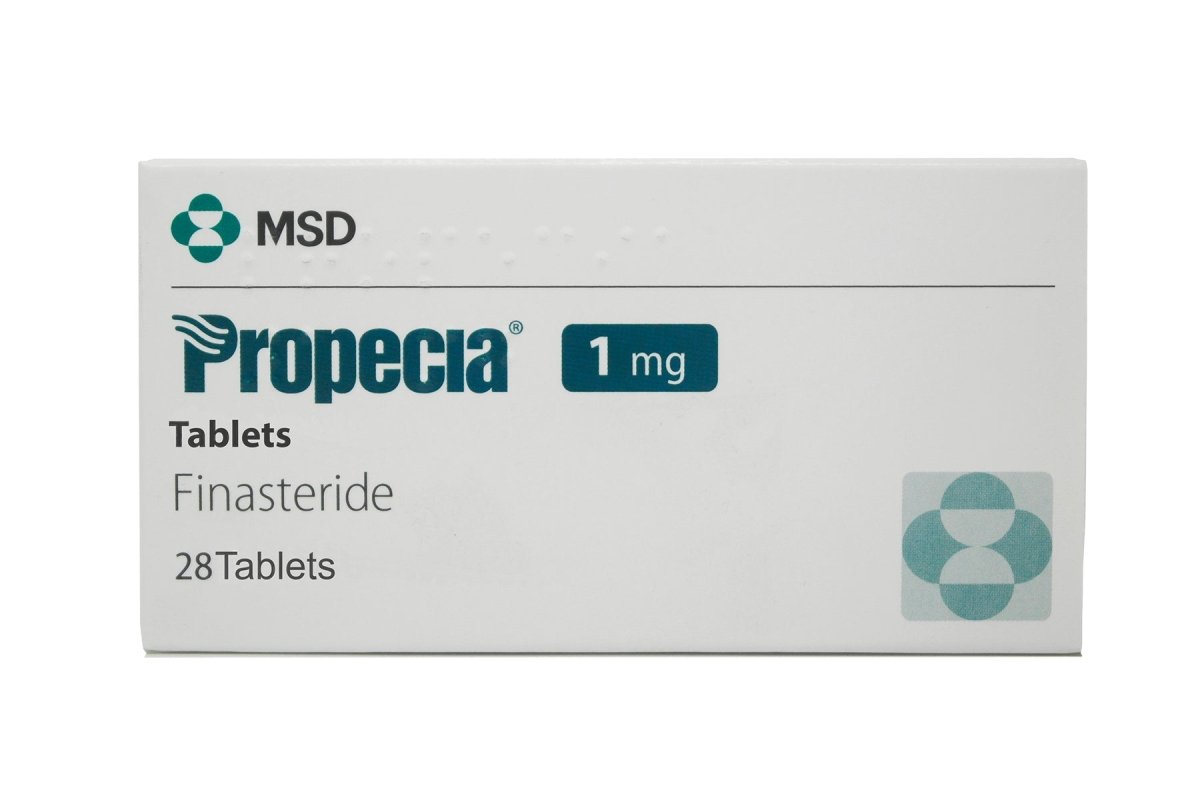
- Prescription Medications: Oral medications, such as finasteride, are prescribed to treat androgenetic alopecia. These medications work by inhibiting the hormone responsible for hair loss in certain individuals.

- Low-Level Laser Therapy (LLLT): LLLT devices emit red light that may help stimulate hair follicles and promote regrowth. These devices are available for home use or may be administered in clinical settings.

- Hair Transplant Surgery: Hair transplant procedures involve transplanting healthy hair follicles from one area of the body to the areas affected by hair loss. This surgical option is typically used for individuals with significant hair loss.

- Lifestyle Changes: Adopting a healthy lifestyle, including a balanced diet, stress management, and gentle hair care practices, can contribute to overall hair health and potentially slow down hair loss.

Prevention

While it may not always be possible to prevent hair loss, certain measures can promote hair health and minimize the risk of further loss:

- Healthy Diet: A well-balanced diet rich in vitamins, minerals, and proteins is essential for hair health. Nutrients like biotin, iron, and zinc play a role in maintaining strong and vibrant hair.

- Gentle Hair Care: Avoid excessive heat styling, tight hairstyles, and harsh hair treatments that can damage hair follicles and lead to breakage.

- Stress Management: Chronic stress can contribute to hair loss. Engage in stress-reducing activities such as exercise, meditation, and relaxation techniques.

- Avoid Tobacco and Excessive Alcohol: These substances can have a negative impact on hair health and overall well-being.

- Regular Check-ups: If you notice significant hair loss or changes in your hair's appearance, consult a healthcare provider promptly for a proper diagnosis and guidance on managing the condition.

In conclusion, understanding the causes, diagnosis, and available treatments for hair loss is essential for effectively managing this condition. Consultation with a healthcare provider is crucial to determine the underlying cause and develop a personalized treatment plan. While not all cases of hair loss can be prevented, adopting a healthy lifestyle and following recommended hair care practices can contribute to maintaining optimal hair health.

Further Info

Read more about Hair Loss on the NHS website, following the link below:

https://www.nhs.uk/conditions/hair-loss/

FAQs

Can hair loss be reversed completely?

Hair loss treatment outcomes can vary depending on the cause, individual factors, and the chosen treatment method. Some treatments, such as topical medications and certain procedures, may promote hair regrowth and slow down further loss. However, it's important to note that not all cases of hair loss can be completely reversed. Early intervention and consistent treatment may offer better chances of successful regrowth.

Are there any natural remedies that can help with hair loss?

While some natural remedies and supplements are often suggested for promoting hair health, their effectiveness in treating hair loss varies. Supplements like biotin, vitamins, and herbal extracts may support overall hair health, but they should be used cautiously and under the guidance of a healthcare provider. It's important to note that natural remedies should not replace medically proven treatments recommended by a healthcare professional.

Can hairstyles and hair products cause hair loss?

Certain hairstyles that pull on the hair, such as tight ponytails, braids, and extensions, can contribute to a type of hair loss called traction alopecia. Excessive heat styling, frequent use of hair dyes, and harsh hair care products can also weaken hair and lead to breakage. It's advisable to practice gentle hair care and avoid hairstyles that put excessive strain on the hair shafts to help prevent hair loss.

Is stress a significant factor in hair loss?

Stress can contribute to hair loss, particularly in cases of telogen effluvium, a condition where a higher number of hair follicles enter the resting phase prematurely. This can lead to increased shedding. While stress-related hair loss is usually temporary and reversible, managing stress through relaxation techniques, exercise, and stress-reducing activities can help support overall hair health. If you suspect stress is affecting your hair, consider consulting a healthcare provider for guidance.

Read up on the latest in Weight Loss

Ready to start your weight loss journey? Get your personalized consultation today!
Start Consultation